Jardin Majorelle: A Visiting Guide to Marrakech's Blue Garden
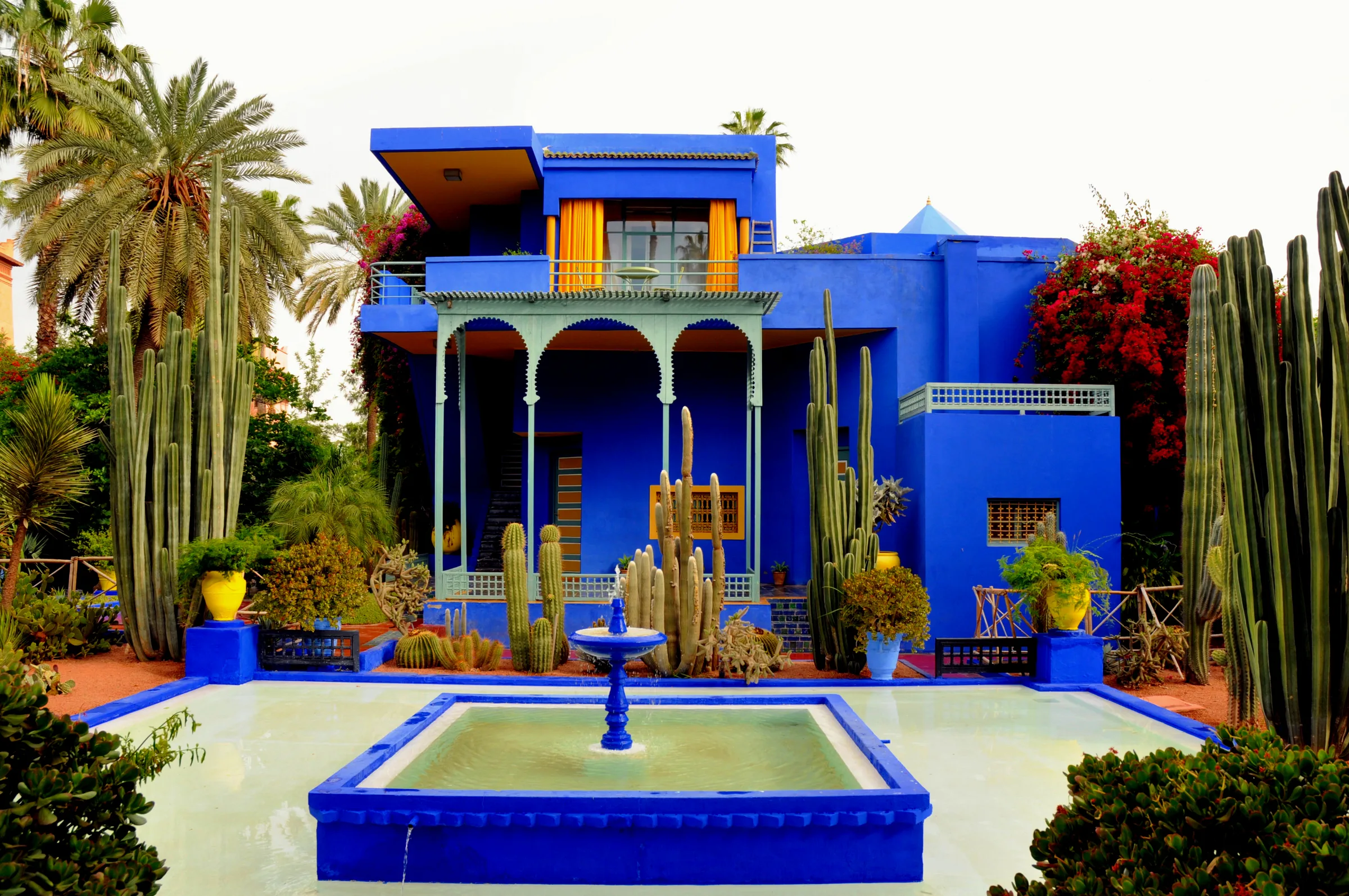
The Jardin Majorelle is Marrakech's most photographed garden — a compact botanical world of cacti, bamboo and palms wrapped around a studio painted in the intense cobalt now known as Majorelle Blue.
10 experiences
Jardin Majorelle: what to know
The Jardin Majorelle is Marrakech's most photographed garden — a compact botanical world of cacti, bamboo and palms wrapped around a studio painted in the intense cobalt now known as Majorelle Blue. Begun in the 1920s and 1930s by French painter Jacques Majorelle and later bought and restored by Yves Saint Laurent and Pierre Berge, it sits in the Gueliz district a short ride from the medina. This guide covers what to see, when to go, how the timed tickets and the adjoining museums work, and how to fold the visit into a half-day in Gueliz. Prices and opening hours change, so always check the official site before you travel.
- 01
The cobalt-blue villa (Villa Oasis studio)
Highlight
The garden's signature sight is the artist's studio, painted in the deep cobalt Jacques Majorelle trademarked as 'Majorelle Blue', set off by acid-yellow and terracotta-toned accents. The colour is most vivid in soft morning or late-afternoon light. The villa itself houses the Berber Museum, but the building's blue exterior, pots and pergolas are the image most visitors come for.
- 02
The botanical plant collection
Garden
Majorelle laid out the grounds as a living painting, and the planting is the real substance behind the colour. Expect a large collection of cacti and succulents, towering bamboo, date and other palms, banana plants, bougainvillea and exotic species the painter gathered from several continents. Paths wind between raised beds, shaded corners and bright open terraces, so allow time to wander rather than rushing straight to the blue wall.
- 03
Water features and Art Deco details
Garden
Channels, a central lily pond and fountains run through the garden in the Islamic tradition of water as a cooling, calming element, while the pavilions, pergolas and pots carry Majorelle's Art Deco eye for colour and geometry. These quieter corners are good places to pause away from the busiest selfie spots near the studio.
- 04
The Yves Saint Laurent connection
Story
Yves Saint Laurent and Pierre Berge discovered the garden in the mid-1960s and bought it in the 1980s, saving it from a planned development and restoring it. Saint Laurent drew on its colours in his work and considered it a refuge; after his death in 2008 his ashes were scattered here, and a memorial within the grounds remembers him. This story is a large part of why the garden is so visited today.
- 05
Berber Museum (separate ticket)
Museum
Inside Majorelle's former studio, the Berber Museum displays jewellery, textiles, weapons, carpets and craft objects from across Morocco's Amazigh (Berber) regions, beautifully lit in dim galleries. It usually requires its own admission on top of the garden ticket, so check current pricing and whether photography is allowed inside.
- 06
Musee Yves Saint Laurent Marrakech (mYSLm)
Museum
A short walk from the garden, the purpose-built Musee Yves Saint Laurent is a separate institution with its own ticket. It shows a permanent collection drawn from the designer's Paris archives alongside temporary exhibitions, a research library and a cafe. Combined garden-plus-museum tickets are sometimes offered; check the official sites, as this is the easiest way to make a coherent half-day.
- 07
Beating the crowds: go early or book timed tickets
Tip
The garden is small and extremely popular, and queues build quickly. The calmest visits are usually at opening time or late in the afternoon. Tickets are often timed and can sell out, so booking ahead online for a specific slot is wise in high season — and always confirm current hours and prices on the official website, as both change seasonally.
- 08
Photography without the crowds
Tip
This is one of Morocco's most Instagrammed spots, so the famous blue staircase and yellow pots draw constant queues for photos. Early morning light is softest on the cobalt walls and the crowds are thinnest then. Be patient and considerate of others waiting for the same shot; tripods and professional shoots are typically restricted, so check the rules if you plan serious photography.
- 09
How long to allow
Planning
The garden itself is compact — many visitors spend around an hour to ninety minutes wandering and photographing. Add roughly thirty to forty-five minutes for the Berber Museum, and a further hour or more if you continue to the YSL museum nearby. Budget a relaxed half-day if you want to see the garden and both museums without rushing.
- 10
Combining with the Gueliz district
Planning
Majorelle sits in Gueliz, Marrakech's modern downtown north-west of the medina and an easy petit-taxi ride away. After the garden and museums, Gueliz rewards a stroll: tree-lined avenues, cafes, contemporary art galleries, design shops and restaurants make a pleasant contrast to the souks. It is a natural place to combine a morning at Majorelle with lunch before heading back to the old city.
Jardin Majorelle: FAQ
Do I need to book Jardin Majorelle tickets in advance?
Is the Berber Museum or the YSL museum included in the garden ticket?
What is the best time of day to visit to avoid the crowds?
How long should I spend at the Jardin Majorelle?
More things to do in Morocco
Plan a private Marrakech trip
We build a private, guided plan around the experiences you care about, with a driver, hand-picked riads and a written quote within 24 hours.