Things to do · city by city
The best things to do in Morocco.
City-by-city guides to the experiences worth your time — medinas, gardens, deserts, coast and craft. Curated by a local atelier, and bookable as a private, guided trip.
Marrakech
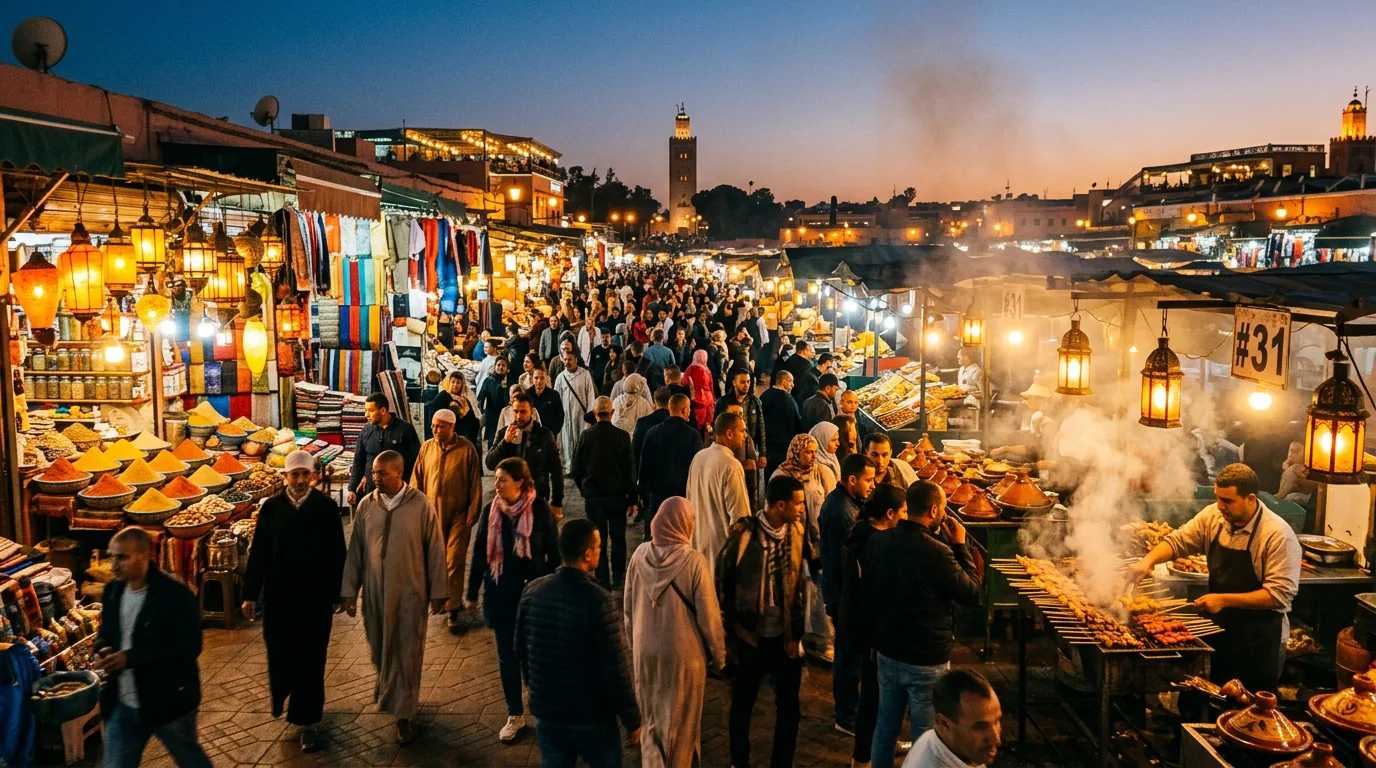
Marrakech rewards travellers who slow down: a walled medina of souks and palaces opens onto serene gardens, rooftop cafes and the snow-capped Atlas beyond. From sunrise calls to prayer to the nightly theatre of Jemaa el-Fna, here are the experiences worth your time.
12 things to do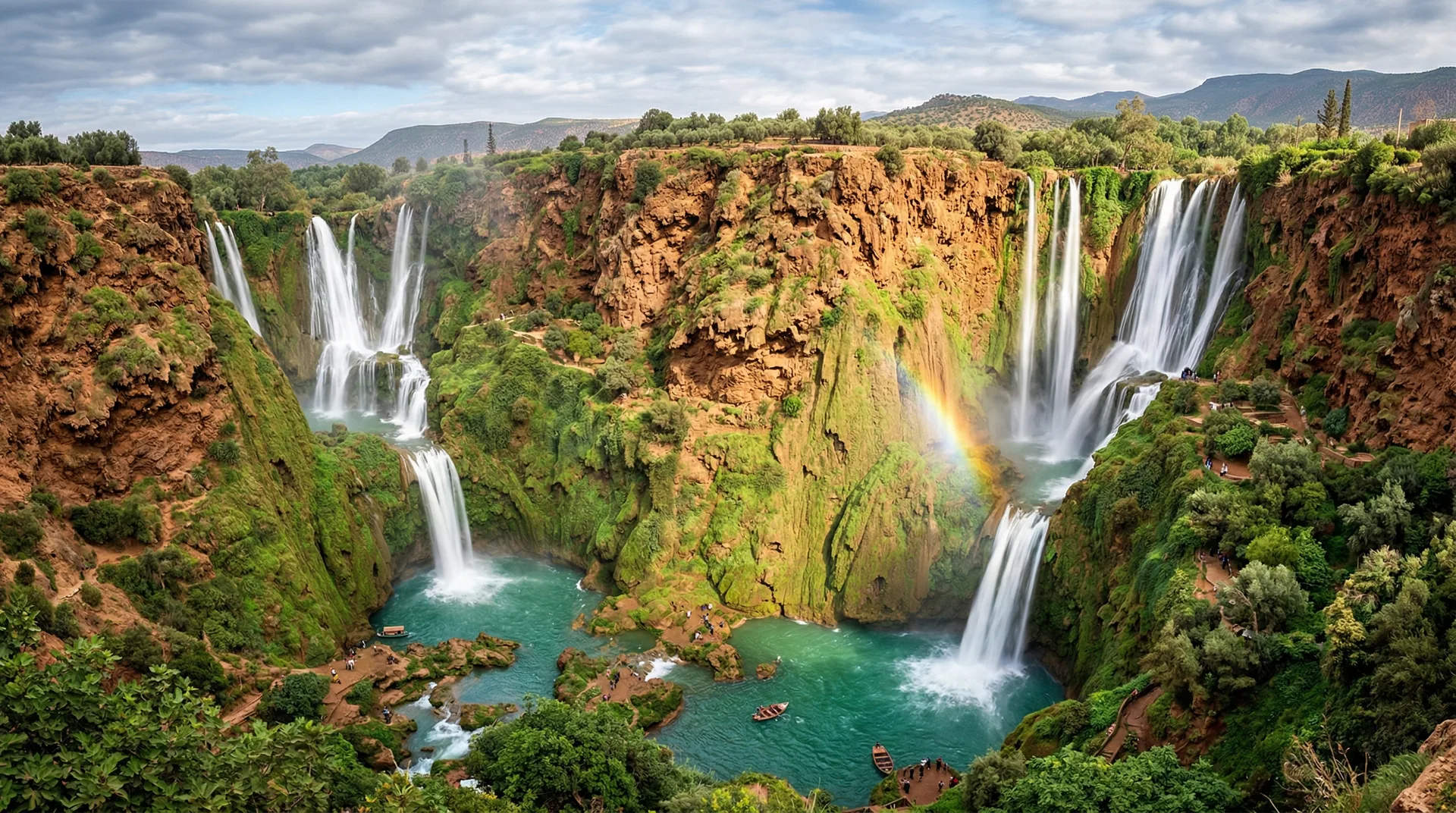
Marrakech
Marrakech sits within reach of mountains, desert and coast, so the best day trips swap the medina's heat for cooler air, waterfalls or the Atlantic. Most run as comfortable full days by private car; a few of the longer ones are better as an overnight.
10 things to do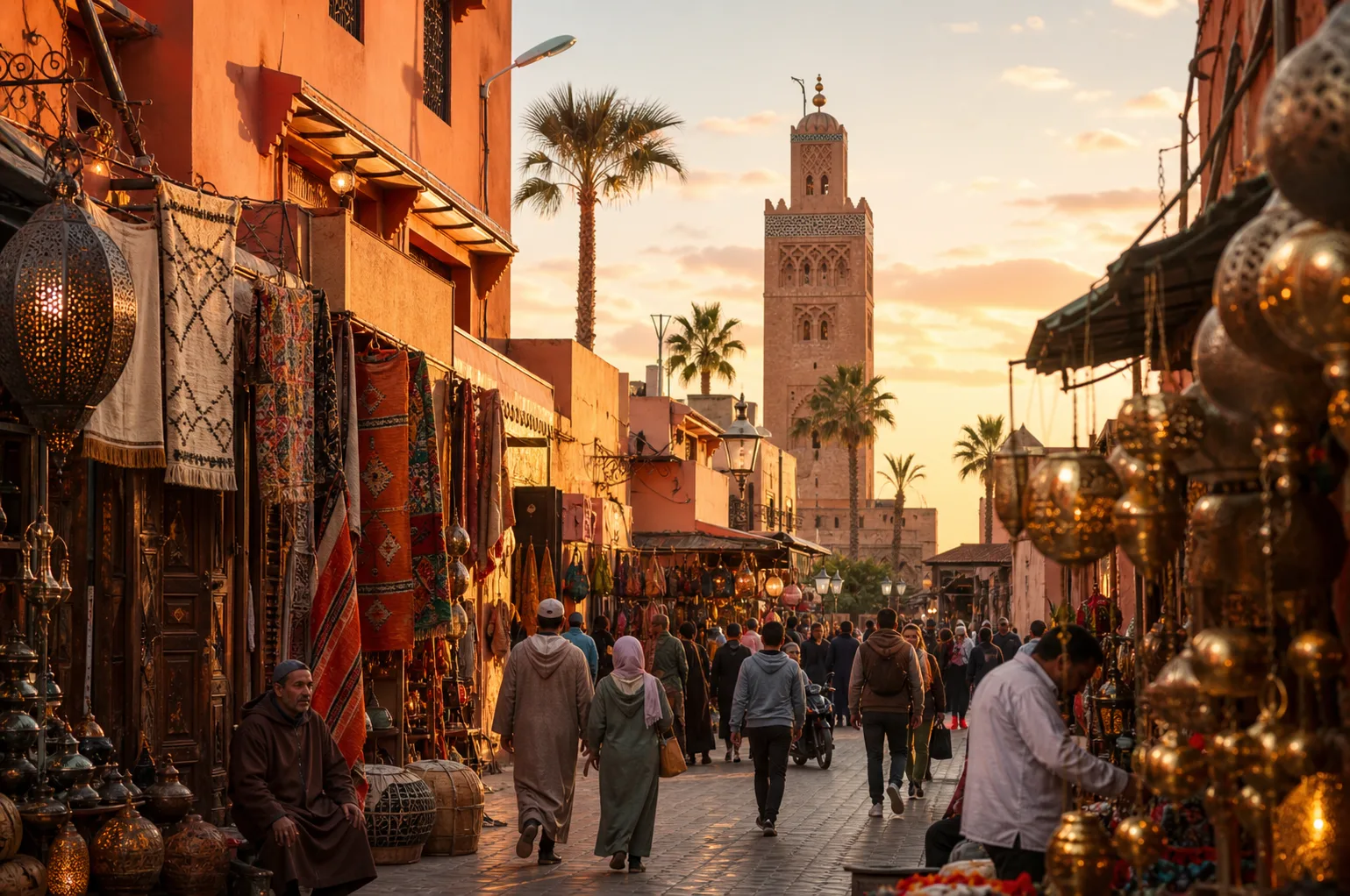
Marrakech
Three days is enough to see the best of Marrakech without rushing — one day for the medina and its monuments, one for gardens and modern Gueliz, and one for a trip into the Atlas foothills or the Agafay. This is how we pace it for first-time visitors.
10 things to do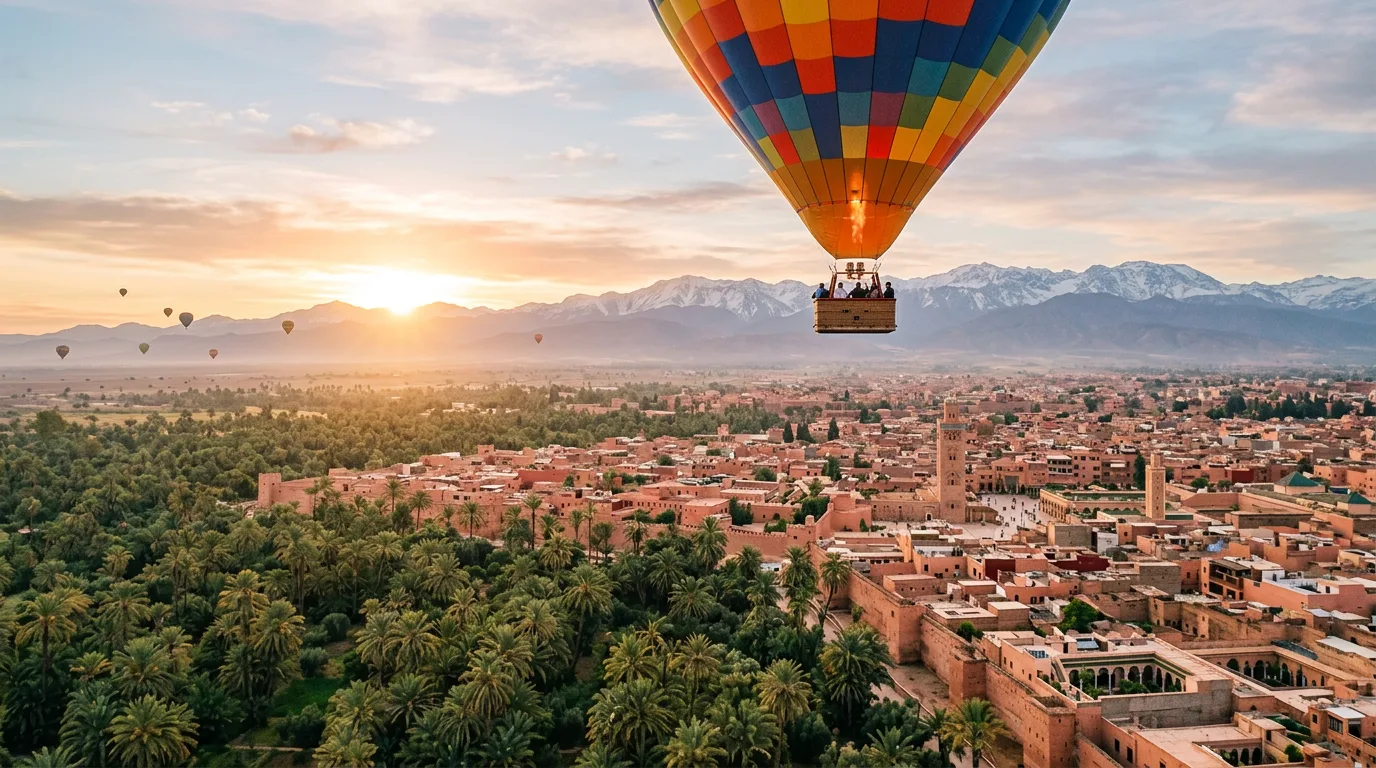
Marrakech
Marrakech is more child-friendly than it first appears: open gardens to run in, calèche rides, animals and acrobats on the big square, and easy escapes to the Atlas foothills. Pace the medina around the heat and a midday pool, and the city becomes a genuine family adventure. Here are the experiences that work best with children.
10 things to do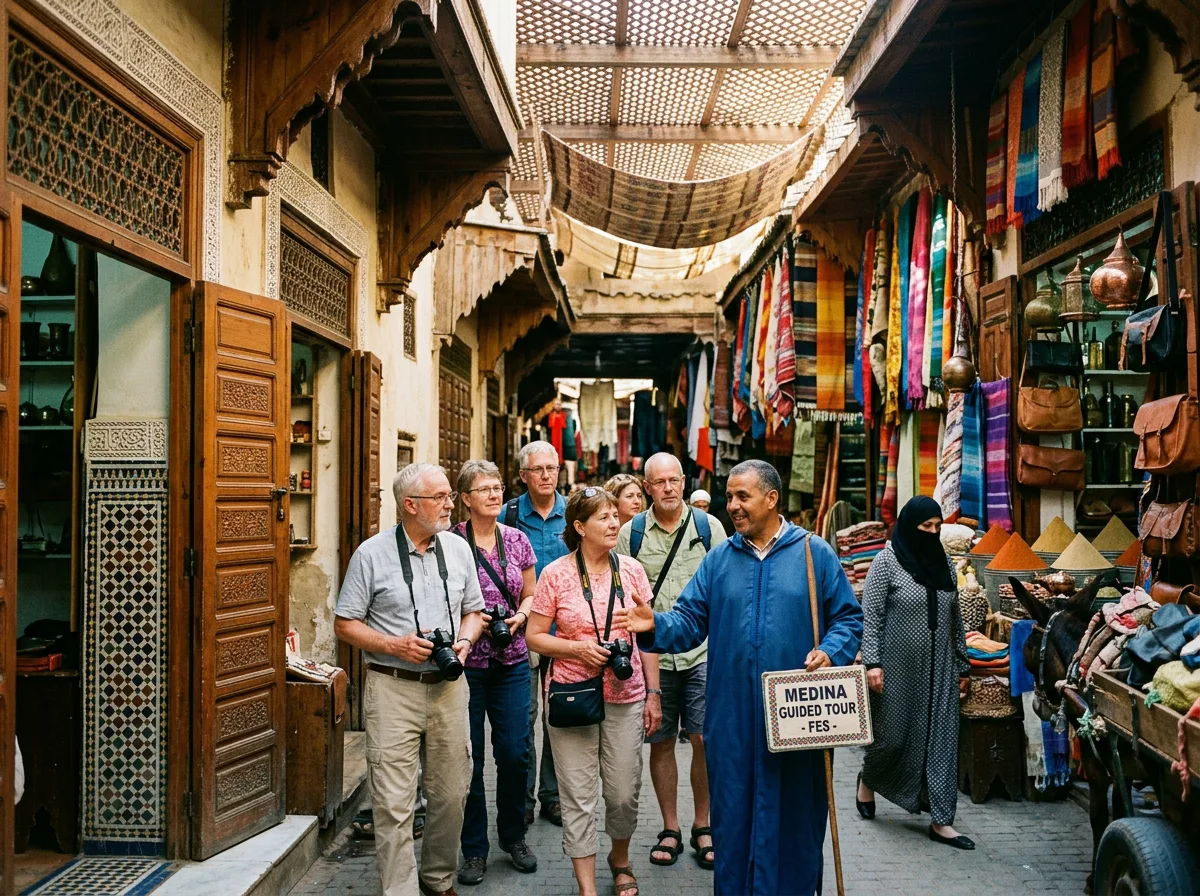
Marrakech
One day in Marrakech is tight but workable if you stay inside the medina, where the headline sights cluster within walking distance. This itinerary moves from a cool morning at Ben Youssef and the souks, through the southern palaces, to mint tea on a rooftop and the nightly theatre of Jemaa el-Fna. Everything below is walkable and real.
10 things to do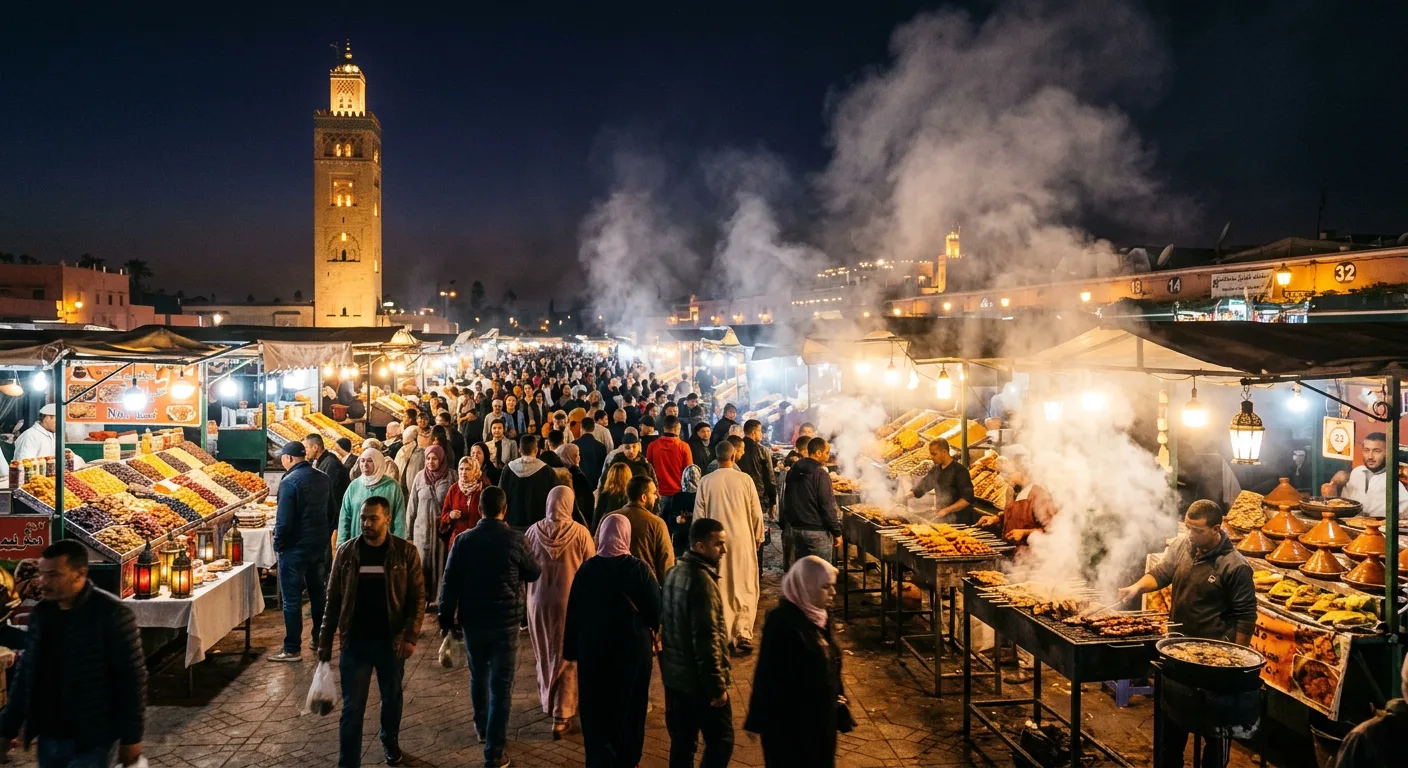
Marrakech
Marrakech changes character after sunset. The medina's energy peaks as Jemaa el-Fna fills with food stalls and storytellers, while across town in Gueliz the rooftop lounges and dinner-shows come alive. Morocco is a Muslim country, so alcohol is served mainly in licensed venues — hotels, restaurants, riads and bars — rather than openly in the street or the old souks. Here is how to spend an evening in the city, from free street theatre to a late drink with a view.
10 things to do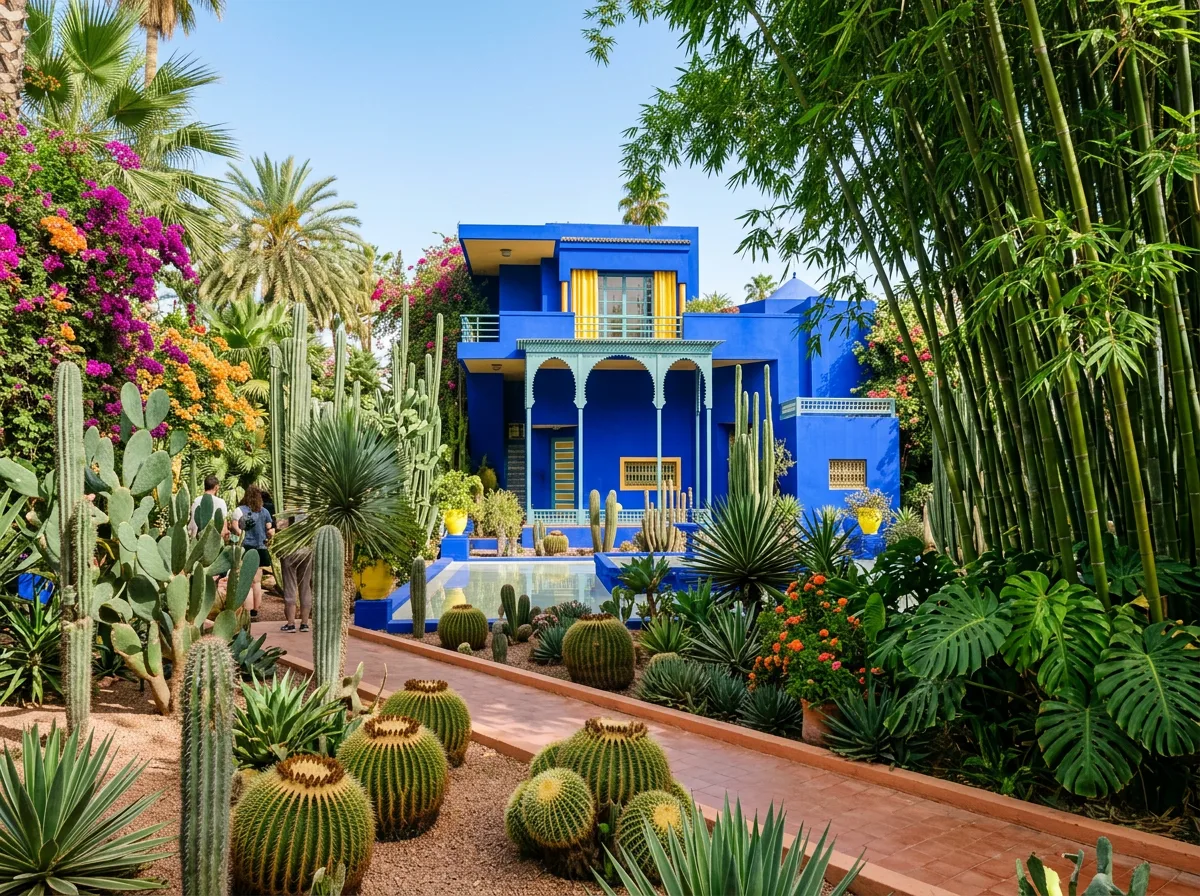
Marrakech
For all its heat and noise, Marrakech is a city of gardens — a tradition that runs from the vast Almohad-era olive groves and royal orchards to the painter's studio garden that Yves Saint Laurent later saved. They offer shade, birdsong and a slower rhythm a few minutes from the souks. Here are the gardens worth your time, from cobalt-blue Majorelle to a hidden medina riad and a contemporary art garden out beyond the walls.
10 things to do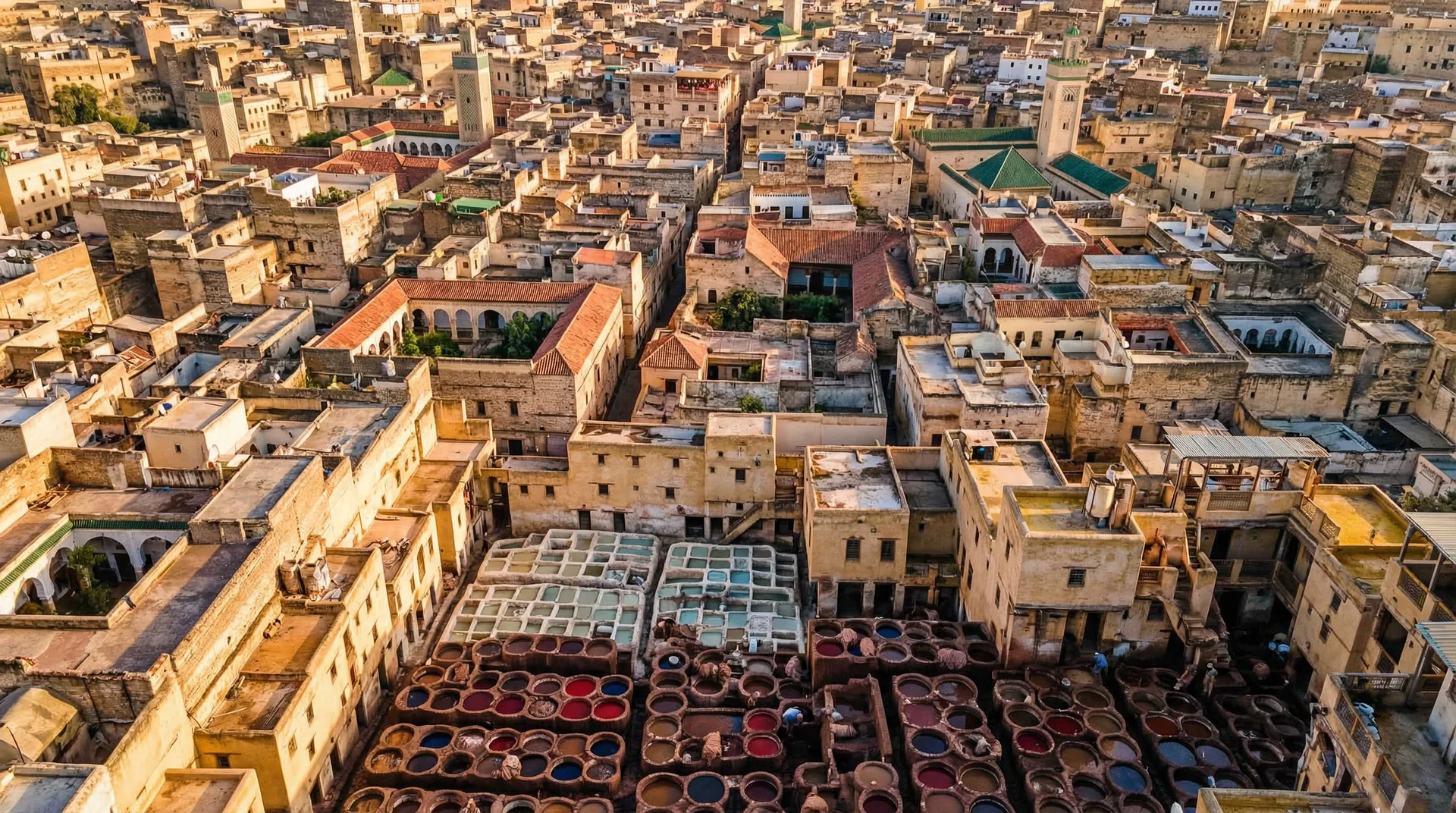
Fes
Morocco's spiritual and craft capital rewards slow exploration. From the maze of Fes el-Bali to working tanneries, Merinid medersas and ancient Roman ruins nearby, here are twelve experiences worth your time.
12 things to do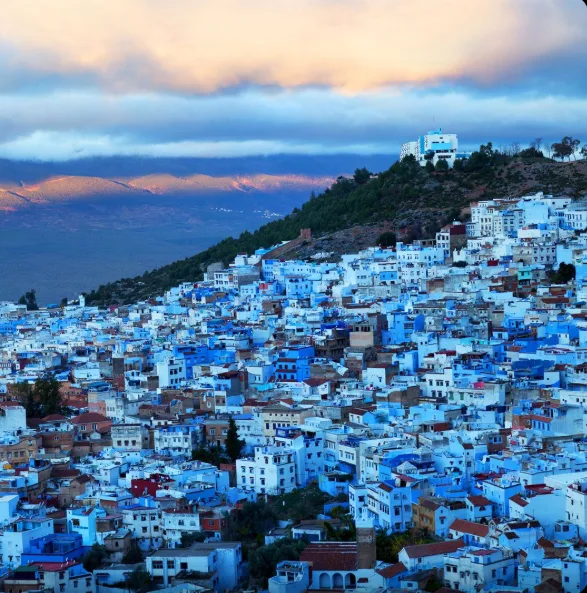
Chefchaouen
Tucked into Morocco's Rif Mountains, Chefchaouen is the famous blue-washed town where lime-painted lanes, mountain waterfalls and Andalusian culture meet. Here are the best things to do in the Blue City.
12 things to do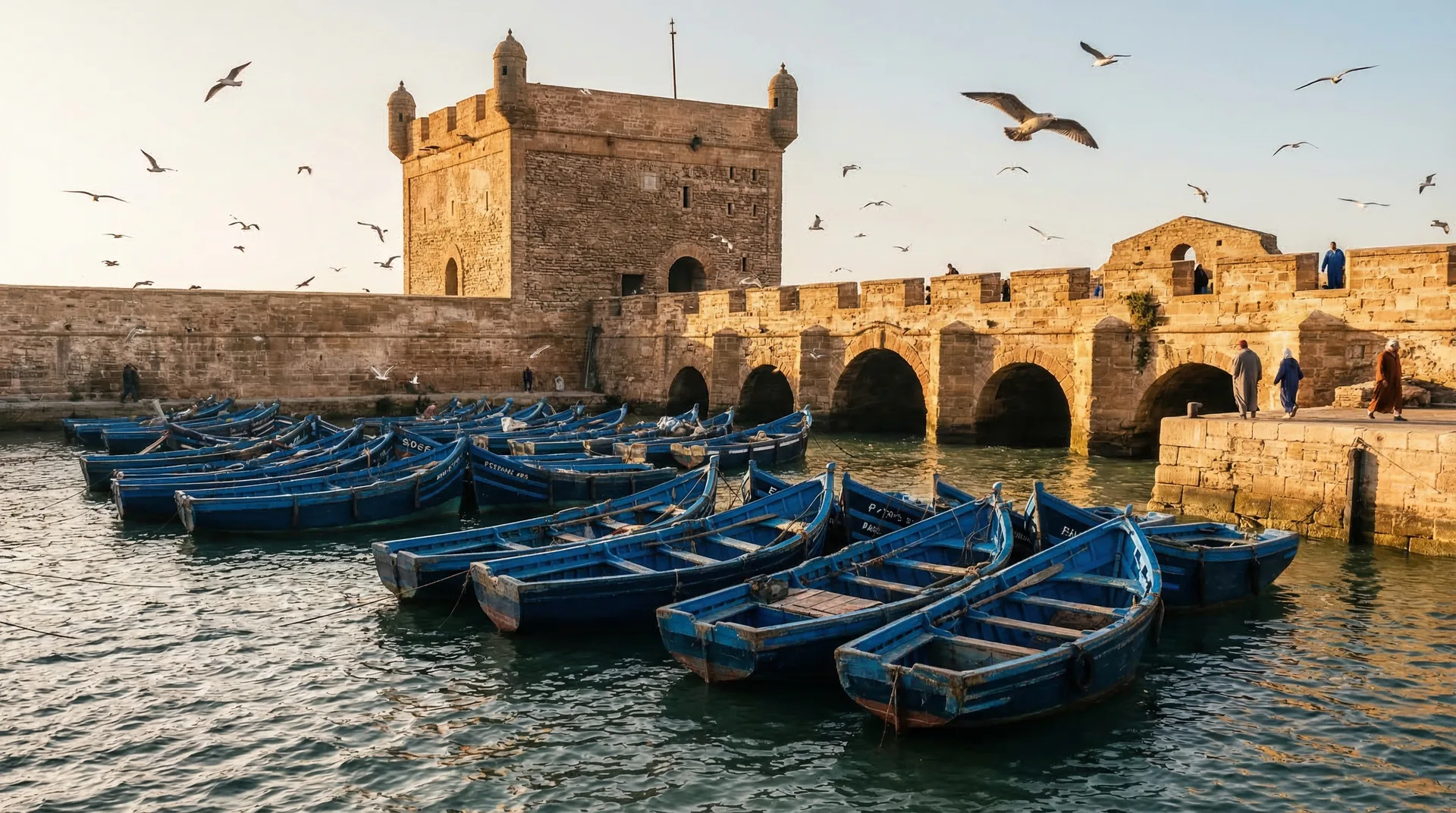
Essaouira
Essaouira pairs a UNESCO-listed walled medina with windswept Atlantic beaches, a working fishing port and a deep Gnaoua music heritage. Here are twelve experiences that capture the salt-air spirit of Morocco's coolest coastal town.
12 things to do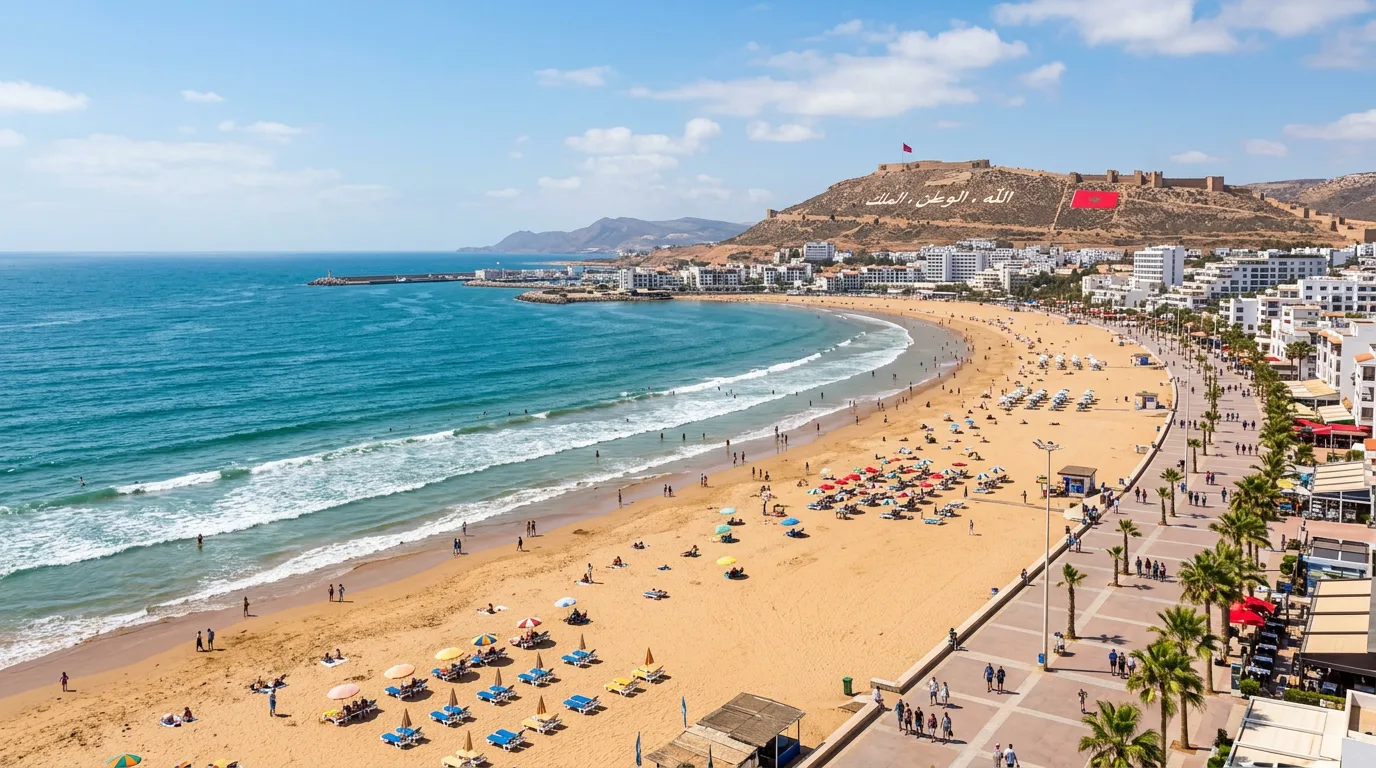
Agadir
Rebuilt after the 1960 earthquake, Agadir pairs a six-kilometre Atlantic beach with world-class surf, a hilltop kasbah, busy souks and easy access to Souss-Massa's wild coast and Paradise Valley.
12 things to do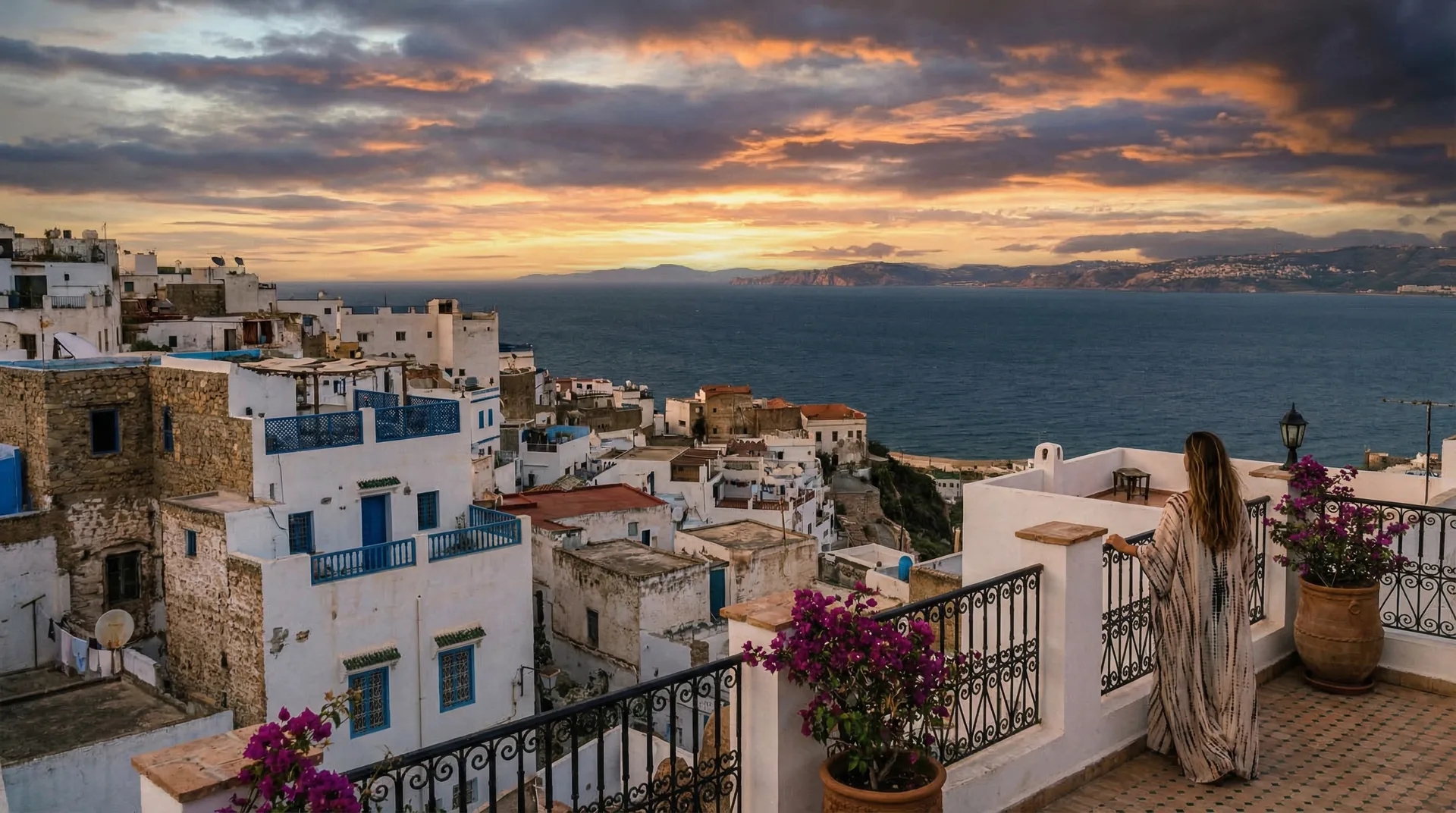
Tangier
Where the Mediterranean meets the Atlantic, Tangier blends Moroccan, Andalusian and international history. From its hilltop kasbah and tangled medina to dramatic Atlantic capes, here are twelve experiences worth your time.
12 things to do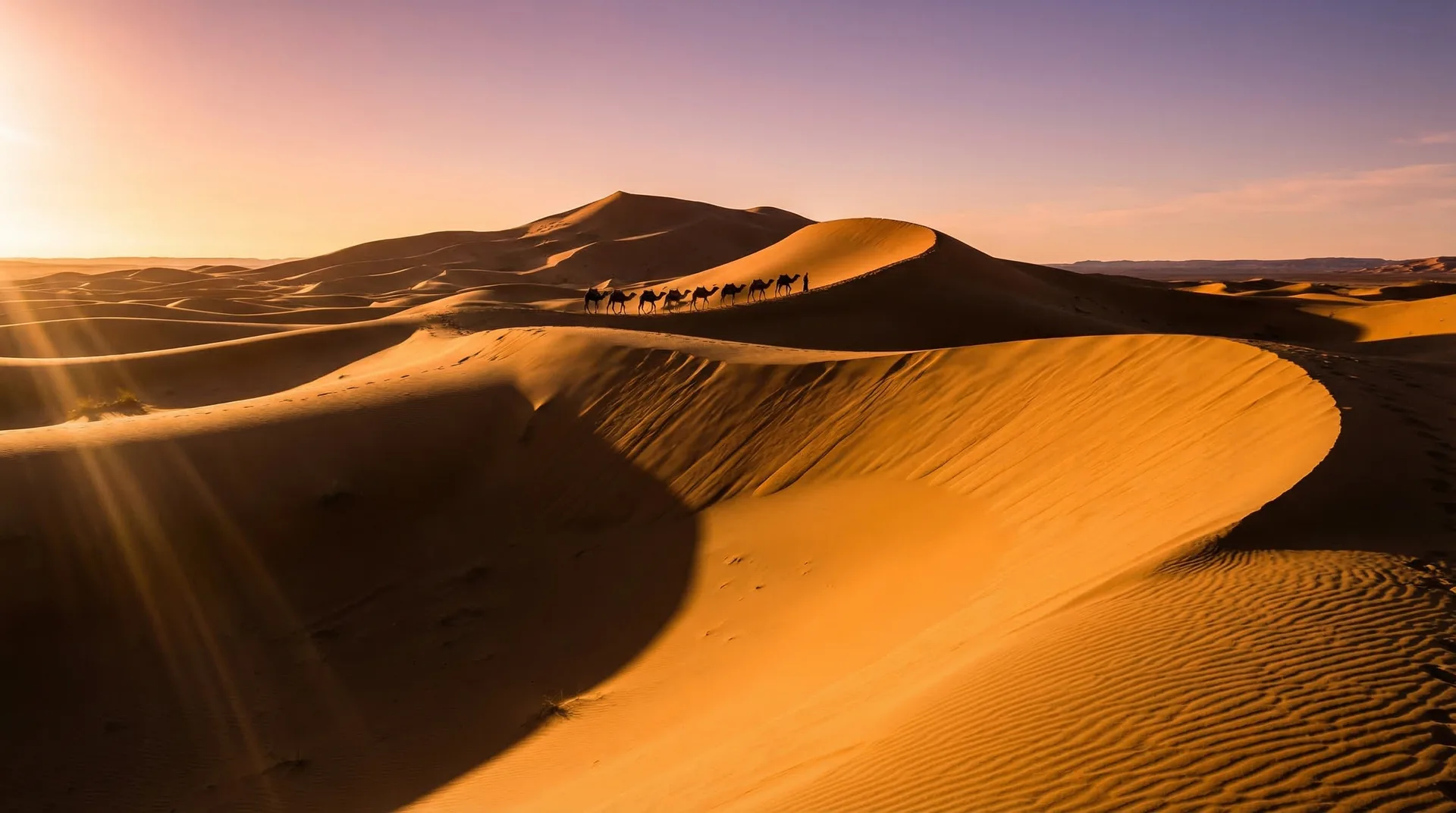
Merzouga
Merzouga is a small Saharan village beside Erg Chebbi, a sea of wind-sculpted dunes rising up to around 150 metres. It is Morocco's classic desert base, and here are twelve experiences worth your time.
12 things to do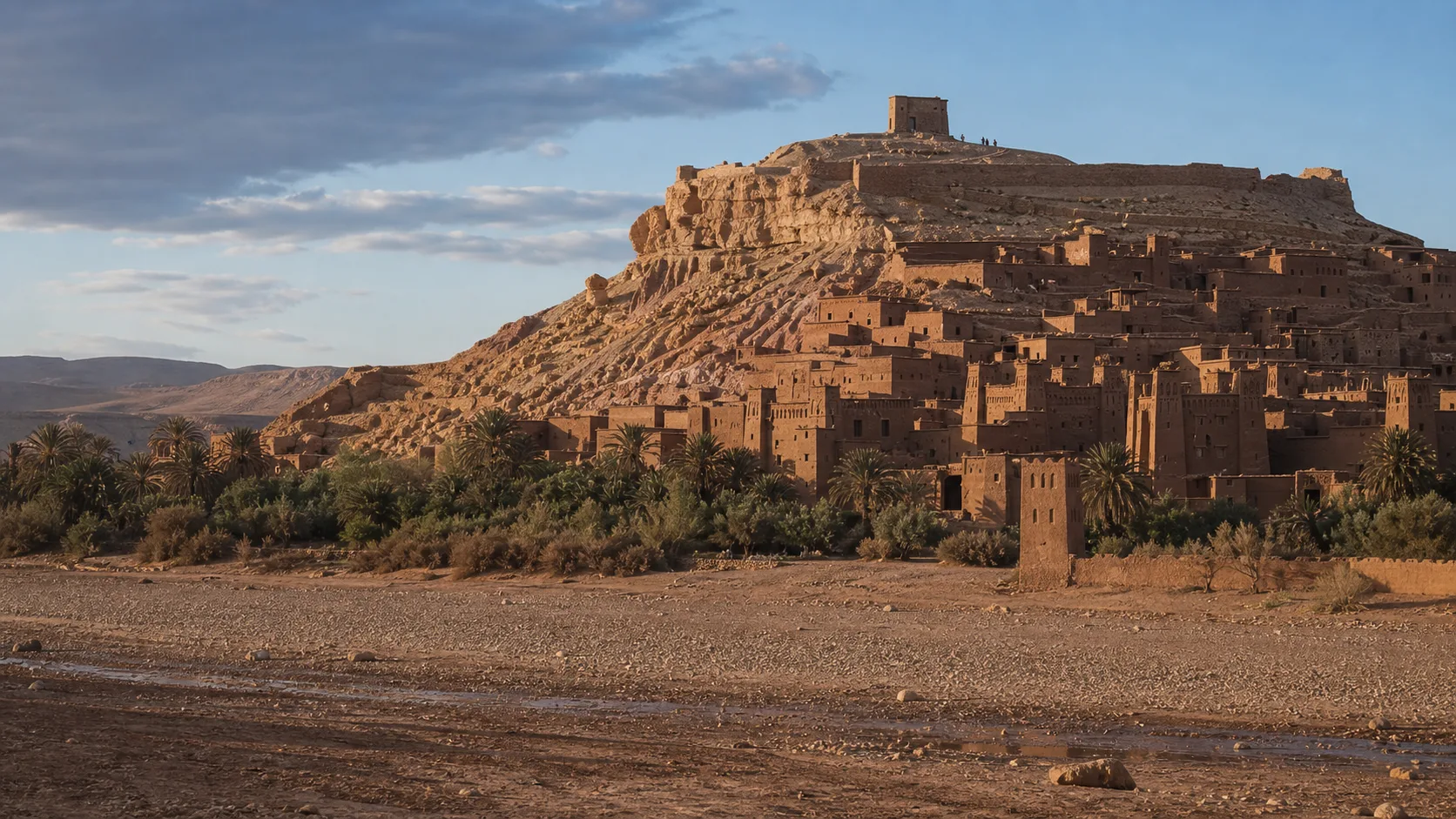
Ouarzazate
Nicknamed the 'Door of the Desert' and Morocco's Hollywood, Ouarzazate guards mud-brick kasbahs, vast film studios and palm-fringed oases at the edge of the Sahara. Here are twelve experiences worth your time.
12 things to do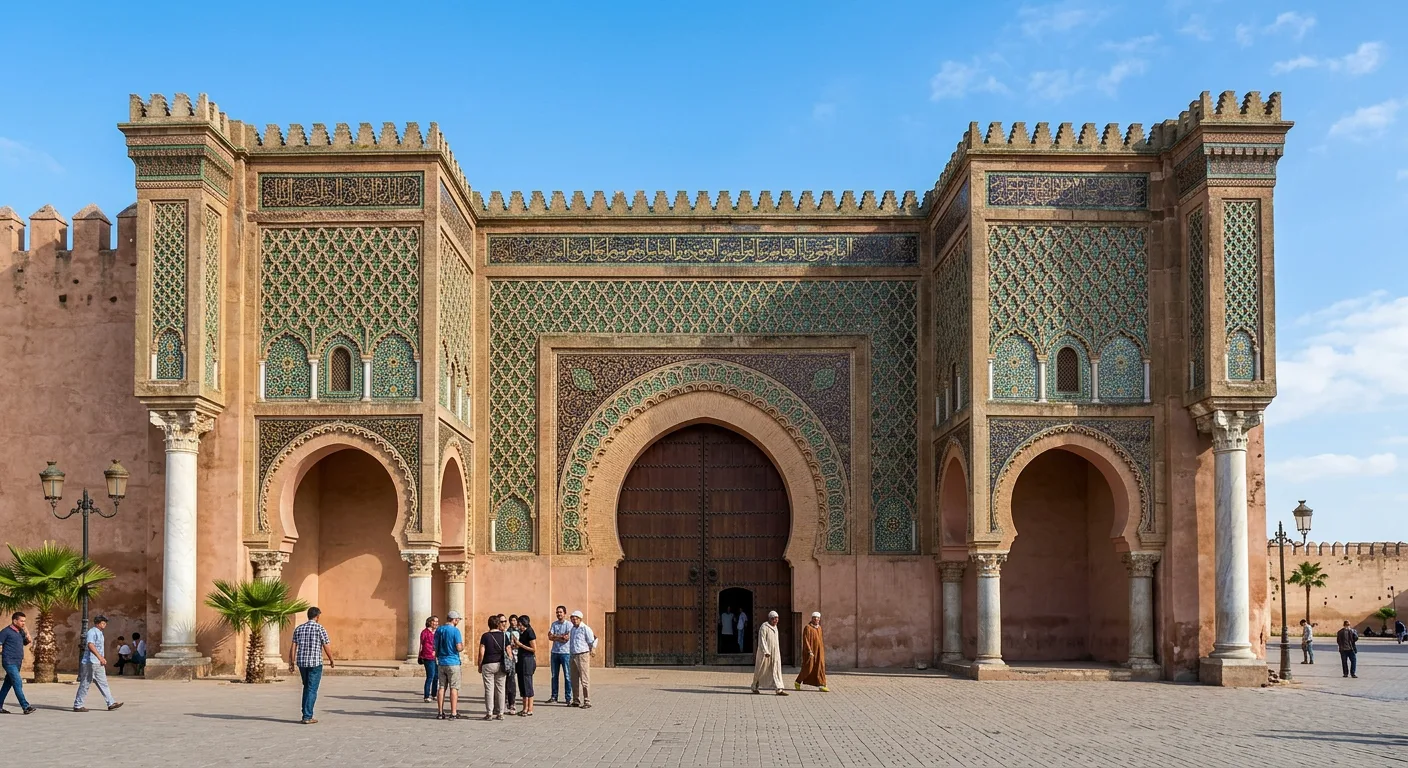
Meknes
Meknes, the imperial city of Sultan Moulay Ismail, blends monumental gates, vast granaries and a relaxed medina with easy day trips to Volubilis. Here are twelve experiences worth your time.
12 things to do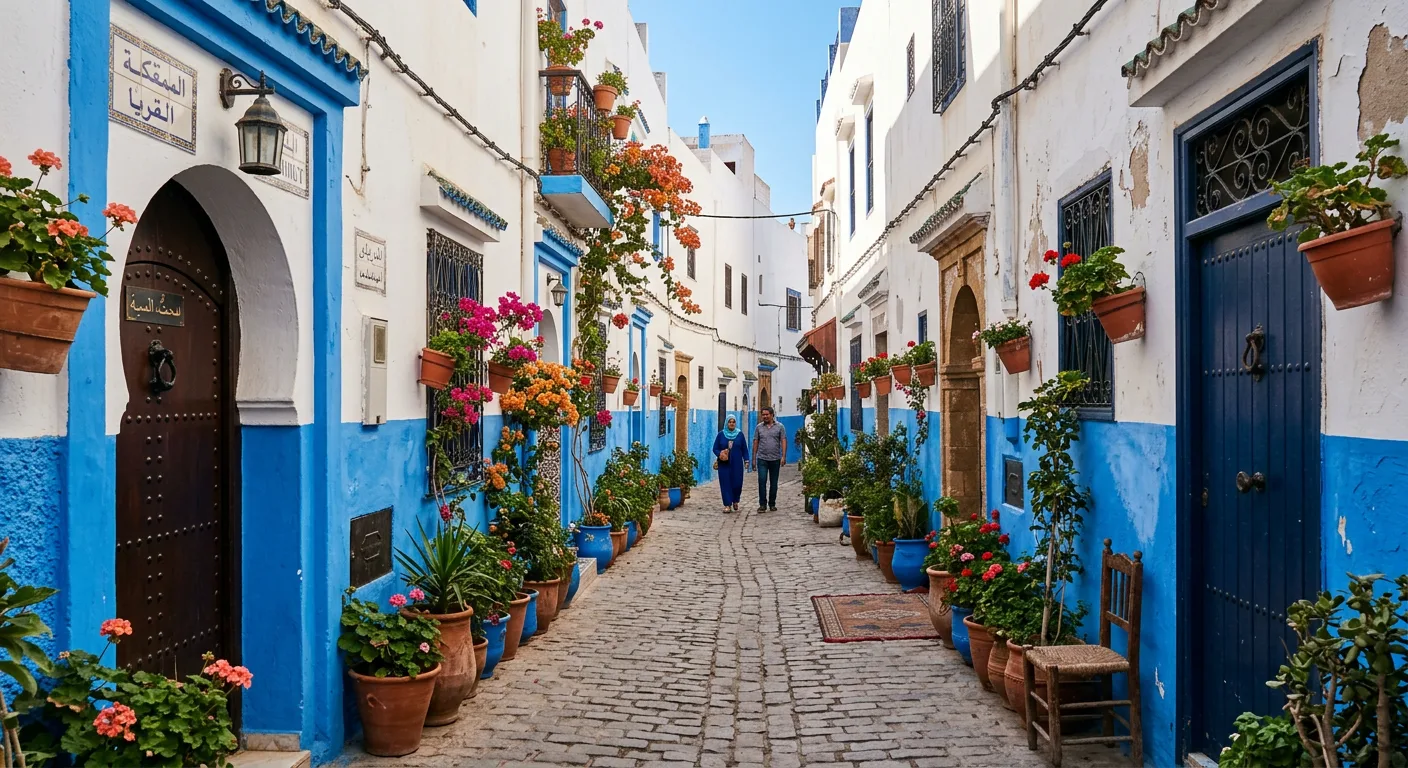
Rabat
Morocco's capital pairs Atlantic light with monumental history, from a riverside kasbah to Roman-and-Merinid ruins. Here are twelve experiences worth your time in calm, walkable Rabat.
12 things to do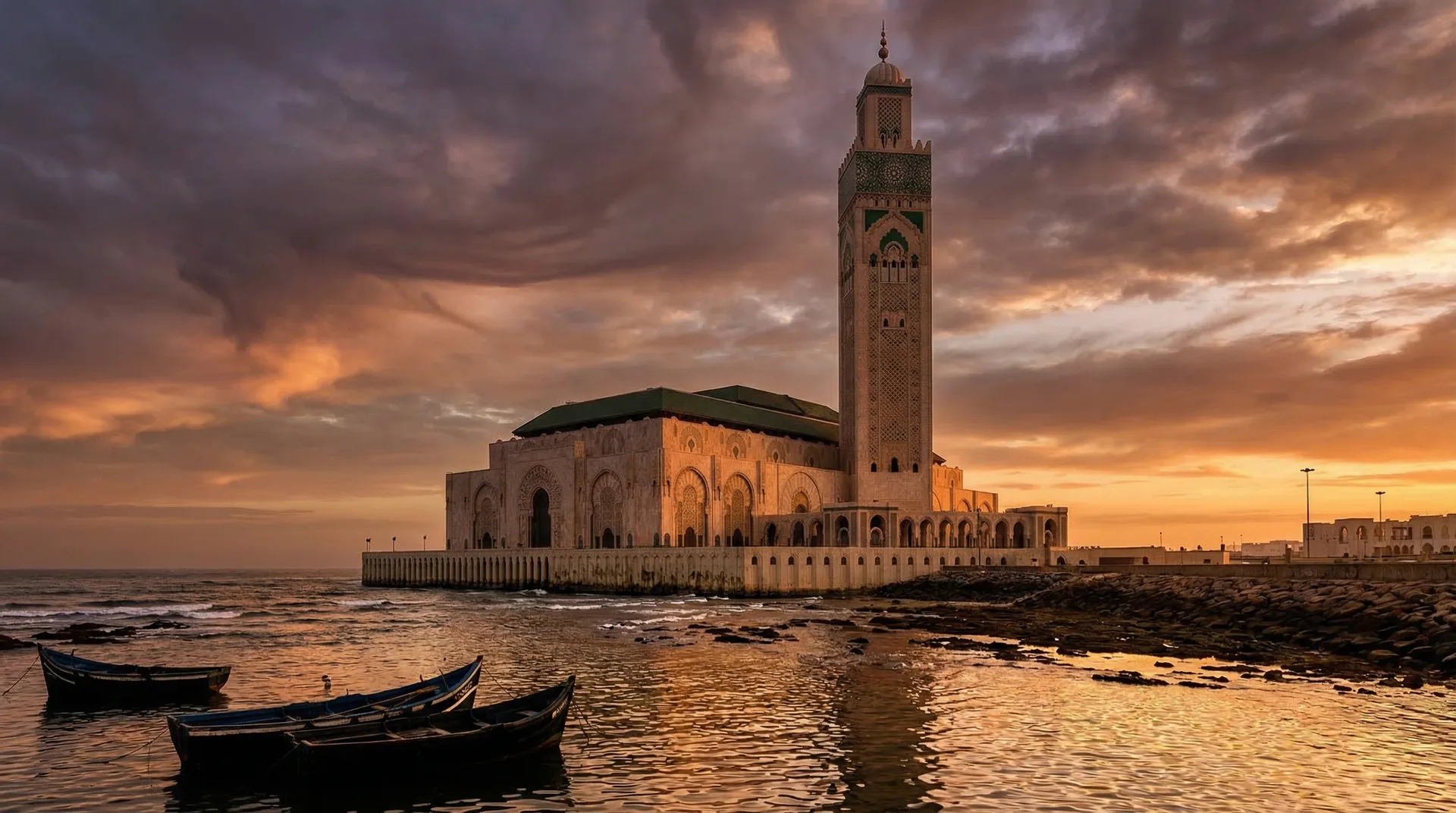
Casablanca
Morocco's largest city and economic heart pairs Art Deco boulevards with a vast oceanfront mosque. From the Atlantic Corniche to the old medina, here are twelve experiences worth your time.
12 things to doAsilah
Asilah is a whitewashed Atlantic town on Morocco's north coast, famous for its mural-covered medina, Portuguese ramparts and breezy beaches. Here are twelve experiences that capture its artistic, seafaring spirit.
12 things to do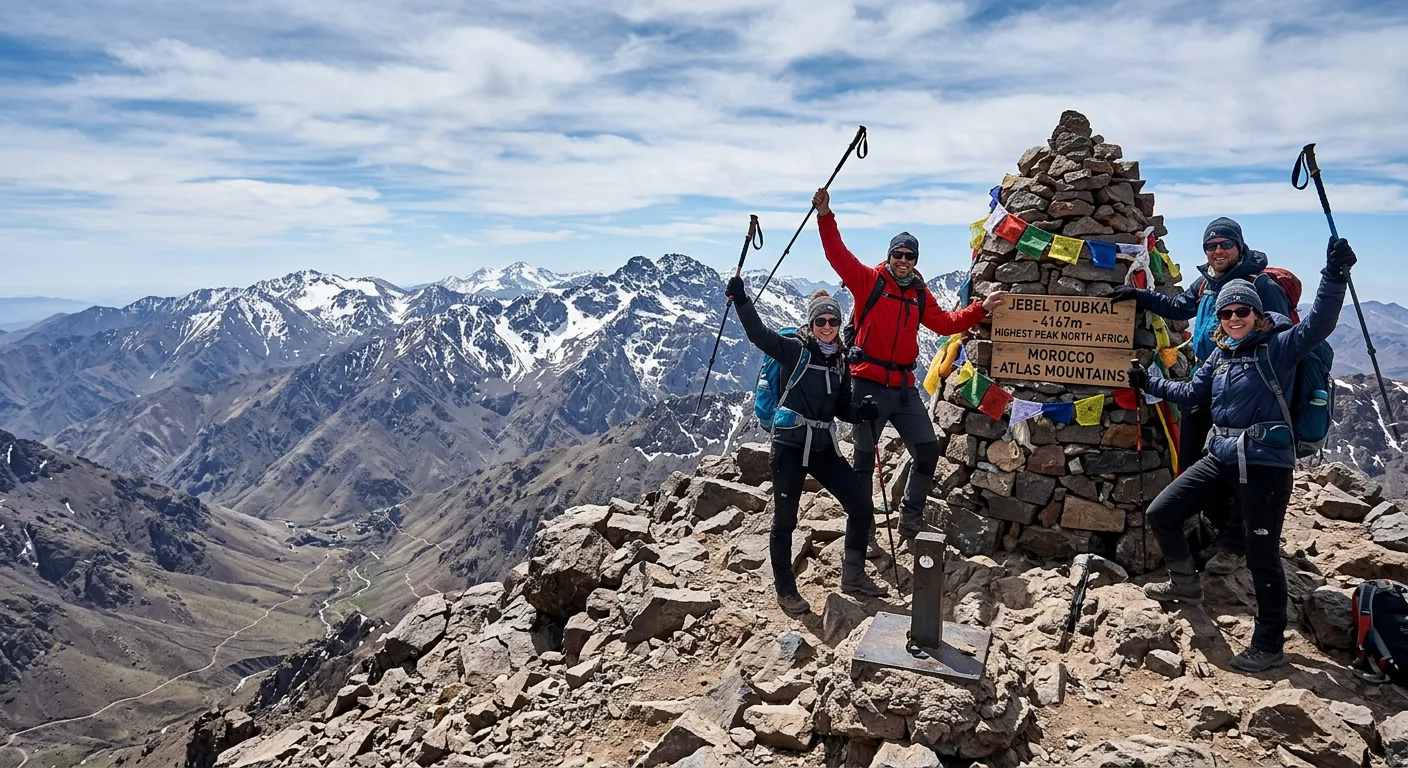
Imlil
At 1,740 metres in the High Atlas, Imlil is Morocco's gateway to Mount Toubkal. This Berber village trades souk crowds for walnut groves, mule paths and snow-tipped peaks. Here are the experiences worth lacing your boots for.
12 things to do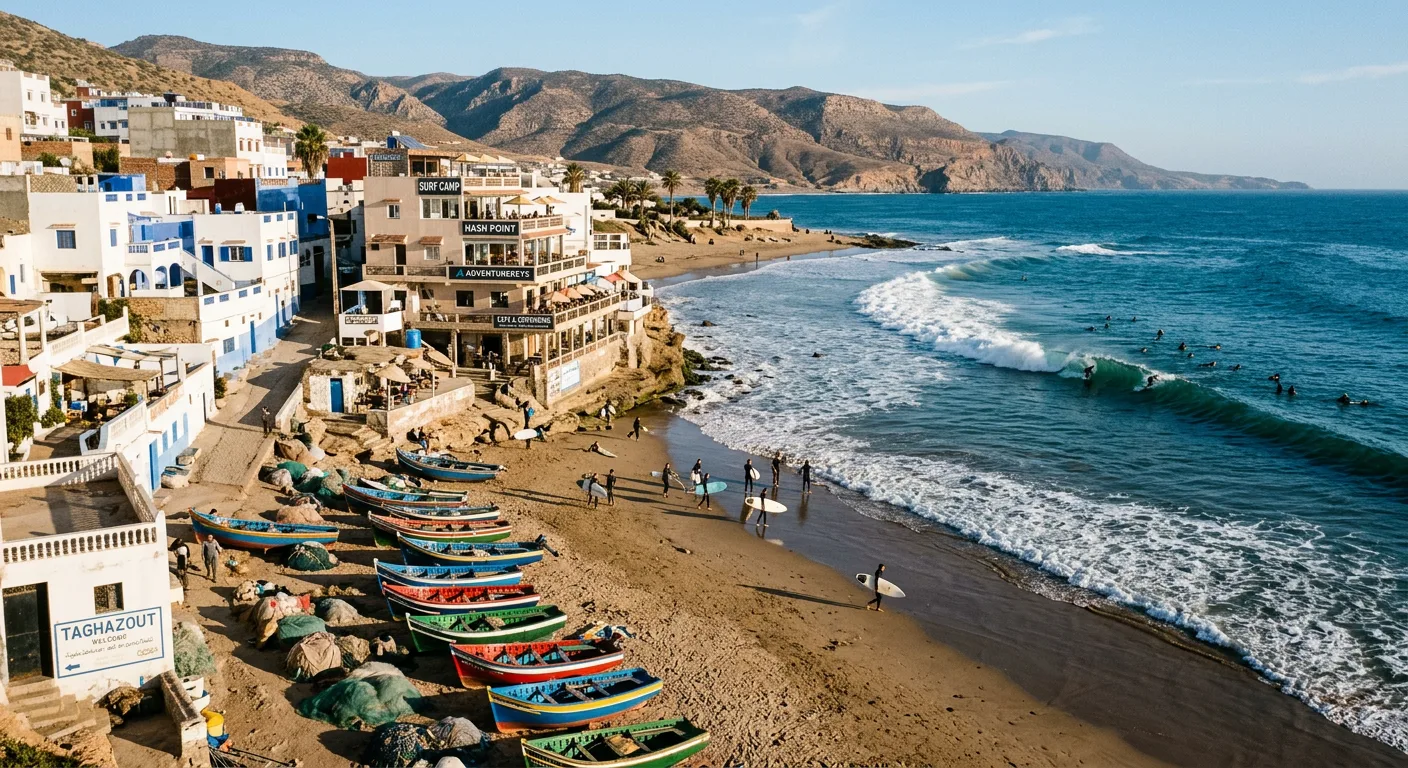
Taghazout
Once a sleepy fishing village north of Agadir, Taghazout has become Morocco's surf capital. Reliable Atlantic point breaks, laid-back yoga retreats, argan groves and golden beaches make it a relaxed base on the Souss-Massa coast.
13 things to do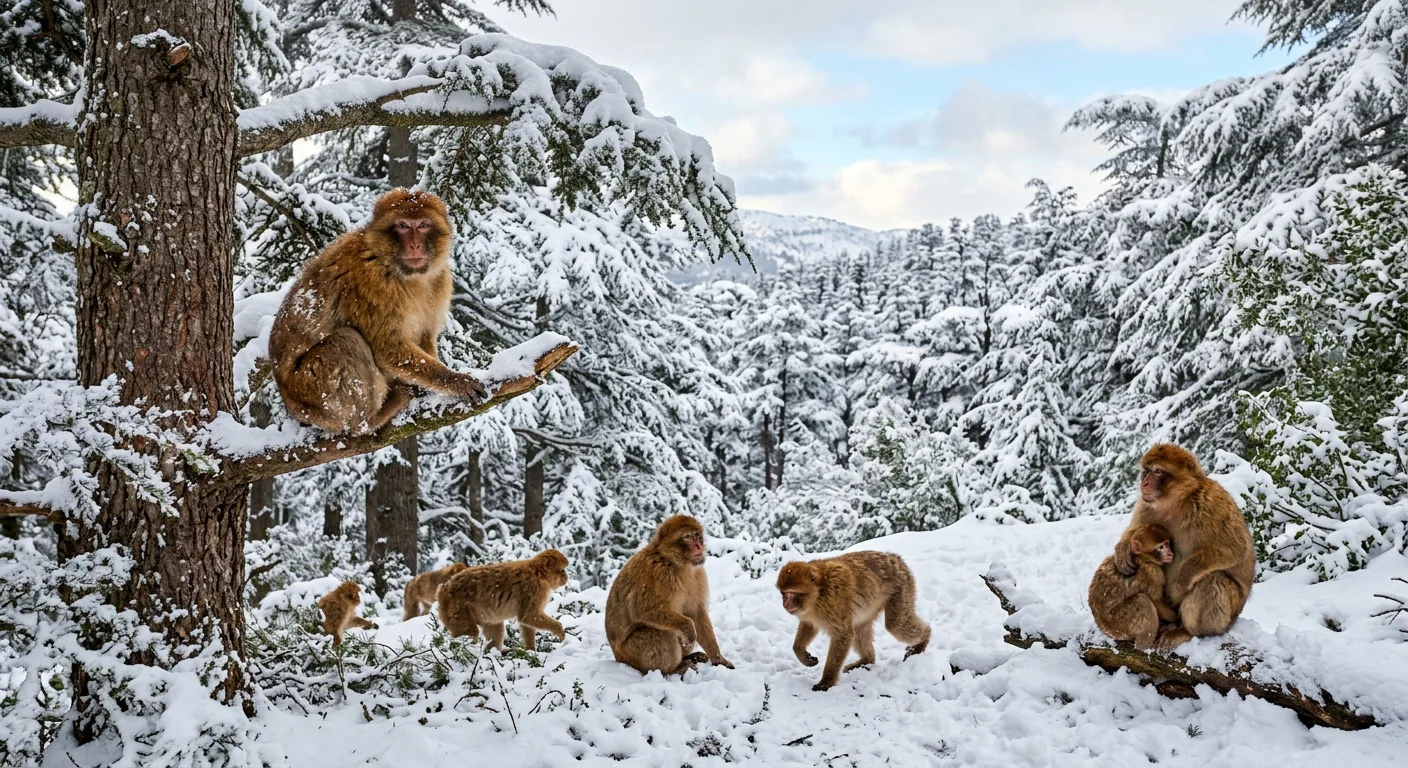
Ifrane
Set high in Morocco's Middle Atlas, Ifrane is an alpine town of red-roofed chalets, cedar forests and clear mountain lakes. Built in the 1930s, it offers cool air, winter snow and easy access to a national park rich in wildlife.
12 things to doOuzoud
Tucked into the Middle Atlas near Azilal, the Cascades d'Ouzoud are Morocco's tallest waterfalls, tumbling some 110 metres in red-rock terraces. Here are the experiences worth your time around the falls.
12 things to do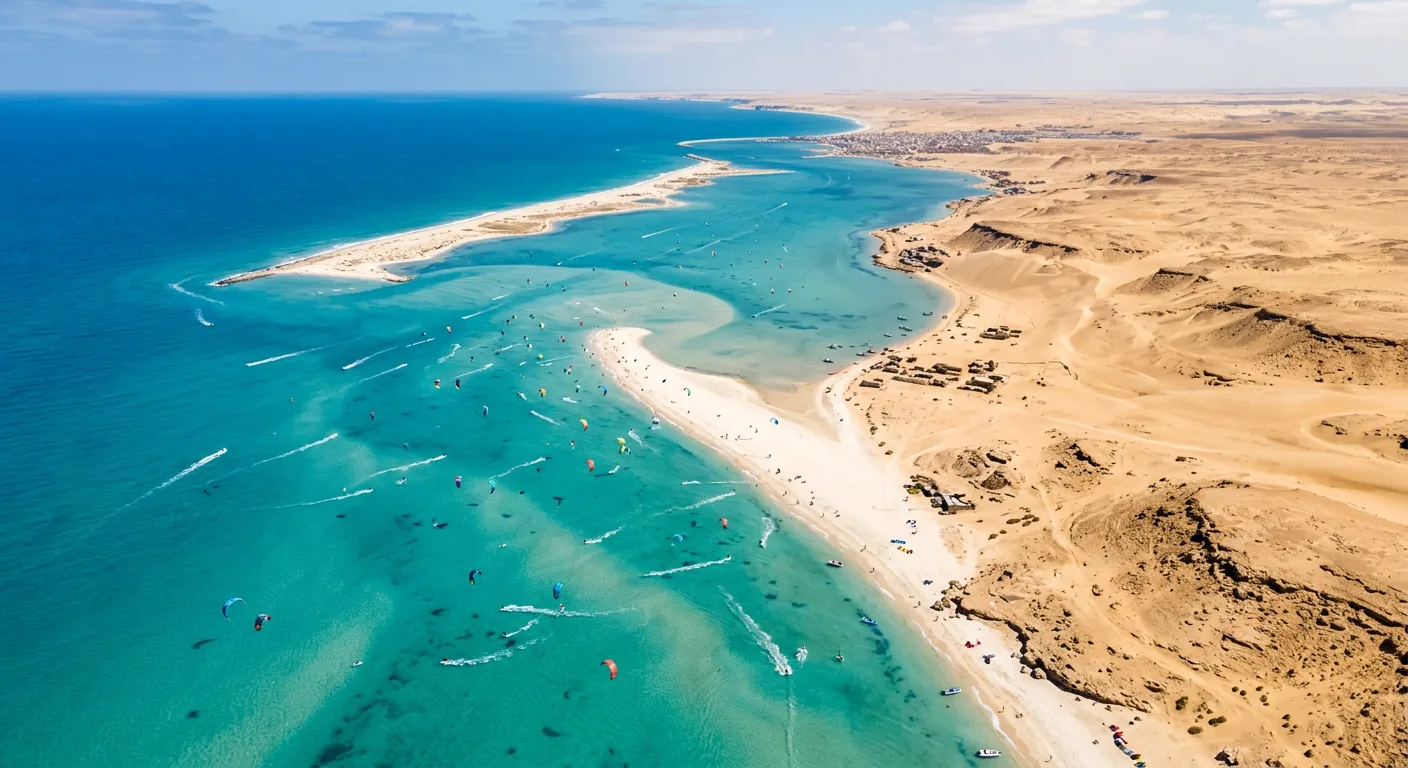
Dakhla
Dakhla sits on a slender peninsula where the Sahara meets the Atlantic, framing a vast flat-water lagoon. Steady trade winds, year-round sun and turquoise shallows have made it one of the world's premier kitesurfing destinations.
13 things to do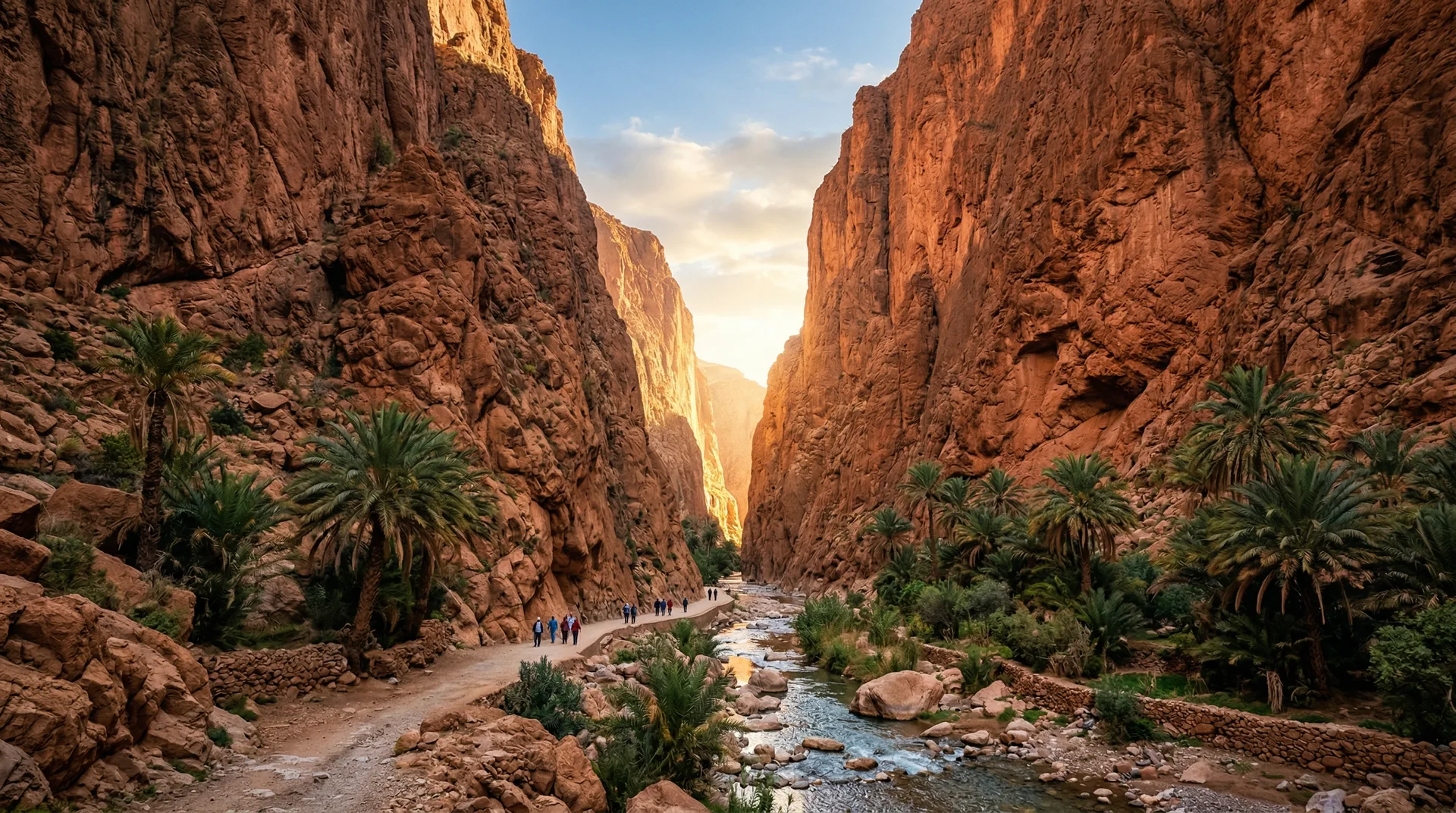
Todra Gorge
Cut into the eastern High Atlas near Tinghir, the Todra Gorge funnels travellers between sheer limestone walls rising up to roughly 300 metres. River, palm groves and Berber villages reward those who linger here.
12 things to do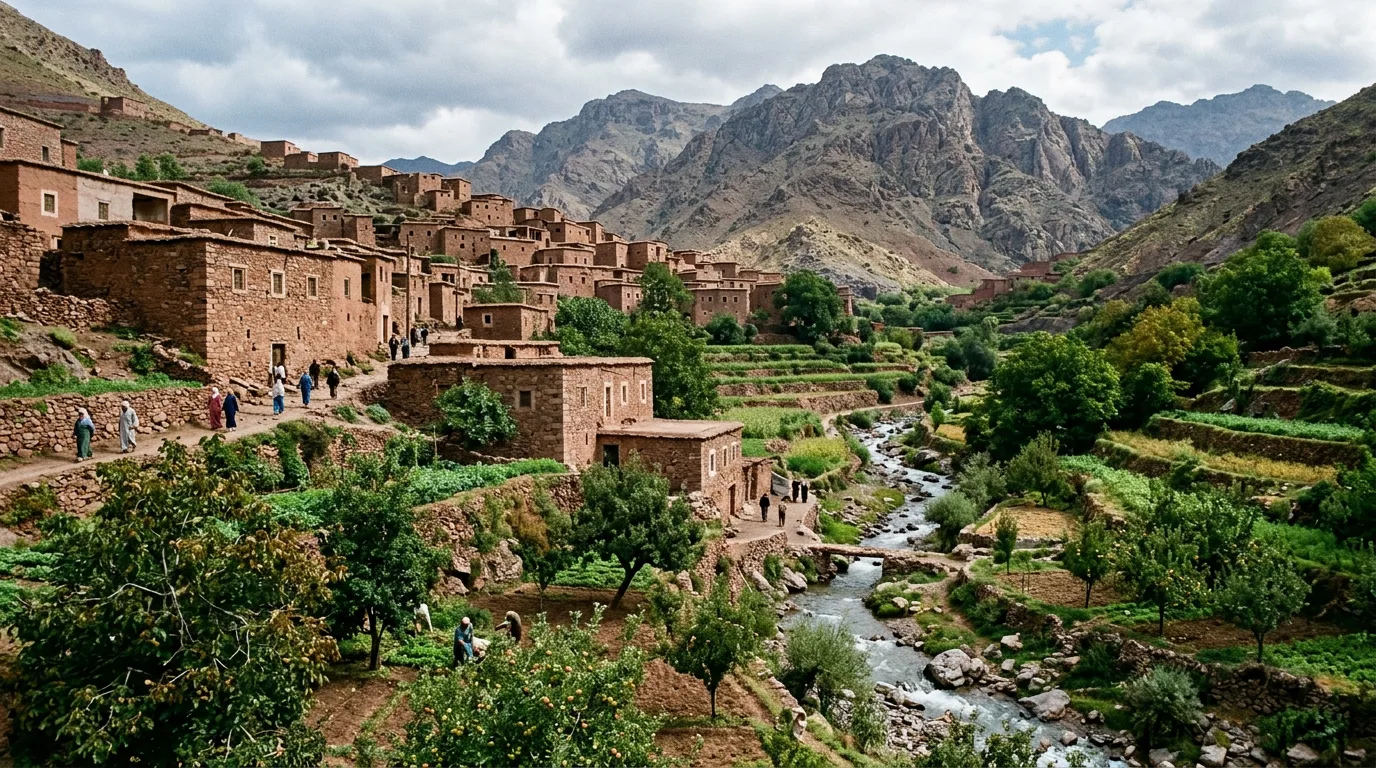
Taroudant
Often called 'little Marrakech', Taroudant is a walled market town in the fertile Souss Valley. Its earthen ramparts encircle bustling souks, palm-shaded squares and artisan workshops, with the High Atlas and Anti-Atlas rising on either side.
13 things to doOurika Valley
Tucked into the High Atlas about an hour south of Marrakech, the Ourika Valley pairs a rushing river with Berber villages, terraced gardens and waterfall hikes. Here are the experiences worth your day.
12 things to do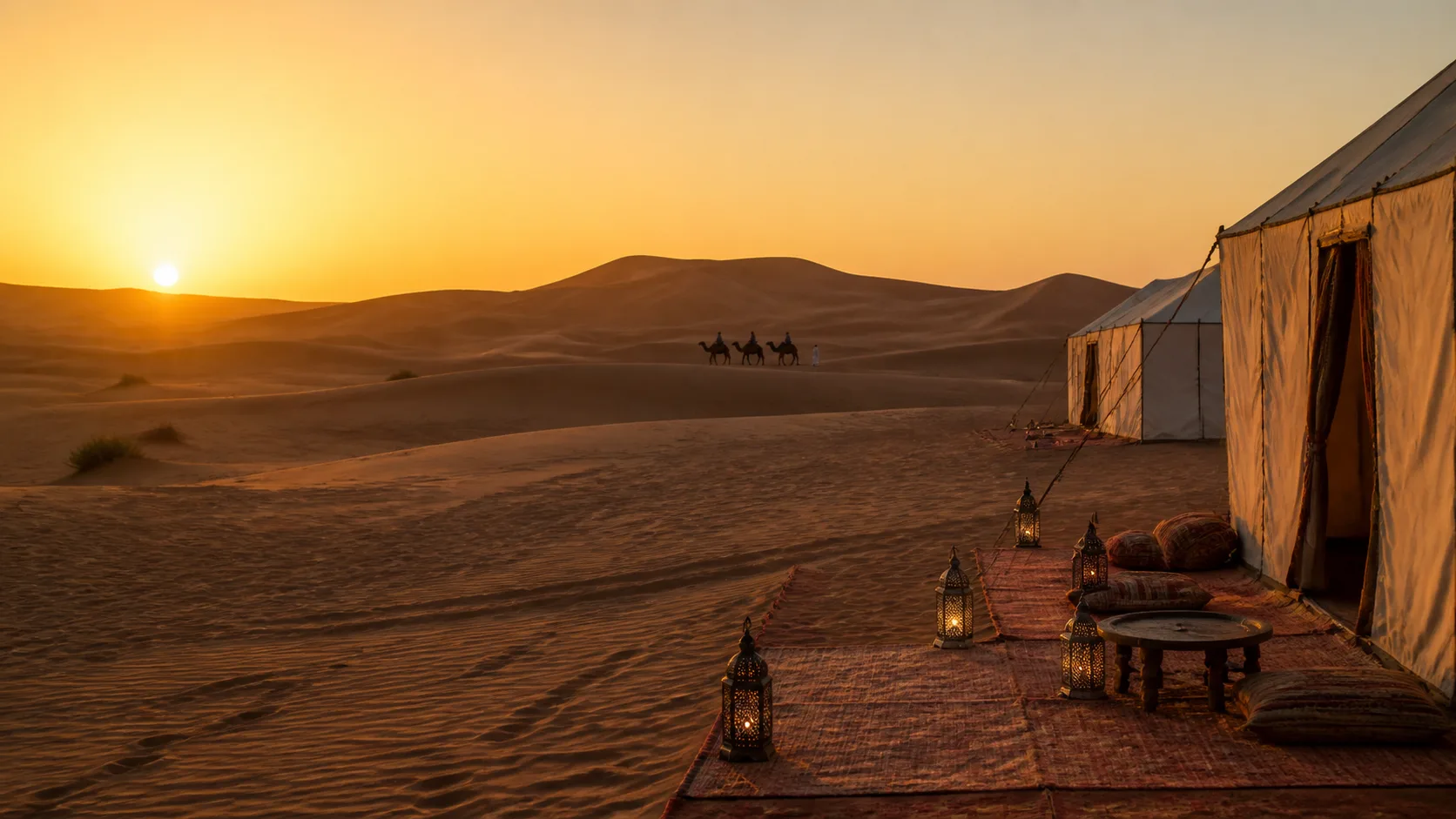
Agafay Desert
Around 45 minutes from Marrakech, the Agafay is a rocky stone desert of arid hills, not dunes. Its lunar hammada frames sweeping Atlas Mountain views, luxury camps and quiet adventure within easy reach of the city.
12 things to do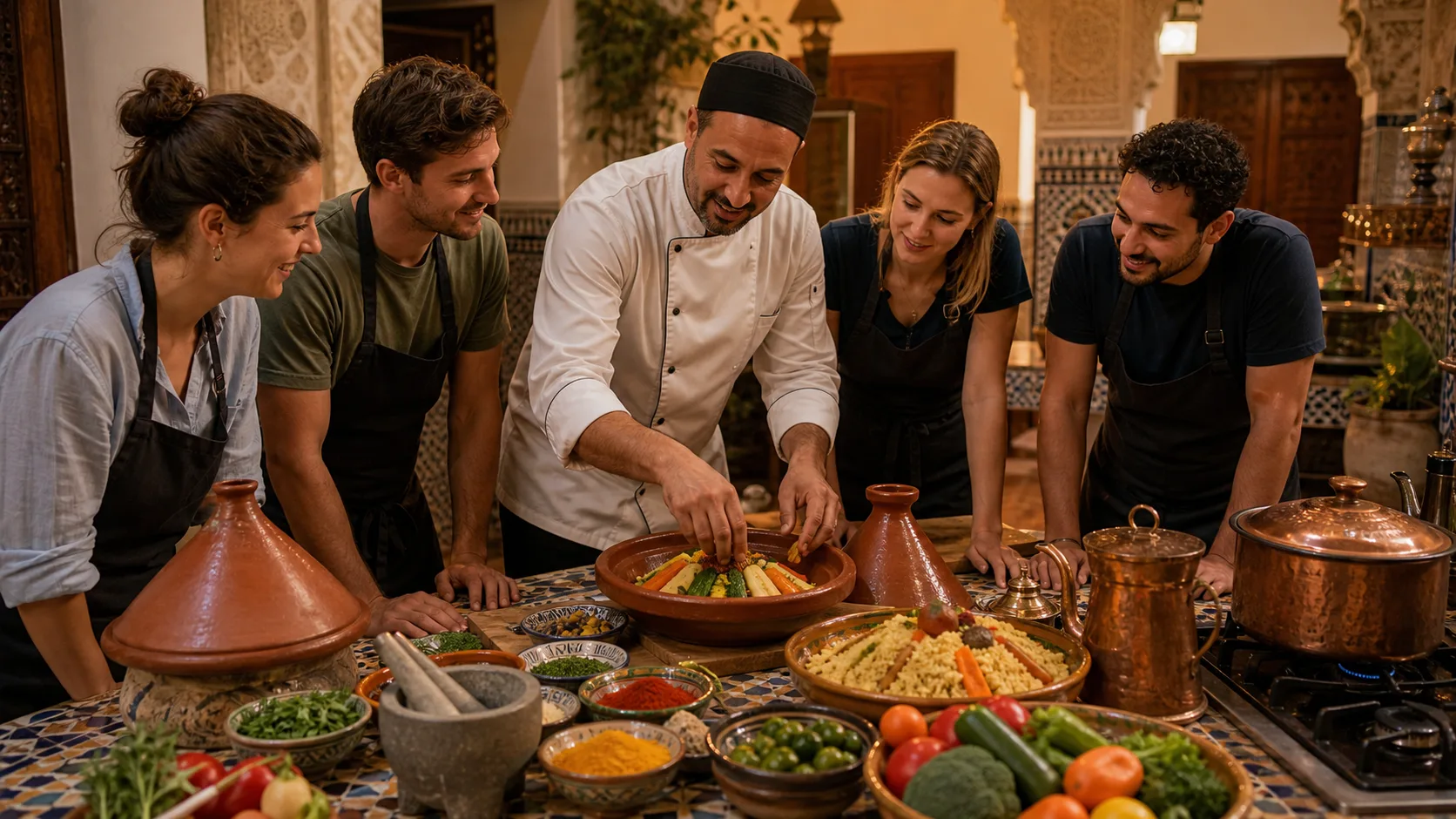
Marrakech
Marrakech is one of the best cities in the world to learn Moroccan cooking: most classes begin with a guided walk through the souks for fresh produce, then move to a riad kitchen or rooftop to cook tagine, couscous and bread by hand. From hands-on workshops to street-food crawls and patisserie tastings, here are the food experiences worth booking.
12 things to do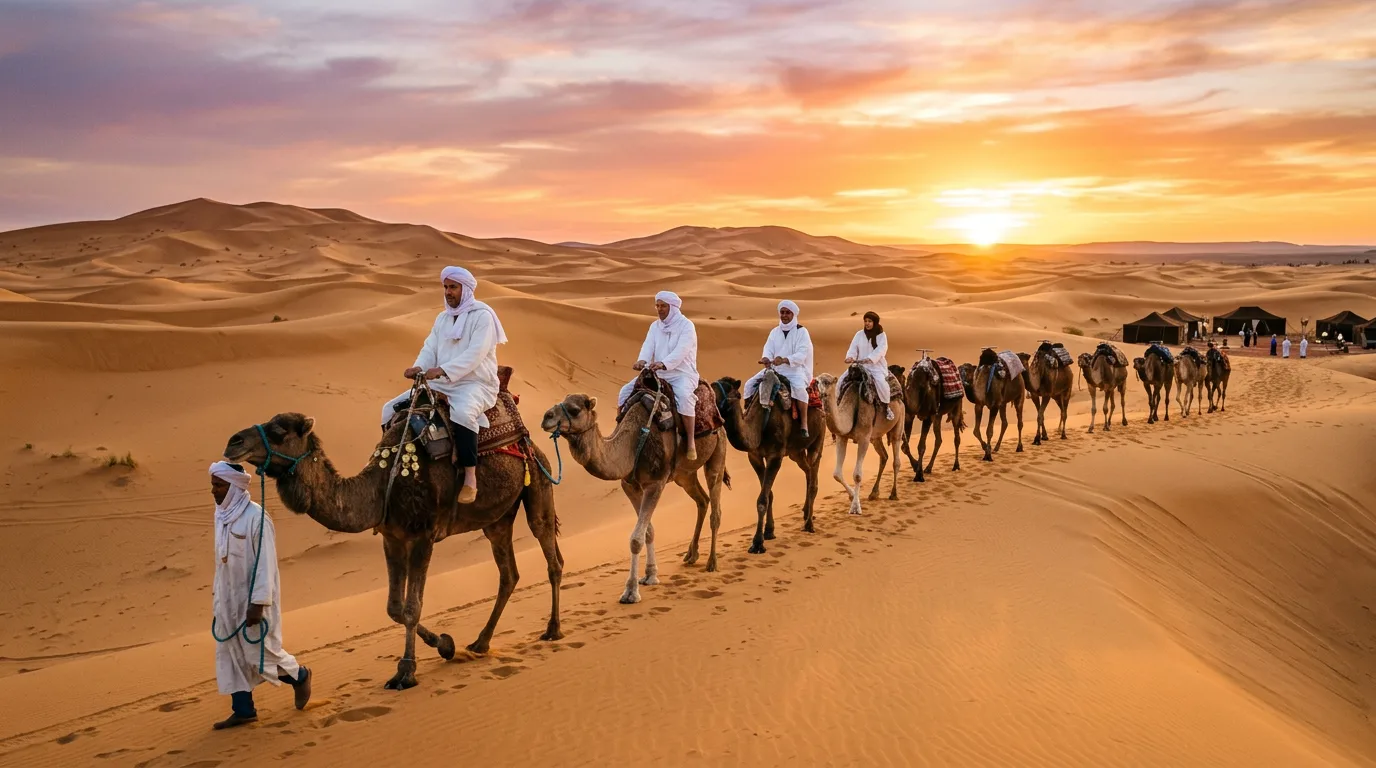
Marrakech
Beyond the medina's palaces and souks, Marrakech is a launchpad for adventure: hot-air balloons drift over the plains at dawn, quads tear across the Palmeraie, and the High Atlas and Agafay Desert sit within easy reach. From relaxing hammams to mountain hikes and design-world museums, here are the activities worth your time.
12 things to do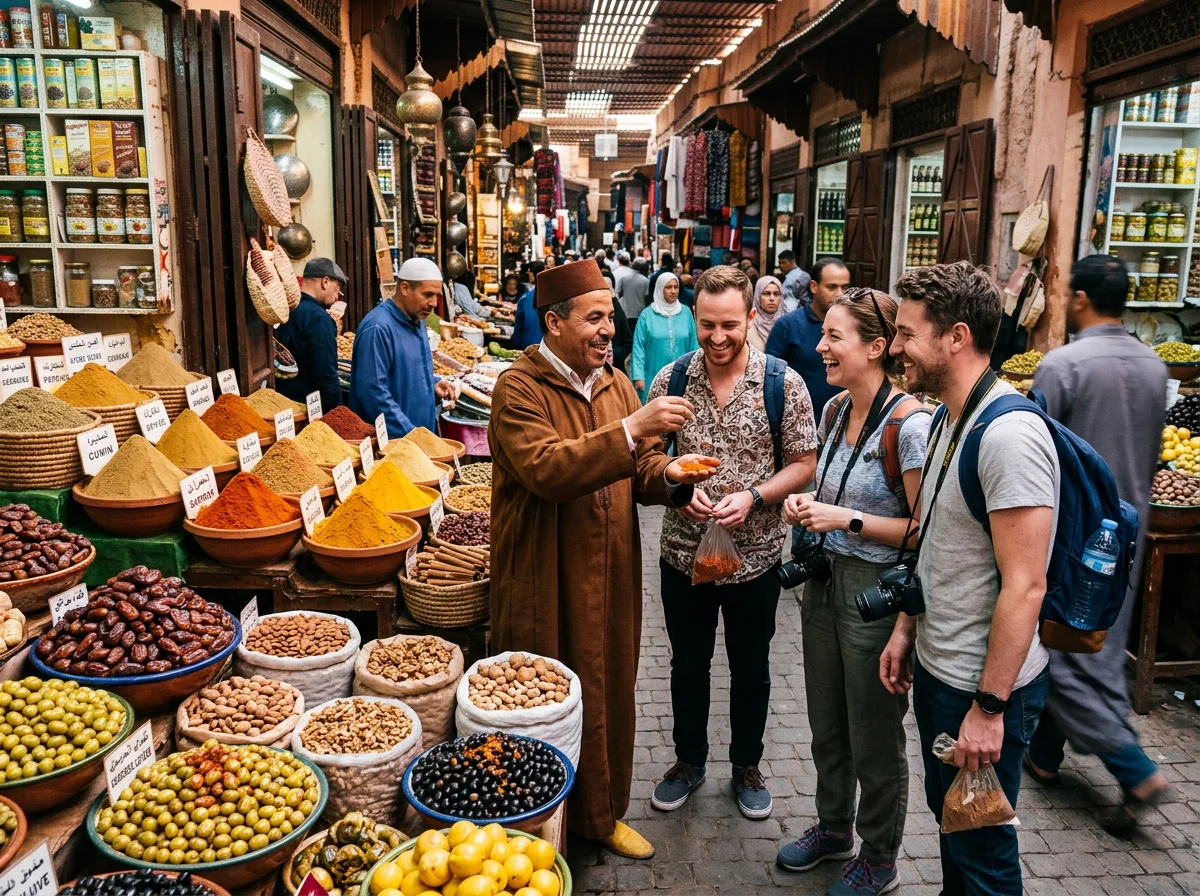
Marrakech
Marrakech is a street-food city, and the best way to taste it is on foot. A guided food walk threads through the medina to the legendary stalls of Jemaa el-Fna, the night market, the grill alleys and the dried-fruit souks, sampling snail soup, brochettes, tanjia and fresh juice as you go. Eat where the queues are longest, agree on prices before you order, and follow these tastes through the heart of the old city.
12 things to do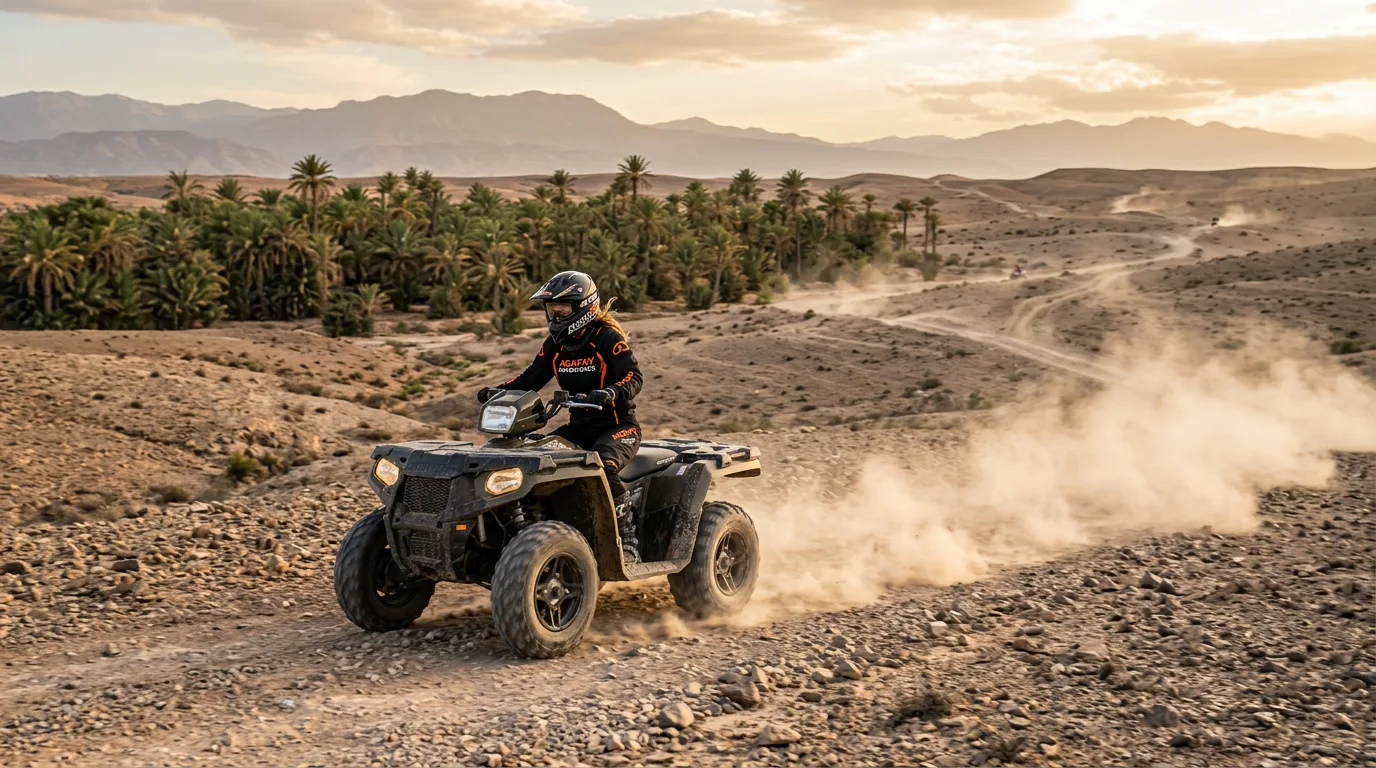
Agafay Desert
About 40 minutes from Marrakech, the Agafay is a stony hammada desert of firm rocky hills and dry riverbeds, not sand dunes, which makes it ideal terrain for quad bikes, off-road buggies and camel rides. Most circuits set out from desert bases near Lalla Takerkoust, with sunset departures and Berber-tent dinners among the most popular options. Here are the activities worth booking in the Agafay rocky desert.
10 things to doMarrakech
The Jardin Majorelle is Marrakech's most photographed garden — a compact botanical world of cacti, bamboo and palms wrapped around a studio painted in the intense cobalt now known as Majorelle Blue. Begun in the 1920s and 1930s by French painter Jacques Majorelle and later bought and restored by Yves Saint Laurent and Pierre Berge, it sits in the Gueliz district a short ride from the medina. This guide covers what to see, when to go, how the timed tickets and the adjoining museums work, and how to fold the visit into a half-day in Gueliz. Prices and opening hours change, so always check the official site before you travel.
10 things to do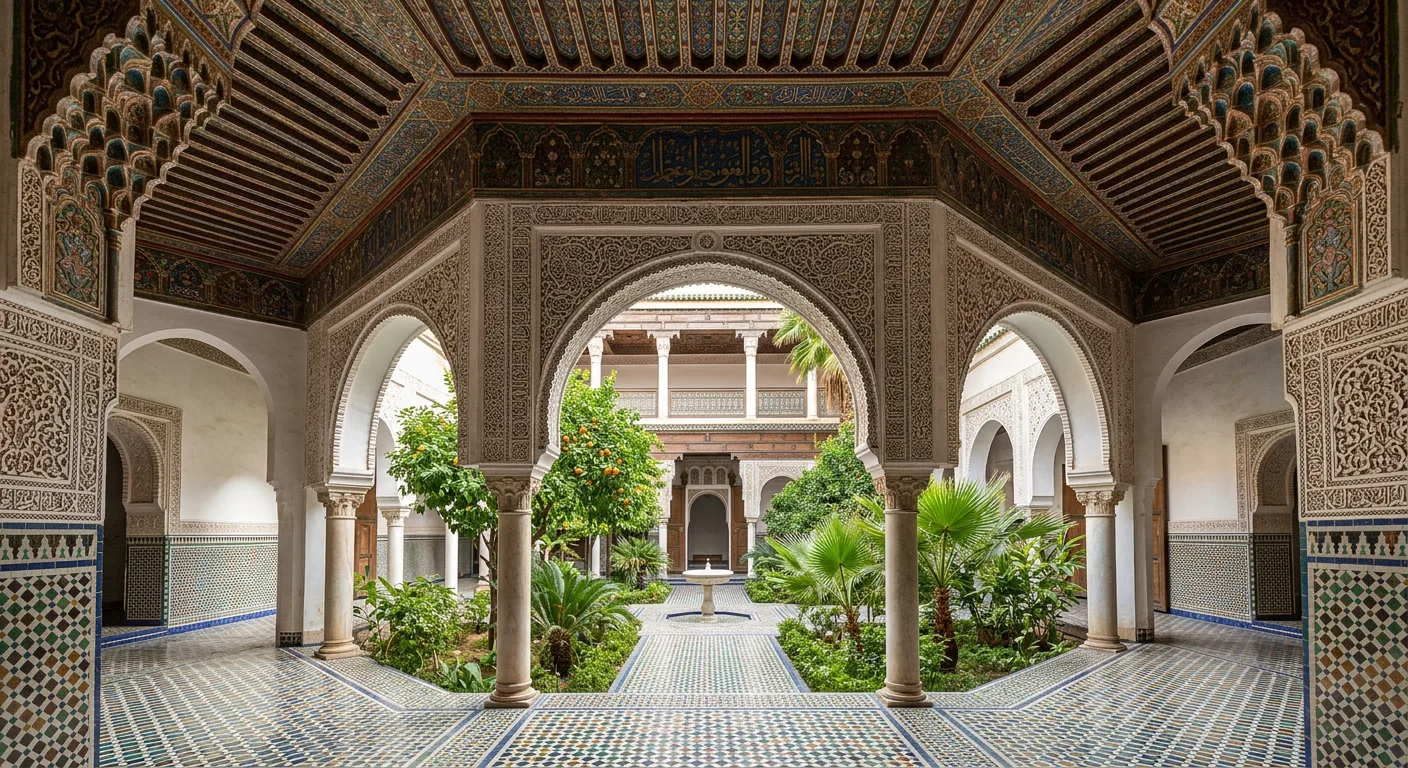
Marrakech
The Bahia Palace is one of the Marrakech medina's great set-pieces — a late-19th-century palace whose name means roughly 'brilliance' or 'the beautiful'. Spread across roughly eight hectares of courtyards, riad gardens and private apartments near the Mellah, it was built for the grand viziers Si Moussa and, on a far grander scale, his son Bou Ahmed (Ba Ahmed). There is little furniture to see today; the palace is celebrated instead for its painted cedar ceilings, carved stucco, zellige tilework and the rhythm of its open courts and shaded riads. This guide covers what to see, when to go to dodge the crowds, how long to allow, and how to combine the visit with the Mellah, the Saadian Tombs and the El Badi Palace. Ticket prices and opening hours change, so always check current information before you travel.
10 things to doMarrakech
The Saadian Tombs are a small but exceptional 16th-century royal necropolis in the Kasbah quarter of the Marrakech medina, beside the Kasbah Mosque. Built during the Saadian dynasty, the burial ground holds members of the ruling family in a pair of richly decorated mausoleums set around a garden scattered with graves. After the dynasty fell, the site was largely walled off and faded from public view for centuries, before being rediscovered and opened to visitors in the early 20th century — commonly dated to around 1917. Its masterpiece is the Chamber of the Twelve Columns, with Carrara marble columns, intricately carved cedar and stucco and muqarnas vaulting, sheltering the tomb of Sultan Ahmad al-Mansur. This guide covers what to see, the main chamber, the garden graves, how to handle the crowds and narrow entrance, how long to allow and how to combine the visit with the Kasbah, Bahia and El Badi. Ticket prices and opening hours change, so always check current information before you travel.
11 things to doMarrakech
The Koutoubia Mosque is Marrakech's largest mosque and its single most recognisable landmark, rising just south-west of the great square of Jemaa el-Fna. A 12th-century building from the Almohad era, it is crowned by a minaret of around 77 metres that is widely regarded as a masterpiece of Almohad architecture — and as the model and sibling of the Giralda in Seville and the Hassan Tower in Rabat. The name 'Koutoubia' comes from the kutubiyyin, the booksellers whose souk once clustered nearby. Note that, as a working mosque, the interior is reserved for Muslim worshippers and non-Muslims cannot enter; however, the minaret, the surrounding rose gardens and the open esplanade are free to all and are beautifully floodlit after dark. This guide covers viewing the minaret, the gardens, the ruins of the earlier mosque, the night illumination, photography, the building's role as an orientation landmark and how to combine it with Jemaa el-Fna. Details such as garden access and lighting can change, so check current information before you travel.
11 things to doMarrakech
El Badi Palace — 'the Incomparable' — is the great red-walled ruin at the heart of the Kasbah quarter, and one of Marrakech's most atmospheric monuments. It was built in the late 16th century by the Saadian sultan Ahmad al-Mansur, whose treasury was famously swollen by the ransom and gold that followed the Battle of the Three Kings (1578) and by the trans-Saharan gold trade. In its heyday the palace was lavished with gold, onyx, Italian Carrara marble and a vast central reflecting pool flanked by sunken gardens — a stage for receiving ambassadors and impressing rivals. A century or so later, Sultan Moulay Ismail stripped it of its riches to furnish his new capital at Meknes, leaving the towering ramparts, sunken orange groves and empty pavilions you walk through today. This guide covers the courtyard and ruins, the ramparts and their rooftop views, the storks nesting on the walls, the original Koutoubia minbar displayed on site, the history, how long to allow and how to combine the visit with the Bahia Palace, Saadian Tombs and Mellah. Ticket prices and opening hours change, so always check current information before you travel.
11 things to do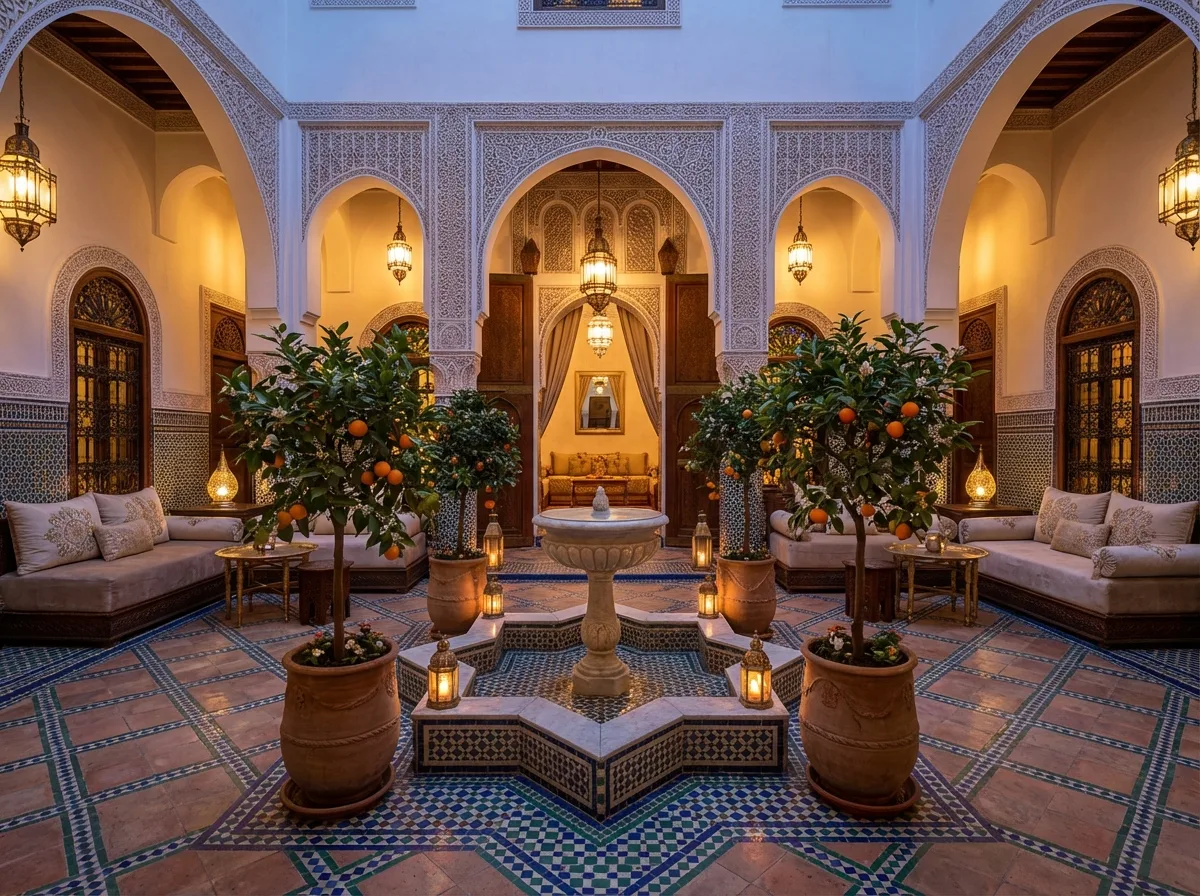
Marrakech
The Ben Youssef Madrasa is one of the Marrakech medina's most spectacular monuments — a former Quranic school (madrasa) tucked into the streets near the Marrakech Museum and the Almoravid Koubba. The college is generally traced back to a 14th-century Marinid foundation, but it was rebuilt and greatly expanded under the Saadian dynasty in the 16th century, which is the architecture visitors largely see today. In its heyday it ranked among the largest Islamic colleges in North Africa, housing many students in small cells arranged around a serene central courtyard with a reflecting pool. It is celebrated above all for its craftsmanship — exquisitely carved cedar, sculpted stucco and zellige tilework. Closed for an extended restoration in recent years, it has since been restored and reopened to visitors, and because it is now a historic monument rather than an active place of worship, non-Muslims may enter. This guide covers the courtyard and pool, the prayer hall and mihrab, the student cells upstairs, the craftsmanship, the surrounding sights, how long to allow, photography and etiquette. Ticket prices and opening hours change, so always check current information before you travel.
11 things to doMarrakech
The Menara Gardens are among Marrakech's oldest and most photographed green spaces — a wide expanse of olive groves laid out west of the central medina, founded in the 12th century under the Almohad dynasty. At their heart lies a large rectangular reflecting basin, an irrigation pool historically fed from the High Atlas to water the surrounding trees, and beside it stands the iconic pavilion crowned with a green pyramid roof. The postcard view here is that pavilion and pool with the snow-capped Atlas mountains rising behind, mirrored in still water — one of the city's defining images. Calmer and more open than the souks, Menara is a favourite local picnic and strolling spot a short way from the old city. This guide covers the basin and pavilion, the Atlas backdrop, the olive groves, the history and water engineering, how to get there and when the light is best. Opening details and any pavilion fee change over time, so check current information before you go.
10 things to doMarrakech
A sunrise hot-air balloon flight is one of the most memorable ways to see the landscape around Marrakech. Launches usually take place out on the open plains north or outside the city, away from the medina, where balloons drift over palm groves, scattered Berber villages and farmland with the snow-capped High Atlas rising on the horizon. The experience is built around the very start of the day: a pre-dawn pickup from your accommodation, the slow inflation and launch of the balloon as the sun comes up, roughly an hour aloft over the countryside, and — on many trips — a traditional Berber breakfast served in a tent after landing. The single most important thing to understand is that ballooning is strictly weather-dependent: flights are routinely cancelled or rescheduled for wind, so it pays to be flexible and, ideally, to book early in your stay so there is room to try again. This guide covers what the morning involves, the views, options from shared baskets to private flights, what to wear, who it suits and how to make the most of the cameras. Exact timings, inclusions, meeting points and prices vary between operators and seasons, so always confirm the current details when you book.
11 things to doMarrakech
The calèche — the open, green horse-drawn carriage — is a Marrakech institution and one of the city's most recognisable sights. Classic carriages wait at official ranks around the medina, most famously near Jemaa el-Fna and close to the Koutoubia, as well as by some of the larger hotels, ready to take passengers on a leisurely loop of the city. Typical routes trace the ochre ramparts and historic gates, pass the gardens on the western side towards the Menara and Agdal area, and some longer outings head out to the Palmeraie. A calèche ride is more about the unhurried experience and the views than about reaching a destination quickly: you sit back, the city rolls past at walking pace, and you see the walls, gates and palm-lined avenues in a way you cannot from a taxi. Importantly, Marrakech operates an official fixed-price tariff system for calèches, with posted zones and rates, but you should always agree and confirm the fare and the duration with the driver before you set off so there are no surprises. Two things shape a good ride: timing it for the cooler golden hour or early evening rather than the harsh midday heat, and choosing a carriage whose horse is visibly well cared for. This guide covers the experience, the routes, how fares work, the best time to go, animal-welfare considerations and who the ride suits. Routes, official tariffs and arrangements change over time, so confirm the current details before you ride.
11 things to do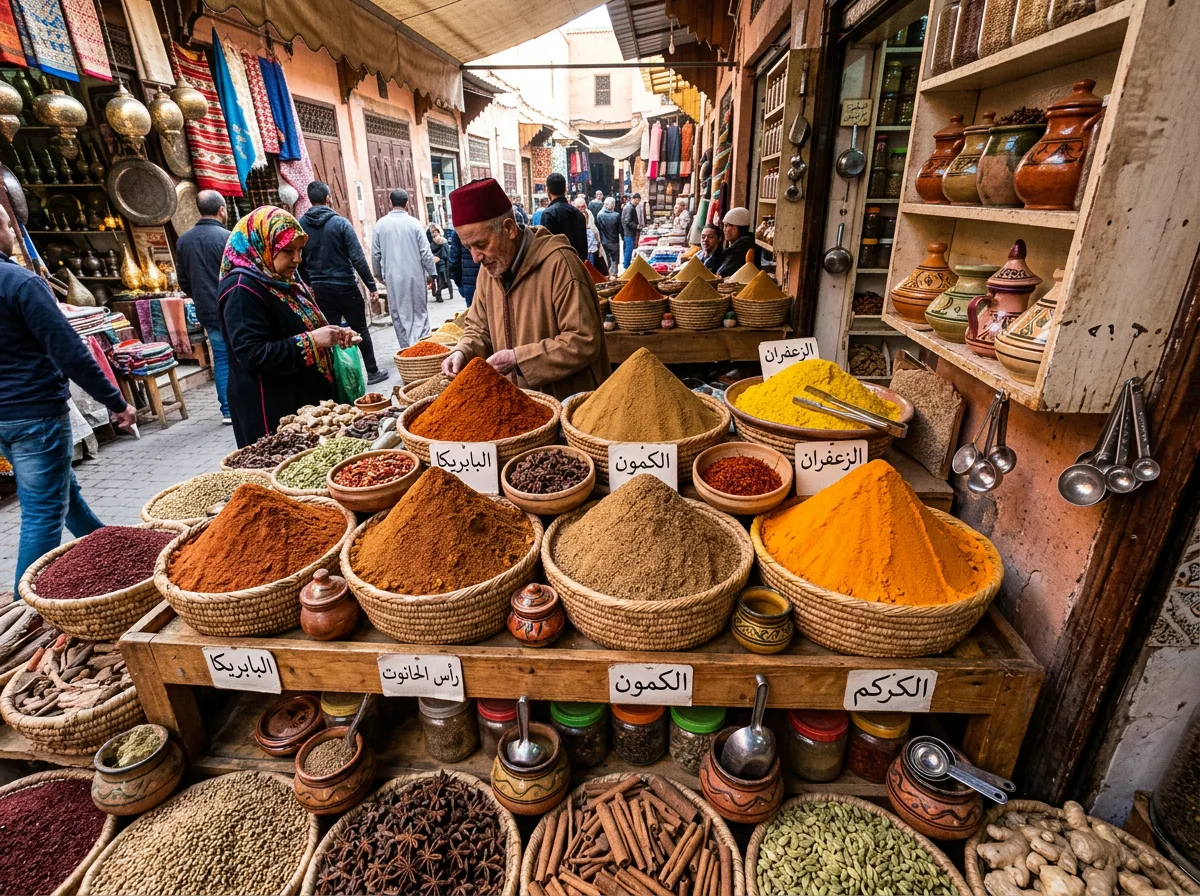
Marrakech
Two of the medina's most atmospheric quarters sit within easy walking distance of one another in the south-east of old Marrakech. The Mellah is the city's historic Jewish quarter, established in 1558 and one of the oldest mellahs in Morocco, laid out close to the royal kasbah and what is now the Bahia Palace. Its narrow lanes still hold the restored Lazama (Slat al-Azama) Synagogue with its quiet courtyard, the vast Miâara Jewish cemetery, and the memory of the goldsmiths, jewellers and spice traders who once worked here. A short walk north, deeper in the souks, lies the Rahba Kedima — the old 'place of spices', widely known today as the Place des Épices. Around this open square, herbalists and apothecaries sell mounds of spices, dried herbs, traditional remedies, argan products and curiosities, while café terraces look down over the bustle. This guide covers the Mellah's history and synagogue, the spice square and its herbalists, the apothecary and argan stalls, gentle haggling, respectful visiting, photography, and how to combine it all with the Bahia Palace and the souks. Opening hours, entry arrangements and prices change, so always check current information before you travel.
11 things to doMarrakech
Two of the medina's quietest treasures sit side by side on the same square in the northern medina, beside the Ben Youssef Madrasa. The first is the Marrakech Museum (Musée de Marrakech), housed in the restored Dar Menebhi — a grand late-19th-century riad-palace built for a Moroccan minister, arranged around a vast central atrium famously canopied by a huge metal-and-glass chandelier and lantern, with its own hammam and rooms displaying Moroccan art, calligraphy, textiles and ceramics. The second is the Almoravid Koubba (Koubba Ba'adiyn, or Koubba Almoravide), a small domed ablution pavilion that is the only surviving Almoravid-era structure in Marrakech, dating from the early 12th century. Modest in size, it is prized by historians far beyond its scale: its carved interior dome, interlacing and lobed arches, and the pinecone, palm and acanthus motifs are regarded as prototypes of the Moroccan-Andalusian ornament that flowered in the centuries after. Together with the neighbouring madrasa, the museum and koubba form a compact cluster you can visit in a single, unhurried circuit. This guide covers the Dar Menebhi palace and its atrium, the museum collection, the koubba's historical importance, the medina cluster, how long to allow, photography and combining tickets. Opening hours and ticket prices change, so always check current information before you travel.
11 things to do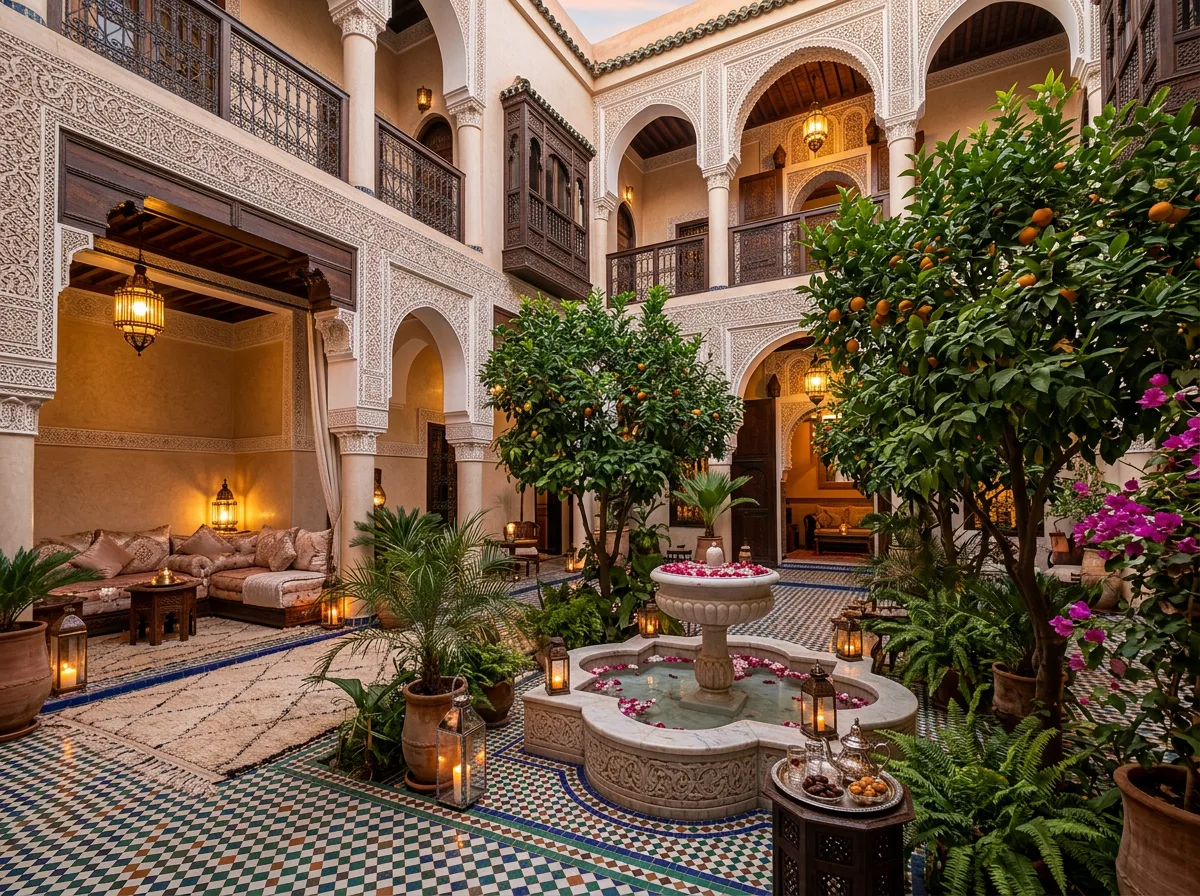
Marrakech
Tucked into the lanes of the northern medina, a short walk from the Ben Youssef Madrasa, the Maison de la Photographie de Marrakech is one of the city's most quietly rewarding museums. It occupies a restored riad — a traditional medina house arranged around a central courtyard — and is given over to a private collection of vintage photographs of Morocco, spanning roughly the 1870s to the 1950s. Across the rooms you find early studio portraits, scenes of Berber and city life, landscapes and street views, alongside old postcards and original glass-plate negatives, with an archive film of the Atlas often shown as part of the visit. The mood is calm and unhurried, and the building climbs to a celebrated rooftop terrace café with sweeping views over the medina rooftops towards the Atlas mountains — a lovely place to pause for mint tea or a light lunch. This guide covers the photographic collection and what it shows, the riad setting, the rooftop café and its views, how long to allow, photography, combining the visit with the Ben Youssef Madrasa and Marrakech Museum, and dress and etiquette in the medina. Opening hours and admission change, so always check current information before you travel.
12 things to do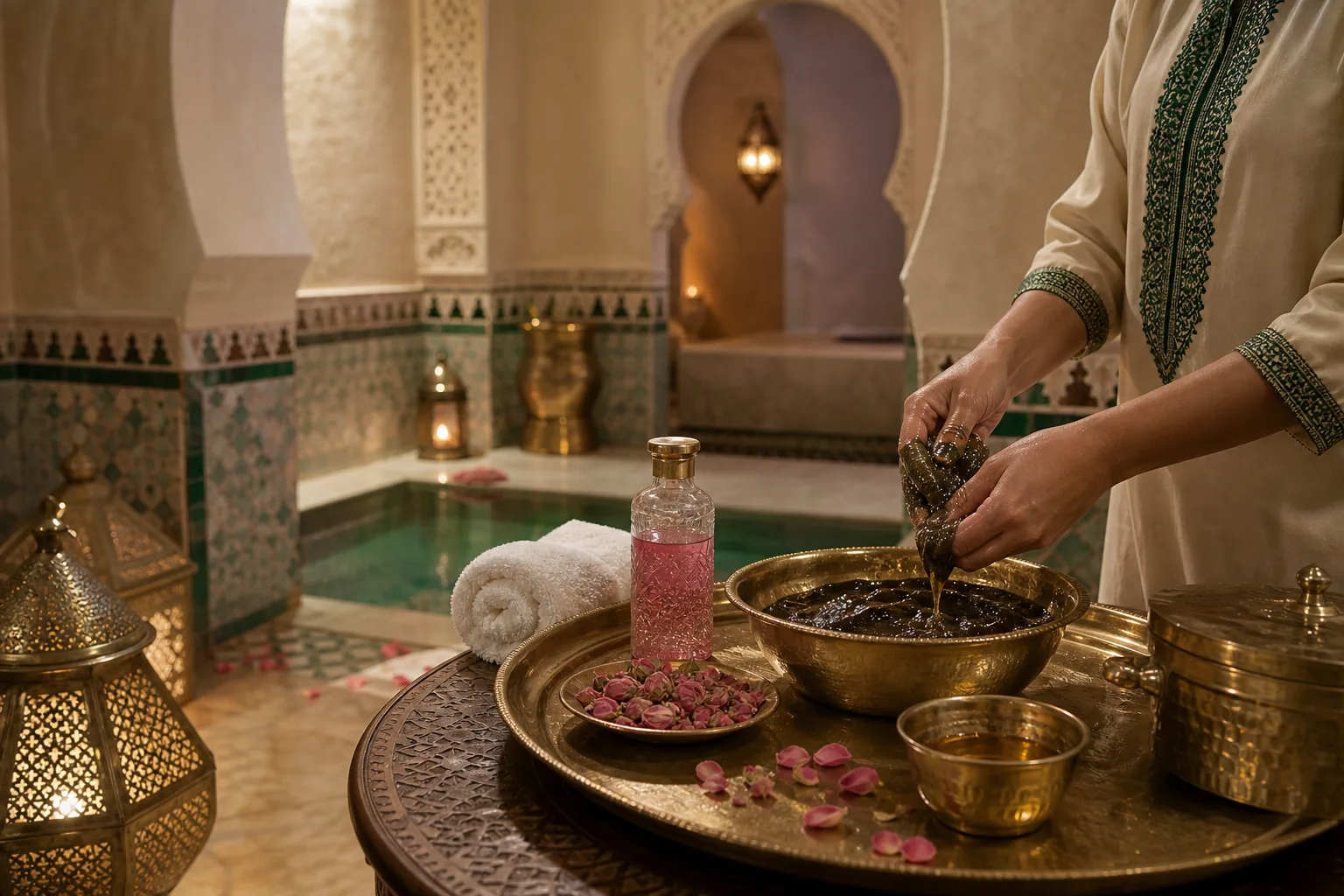
Marrakech
The hammam — a steam bathhouse — is one of the most deeply rooted rituals in Moroccan life, a place of cleansing, relaxation and community that long predates the modern spa. In Marrakech you can experience it two ways. A public neighbourhood hammam is the very local version: cheap, basic, gender-separated by time or space, with mostly Arabic (and Darija) spoken, where regulars bring their own kit and wash themselves over a slow, steamy hour. A private riad or spa hammam is the calmer, guided version, usually sold as a treatment package with an attendant who performs the ritual for you. Either way the heart of the experience is the same: warmth and steam to open the pores, an application of savon beldi (the olive-based 'black soap'), and then a brisk exfoliating scrub with a coarse kessa glove that lifts away dead skin, often followed by a rhassoul clay mask, a rinse and an argan-oil massage. This guide explains public versus private hammams, walks through the ritual step by step, covers what to bring and wear, etiquette and tipping, who it suits, and where to go in the medina or Gueliz. Prices, opening hours and exactly what each spa includes vary widely, so always check current details before you go.
11 things to doMarrakech
Jemaa el-Fna is the great open square at the heart of the Marrakech medina and the city's living theatre — recognised by UNESCO in 2001 as a Masterpiece of the Oral and Intangible Heritage of Humanity for the storytelling, music and performance traditions that have unfolded here for centuries. By day it is a loose, sun-baked expanse of orange-juice carts, henna artists, costumed water-sellers, storytellers and musicians, with snake charmers and Barbary-ape handlers among the crowds. As dusk falls the square transforms: rows of grill stalls roll out and the open space becomes a vast open-air food market wreathed in smoke and steam, while Gnaoua musicians, drummers and performers draw rings of onlookers — for many visitors this nightly metamorphosis is the highlight of Marrakech. This guide covers the square by day and by night, the food stalls and how to use them, the famous juice carts, the rooftop cafés that overlook it all, and — handled honestly — the animal-welfare and tipping issues you should know about before you go. It is a place to enjoy with your wits about you: agree any price or tip first, watch your belongings in the crowds, and treat it as the spectacle it is. Stalls, performers and the square's rhythm vary by season and time of day, so take this as a guide to the spirit of the place rather than a fixed schedule.
11 things to doMarrakech
Marrakech is a city built from ochre and pisé, and at sunset the whole place seems to glow — the walls warm to a deeper red, the Koutoubia minaret silhouettes against the sky, and the call to prayer drifts across the rooftops. The classic experience is a mint tea or a drink on a medina terrace overlooking Jemaa el-Fna as the food stalls light up below and the smoke rises into the dusk. Beyond the square there are gardens, ramparts, rooftop bars in the newer districts and, out in the stony Agafay hills, a dune-free desert sunset within easy reach of the city. This guide gathers the best places to watch the day end, what each one offers, when to arrive and how to photograph the light — with a note that most medina rooftops are cafés or restaurants where you are expected to order something, and that timings and venues change, so check before you go.
10 things to doMarrakech
Le Jardin Secret is one of the medina's most rewarding quiet stops — a restored riad-and-garden complex hidden behind high walls on the busy Rue Mouassine, in the Mouassine quarter of the old city. Built around a historic palatial estate, it was painstakingly restored and reopened to the public in 2016, revealing two contrasting walled gardens, restored pavilions, a café and a tower you can climb for rooftop views over the medina. The estate is best known for pairing a lush, green exotic garden with a formal traditional Islamic (Andalusian-style) char-bagh garden divided into quarters by water channels — the whole site fed by a restored khettara, the underground irrigation system that has watered Marrakech for centuries. This guide covers the two gardens, the historic water system, the tower and rooftop views, the café and pavilions, its Mouassine setting, how long to allow, photography and how to combine it with the souks and the Mouassine mosque and fountain. Admission and opening hours change, so always check current information before you visit.
11 things to do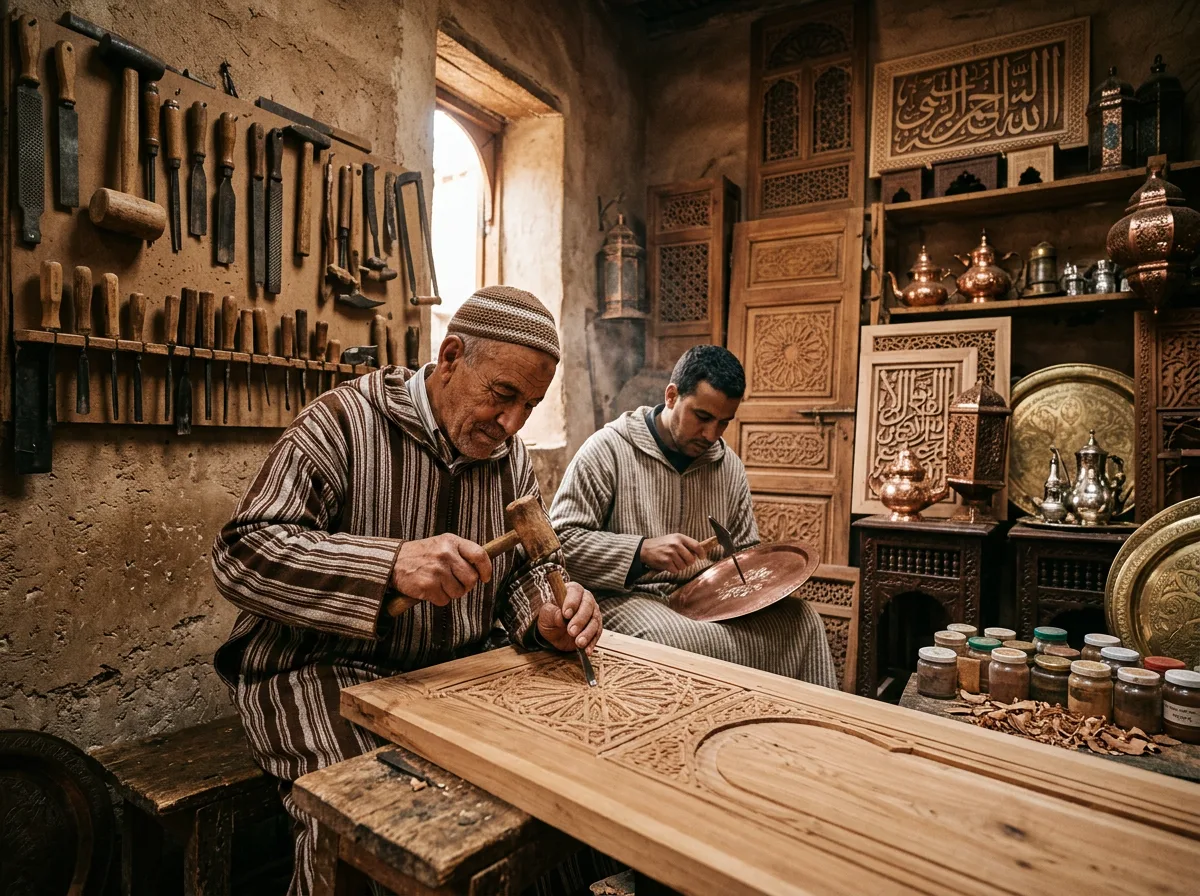
Marrakech
Sidi Ghanem — properly the Quartier Industriel Sidi Ghanem — is an industrial quarter in the northwest of Marrakech that has, over the years, become the city's hub of contemporary Moroccan design. Behind its plain warehouse facades sit showrooms and concept stores for homeware, furniture, ceramics, textiles, lighting, leather and fashion, alongside design studios, a handful of art galleries and a few stylish cafés. It is where interior decorators, hotels and riad owners come to source pieces, and where design-minded visitors browse modern Moroccan craft — often at better quality and with fixed prices compared with bargaining in the souks, and usually with the option to ship larger items home. It is worth being clear about what the area is: a working industrial zone, not a quarter of pretty streets, so you go for the shops and showrooms rather than for the setting. Most visitors arrive by taxi or car, browse a cluster of stores, and pause at a café. This guide covers what Sidi Ghanem is and why to visit, the kinds of design and concept stores you'll find, how shopping here compares with the souks, the cafés and galleries, the practicalities of getting there and showroom hours, shipping, and who the district suits best. Showroom hours and opening days change, and many places close on Sundays, so always check current information before you go.
13 things to doMarrakech
Marrakech is a city that loves a spectacle, and over the years it has built a calendar of festivals and events that draw visitors from around the world — most famously the glamorous Marrakech International Film Festival, the Marrakech Marathon, and the National Festival of Popular Arts celebrating Moroccan folklore and Amazigh music and dance. This guide introduces the city's best-established events, roughly when they have tended to fall in the year, and how a festival can shape — and sometimes complicate — a visit. One honest caveat runs through everything below: dates, programmes and even whether a given festival runs at all change from year to year. Some Marrakech events have paused, moved or not returned in certain years, so nothing here should be read as a fixture for the year you travel. Treat this as a guide to what the city is known for, then check the official programme close to your trip to confirm what is actually on, when, and how to attend. Because the biggest events fill the city's hotels and riads, the single most useful piece of advice is to check current dates early and book accommodation well ahead if you want to be in town for a festival — or to plan around one if you would rather avoid the crowds and higher prices.
10 things to doMarrakech
Tucked into a traditional house in the southern medina, on the route between the Bahia Palace and Dar Si Said, the Tiskiwin Museum (Musée Tiskiwin) is one of Marrakech's quietest and most thoughtful sights. Often called the Bert Flint museum, after the Dutch anthropologist whose collection it holds, it is devoted to the material culture of the Sahara and southern Morocco — textiles and carpets, jewellery, leatherwork, basketry, musical instruments and everyday artefacts. The rooms are arranged to evoke a journey from Marrakech to Timbuktu along the old trans-Saharan caravan route, so that as you move through the house you follow, room by room, the goods, crafts and traditions that once travelled between Morocco and the lands south of the Sahara. It is a small, atmospheric place set in a traditional riad-style house, a deliberate contrast to the grand palaces nearby, and is especially loved by anyone drawn to Berber, Amazigh and Saharan culture. This guide covers the collection and the Marrakech-to-Timbuktu concept, Bert Flint's role, the riad setting, who the museum suits, how long to allow, photography, and combining it with the Bahia Palace and Dar Si Said. Opening hours and admission can change, so always check current information before you go.
12 things to doMarrakech
Alongside its palaces and souks, Marrakech has quietly become one of the most interesting places in Africa to look at modern and contemporary art. Over the past decade or so the city has grown into a hub for contemporary African art, anchored by MACAAL — the Musée d'Art Contemporain Africain Al Maaden, a leading private museum on the edge of the city — and by a cluster of galleries in Gueliz, the modern new town, where spaces such as the Comptoir des Mines Galerie occupy restored 20th-century buildings. The scene also has a periodic festival dimension: the international 1-54 Contemporary African Art Fair has held Marrakech editions, and the city earlier hosted the Marrakech Biennale, though events like these run intermittently and their programmes change. Add the design-led Yves Saint Laurent Museum and the Maison de la Photographie for photography, and you have enough to build a genuine art-focused day or two into a trip. This guide covers MACAAL and its setting at Al Maaden, the Comptoir des Mines and the Gueliz gallery district, the art-fair and biennale scene, how it all complements the historic medina, getting around (Gueliz is walkable; MACAAL needs a taxi), and who the city's art scene suits best. Because opening hours, exhibitions and which fairs run in a given year all change, treat specifics here as a starting point and always check the current programme before you go.
12 things to doMarrakech
The Palmeraie is a large, historic palm grove on the northern edge of Marrakech, a short drive from the medina, where many operators offer short camel rides ambling along sandy tracks beneath the palms. A typical ride lasts around one to two hours, often pausing at a Berber tent for mint tea and frequently timed for sunset. It is an easy, family-friendly taste of the desert close to the city, though it is worth being clear that this is a palm grove and tracks, not true sand dunes. Here is what to know before you book a Palmeraie camel ride.
10 things to doMarrakech
In the north-eastern corner of the medina, around the old gate of Bab Debbagh — the 'tanners' gate' — Marrakech keeps a working leather-tanning quarter that has carried on the same trade for centuries. These tanneries are smaller and far less touristy than the celebrated Chouara tannery in Fes, which makes a visit feel more low-key and workaday, but it also means you mostly glimpse the work from the surrounding lanes and from the rooftops of nearby leather shops rather than from a formal viewing platform. The traditional process is much as it has long been: raw hides are cleaned and soaked in stone vats using lime and natural agents, then worked and coloured with natural dyes before being turned into the bags, slippers (babouches), poufs and other goods sold across the souks. It is an earthy, pungent, hands-on craft, and a sprig of mint held to the nose is the time-honoured way to cope with the strong smell. This guide covers the tanneries and the traditional process, the Bab Debbagh area, viewing etiquette and the customary tip, an honest word about faux-guides and the hard sell, how it compares with Fes's bigger Chouara, the leather goods, photography, and how to weave it into a walk through the northern medina. Opening arrangements and the way visits work here can change, so treat any guidance below as a starting point and check locally.
11 things to doMarrakech
ANIMA is a contemporary art garden created by the Austrian artist André Heller, set roughly 27 kilometres from Marrakech on the Ourika road as it heads toward the High Atlas. Part botanical garden, part open-air gallery, it blends lush, exotic planting — palms, cacti, bamboo, flowering beds — with surreal, brightly coloured sculptures and art pieces arranged along winding paths, all against the backdrop of the snow-capped Atlas. The mood is playful and dreamlike rather than reverent, a deliberate, creative contrast to the medina's monuments and souks. There is a café named for the writer Paul Bowles where you can stop for a drink or a light lunch. Most visitors come on a relaxed half-day trip from Marrakech, and a shuttle bus runs from the city, though schedules change. This guide covers what ANIMA is, the sculptures and planting, the Atlas setting, the café, getting there, who it suits, photography and how to combine it with the Ourika Valley. Admission and shuttle details change, so always check current information before you visit.
11 things to doMarrakech
A short walk from the Bahia Palace in the southern Marrakech medina, Dar Si Said is one of the city's most rewarding quieter sights — a late-19th-century palace that now houses the National Museum of Weaving and Carpets (Musée National du Tissage et du Tapis). The house was built for Si Said, brother of the vizier behind the neighbouring Bahia Palace, and shares the same era of lavish craftsmanship: carved cedar ceilings, painted woodwork, sculpted stucco, zellij tilework and a tranquil riad-style courtyard garden. After restoration it reopened devoted to Moroccan carpets and textiles, gathering rugs and weavings from across the country's regions — the High Atlas, the Middle Atlas, the south and the Saharan fringes, and the wider world of Berber and Amazigh weaving. The result is a visit that works on two levels at once: an exquisite historic palace to wander, and a focused collection that explains the regional rug traditions Morocco is famous for. It is generally calmer and less crowded than the big palaces, which is part of its appeal. This guide covers the palace setting and its decoration, the carpet and weaving collection and the regional rug styles, who the museum suits, how long to allow, photography, and combining it with the Bahia Palace and the Mellah next door. Opening hours and admission can change, and museums here sometimes close for works, so always check current information before you go.
12 things to do