Local experiences in Marrakech: hammam, cooking and tea
The best local experiences in Marrakech are the everyday rituals: a hammam scrub, cooking a tagine, pouring mint tea, watching a craftsperson at work, and the Agafay at sunset. Here is what each one involves, how to do it respectfully, and what it costs.
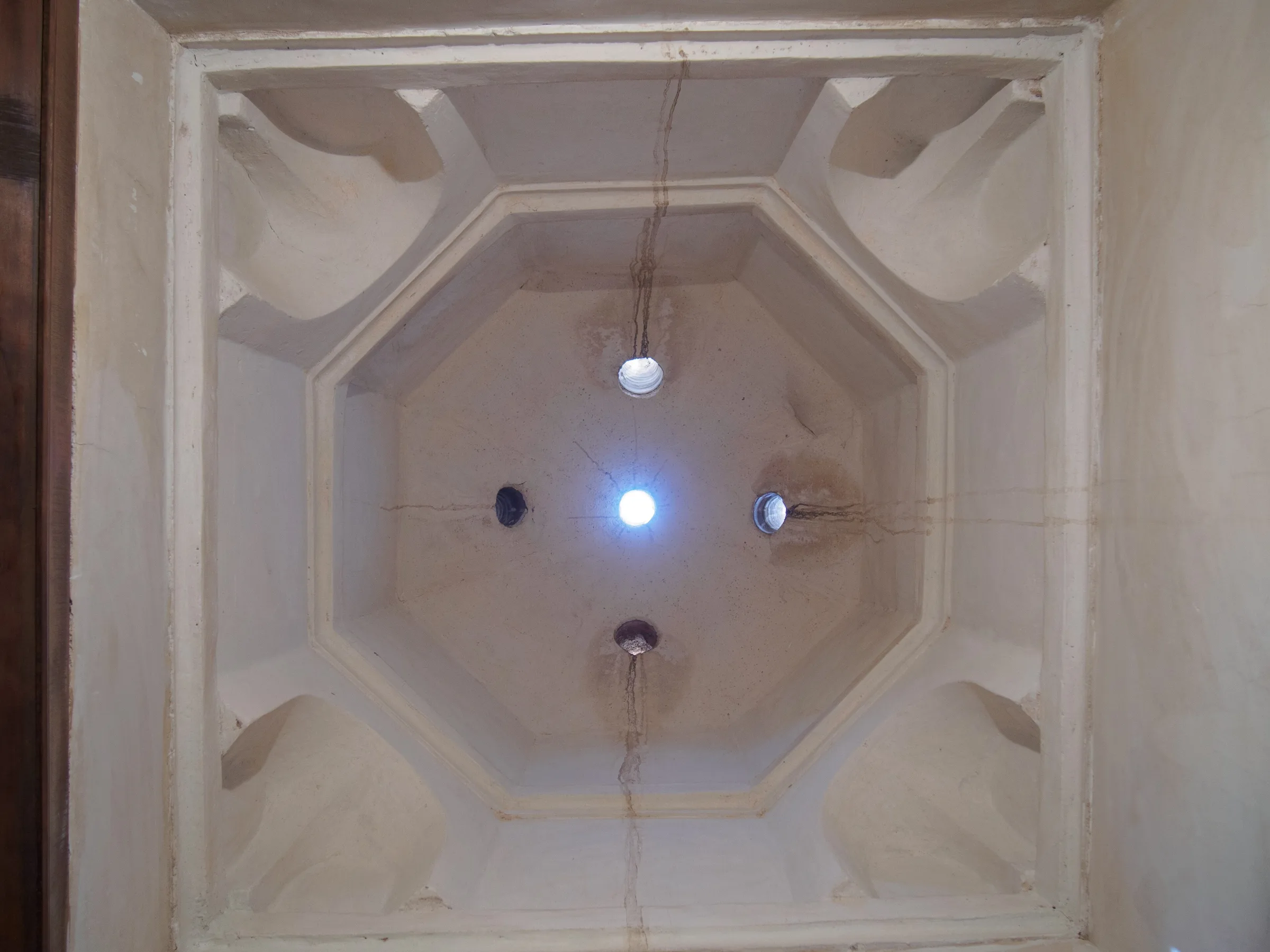
الحمام
The hammam
Every neighbourhood has a public hammam beside its mosque and its bakery. It's a weekly ritual of heat, black soap and a scrub that takes off what feels like a layer of you.
- 1
Warm room. You sit in steam on tiled floors until your skin softens. Bring flip-flops and wear swimwear or underwear.
- 2
Savon noir. An olive-based black soap is spread over you and left to work for a few minutes.
- 3
The kessa. A rough glove and a firm attendant. The scrub is vigorous; say 'shwiya' (gently) if it's too much.
- 4
Rinse and rest. Buckets of warm water, then cool air and a glass of tea.
A public hammam costs about MAD 10–20 to enter, with a scrub about MAD 50–150 extra. Men and women bathe separately, by section or by hour. A spa hammam in a riad is private, gentler and fully explained in English.
الطبخ
A cooking class
Shop the market with a cook, then spend the afternoon learning why a tagine can't be rushed. You eat what you make, which is the best lunch of the trip.
- 1
The market. Buy vegetables, herbs and spices with the cook, and learn which cumin is which.
- 2
Bread and salads. Knead khobz for the neighbourhood oven and make the cooked salads that start every meal.
- 3
The tagine. Layer it, then wait. The class is mostly about the waiting.
- 4
The table. Lunch with the cooks, with tea poured the right way.
Amal, a non-profit in Gueliz and Targa, runs classes that fund cooking training for disadvantaged women. They fill fast in high season. Riad and farm classes outside the city are calmer and more private.
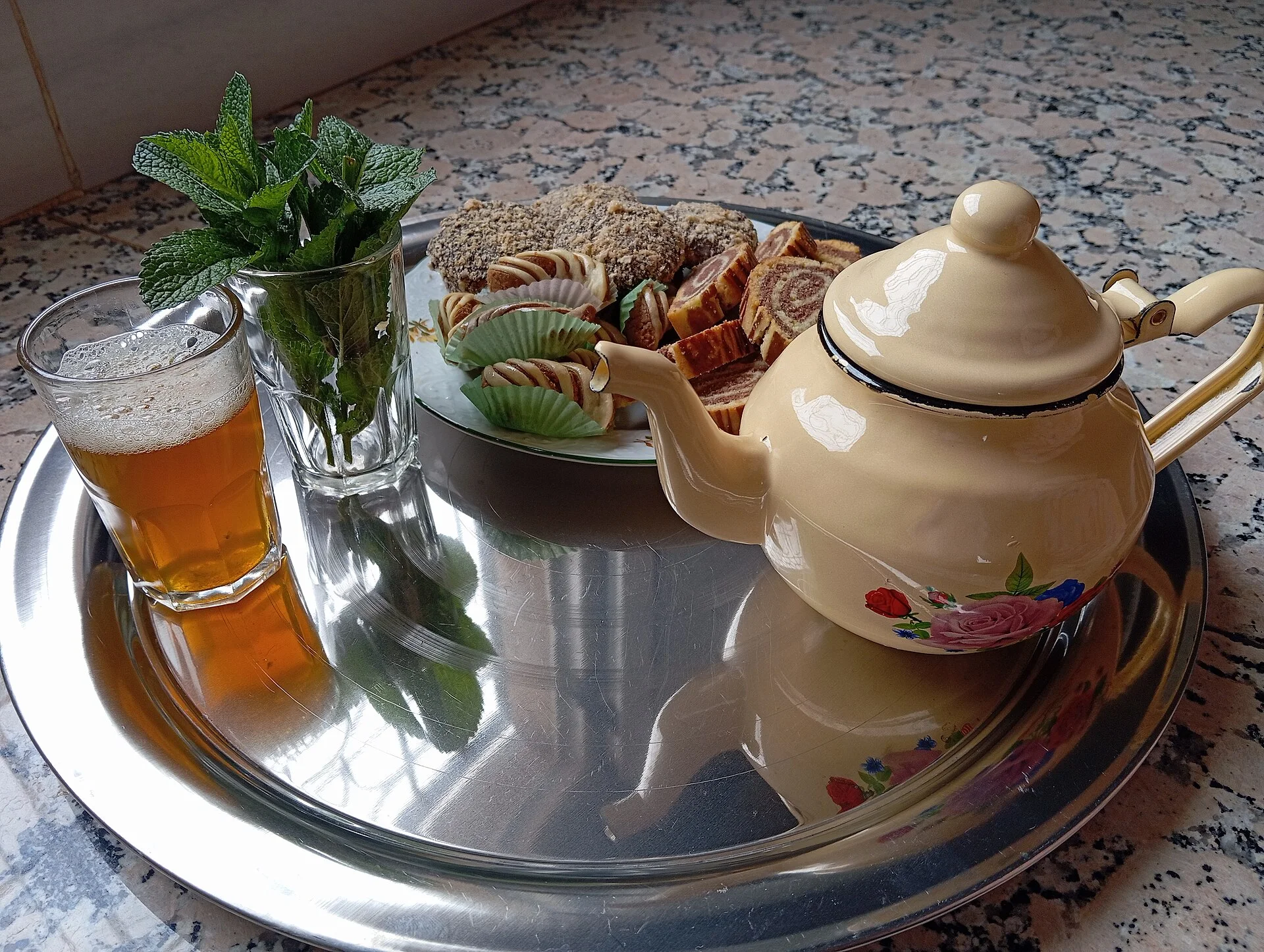
الأتاي
The tea ceremony
Atay is hospitality, a pause and a conversation in one glass. The host rinses the tea, adds mint and sugar, and pours from a height so the foam crowns the glass.
- 1
Rinse. A first splash of boiling water washes the gunpowder tea and is thrown away.
- 2
Steep. Fresh spearmint and sugar go in, and the pot sits on the flame.
- 3
Pour high. The tea is poured into glasses and back into the pot to mix, then poured high for the foam.
- 4
Three glasses. The saying goes: the first is gentle as life, the second strong as love, the third bitter as death.
You'll be offered tea in shops. Accepting doesn't oblige you to buy; a polite 'shukran' and a smile is enough.
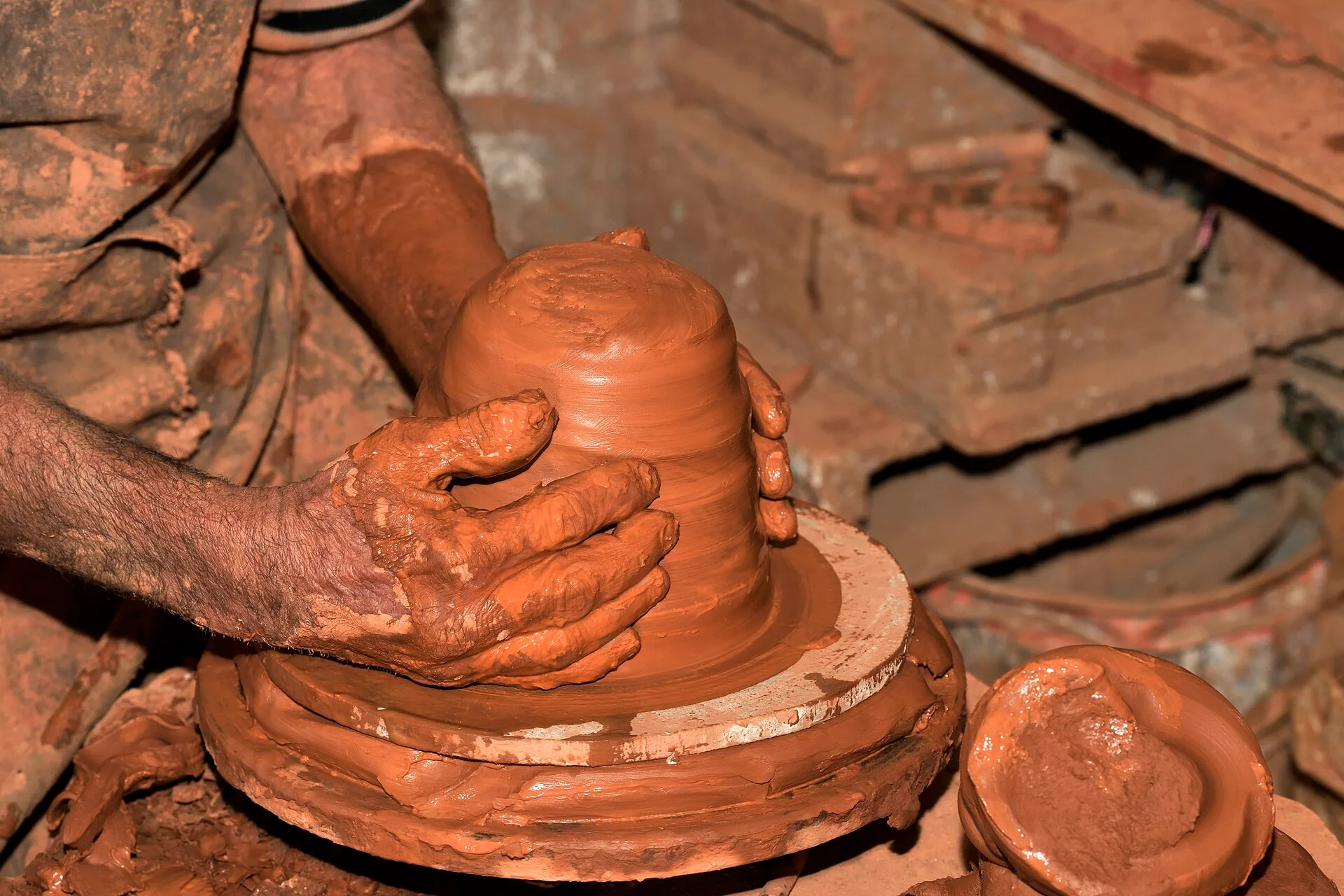
الصناعة التقليدية
Artisan workshops
Behind the souk stalls are the workshops: cedar carvers, brass beaters, weavers and leatherworkers, many in trades passed down for generations. Watching one work changes how you shop.
- 1
Find the trade. Each souk lane has its craft. Follow the sound of hammers to the metalworkers, or the colour of the dyers' skeins.
- 2
Ask first. Ask before photographing a person at work. Most will show you the process if you show interest.
- 3
Fixed prices. The government-run Ensemble Artisanal on Avenue Mohammed V sells at fixed prices: a useful benchmark before you haggle.
- 4
Buy from the maker. A piece bought at the bench usually costs less and leaves more with the person who made it.
A guide who steers you into a shop may earn a commission. Ask up front whether shopping stops are part of the day; ours are only on request.
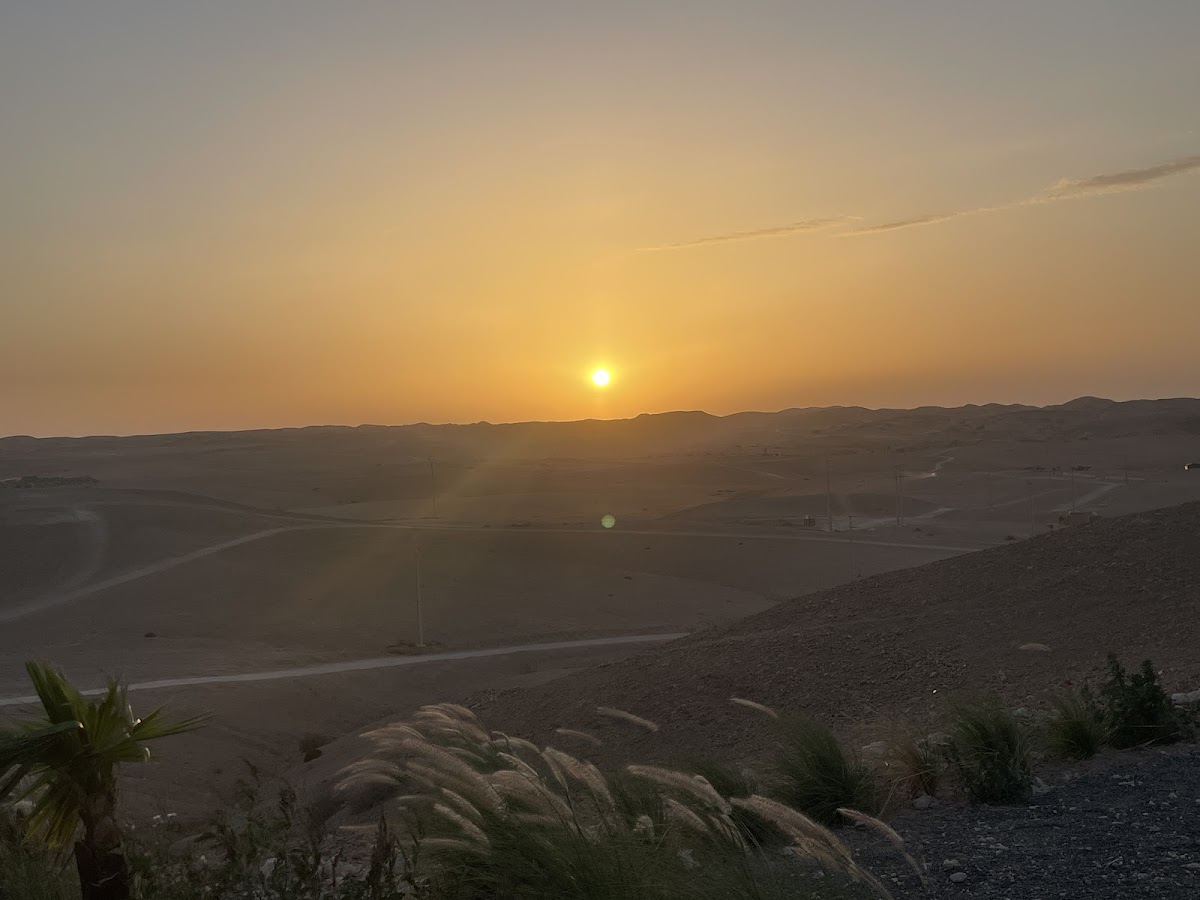
أكفاي
Sunset in the Agafay
About 45 minutes from the city, the Agafay is a stone desert of bare, folded hills, not dunes. At sunset the hills go copper, the Atlas turns pink, and the camps light their lanterns.
- 1
Leave mid-afternoon. The road south-west out of Marrakech climbs into the hills in about 45 minutes.
- 2
Golden hour. On foot, on a camel, or simply on a terrace, watching the light move across the hills.
- 3
Lanterns. The camps light up as the sky goes blue. Dinner is often under the stars.
- 4
The drive back. Back at your riad by late evening, or stay overnight in a camp.
It's a stone desert, and photos of golden dunes are from the Sahara, a full day's drive away. Nights are cold from November to March, so bring a layer.
Local experiences in Marrakech: FAQ
What should I wear to a hammam in Marrakech?
Swimwear or underwear bottoms. In a public hammam most locals wear underwear, and women often go topless in the women's section. Bring flip-flops, a towel and a change of clothes. Spa hammams provide a robe, slippers and disposable underwear.
Is a public hammam or a spa hammam better for first-timers?
A spa hammam is easier the first time: it's private, explained in English and gentler. A public neighbourhood hammam is the real local ritual and costs about MAD 10–20 to enter plus about MAD 50–150 for a scrub, but it helps to go with someone who knows the routine.
How long is a cooking class in Marrakech?
Most classes run about three to four hours: a market visit, cooking two or three dishes with bread and salads, and eating what you made. Book ahead in high season; the well-known classes fill fast.
Is the Agafay desert real desert?
Yes, but it's a stone desert of bare hills, not sand dunes. It's about 45 minutes from Marrakech, so it's ideal for a sunset and dinner. The golden dunes in most desert photos are the Sahara, at Merzouga or Zagora, a long day's drive away.
Do I have to buy something if I visit an artisan workshop?
No. Watching is welcome, and accepting tea doesn't oblige you to buy. Ask before photographing people at work. If a guide takes you to a shop, ask whether they earn a commission there.
Want a hammam, cooking class or Agafay sunset in your plan?
A riad hammam booked for your arrival evening, a cooking class with a family, the Agafay with a private driver. Tell us your dates and we'll plan around them, quoted in writing.