The short answer
Barely. The medina lanes are narrow, uneven, often stepped and busy with mopeds and handcarts, so a stroller or pram is close to useless there. A soft carrier is the practical way to explore the souks: front carry for a baby, back carry or a hip-seat carrier for a toddler. Leave the stroller at the riad.
In more detail
The density that makes the medina so absorbing is exactly what defeats wheels. The lanes are narrow and uneven, and steps appear without warning. Mopeds and handcarts squeeze through the same space, and you will spend more time lifting the stroller than pushing it.
A soft-structured carrier or sling solves almost all of it. A baby rides on the front; a toddler is better on your back or in a carrier with a hip seat, which stretches your range for a heavier child. It also keeps small hands close in the crowds of the souks and Jemaa el-Fnaa.
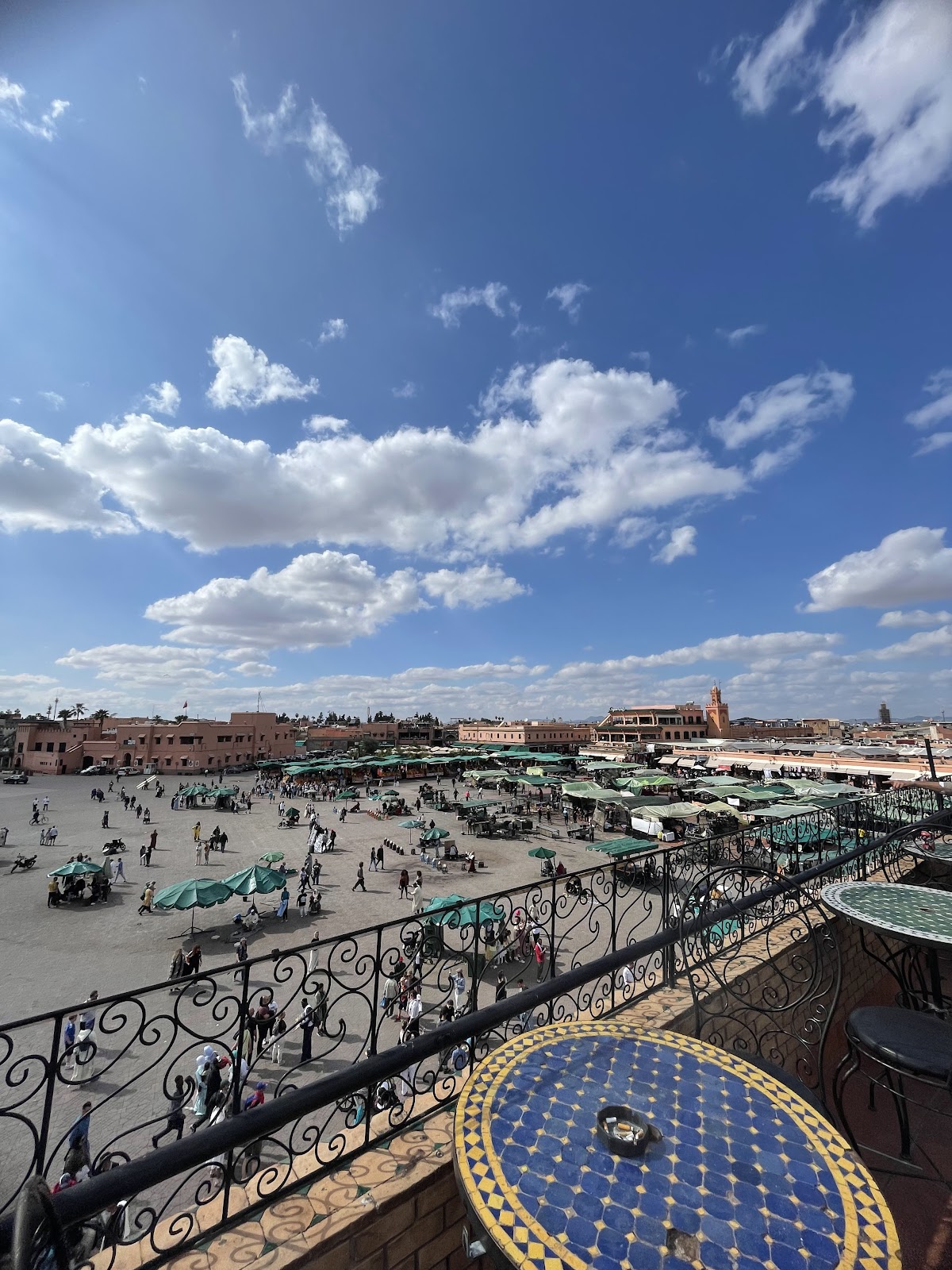
A stroller is still useful outside the old walls. Gueliz and Hivernage are laid out along wide avenues, and the Menara Gardens have plenty of open space. The square at Jemaa el-Fnaa has been repaved with natural stone in its 2026 renovation, which helps, but the souks behind it are another matter.
Remember that cars cannot reach most riad doors. Your guide or driver will meet you at the nearest gate, and riads often send a porter with a cart for luggage. A light, folding stroller is far easier for that last stretch than a heavy pram.