The short answer
Moroccans break the fast at sunset with dates and milk or water, then harira soup, chebakia, boiled eggs, msemen, baghrir and sellou. The meal is called ftour. Harira is the first spoonful in almost every home in Marrakech, and chebakia, honey-soaked sesame flowers, are part of the meal rather than dessert.
In more detail
Ftour is a table of small things rather than one big plate. A date comes first, because that is how the fast is broken. Then harira, the tomato, lentil and chickpea soup thickened with flour, eaten with a wooden spoon. Around it go boiled eggs, msemen and baghrir with honey and butter, and plates of sweets.
Chebakia are strips of dough folded into a flower, fried, soaked in honey and rolled in sesame. Families fold hundreds in the weeks before Ramadan, and pastry shops pile them in pyramids. Sellou, also called sfouf, is a dark mound of toasted flour, sesame and almonds, never baked, eaten by the spoonful for energy at ftour or at suhoor, the meal before dawn.
If you are invited to join, eat a date first, accept the harira and take a chebakia when it is offered with it. It is part of the meal, not a dessert to refuse.
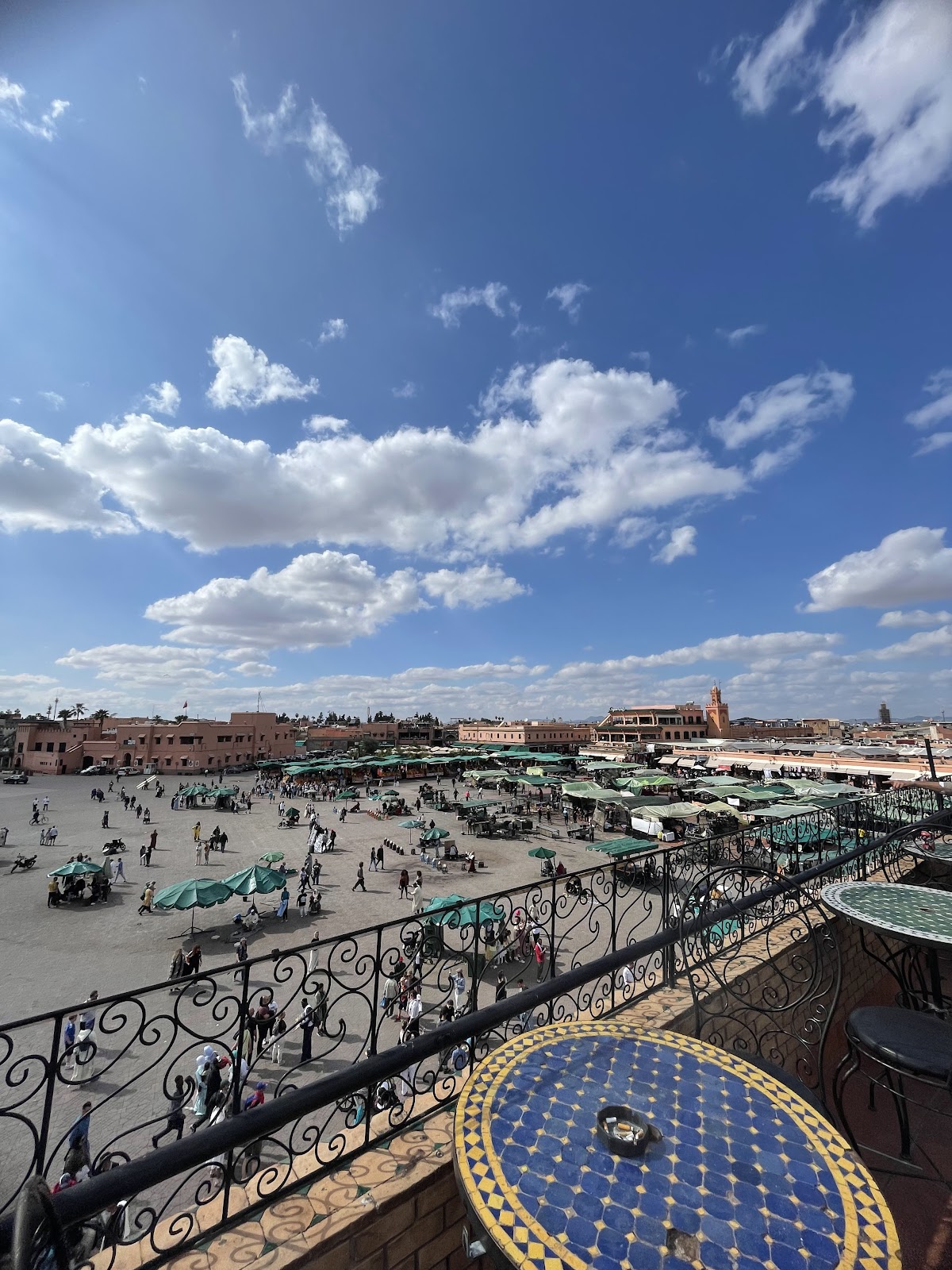
You can taste the same food as a visitor. The harira stalls in Jemaa el-Fnaa serve it every evening, and pastry shops sell chebakia and sellou, most of all around Ramadan. Ramadan in 2027 is expected to begin about 8 February.