No. 03, The districts · 04 of 11
Bab Doukkala: the medina's working neighbourhood at breakfast
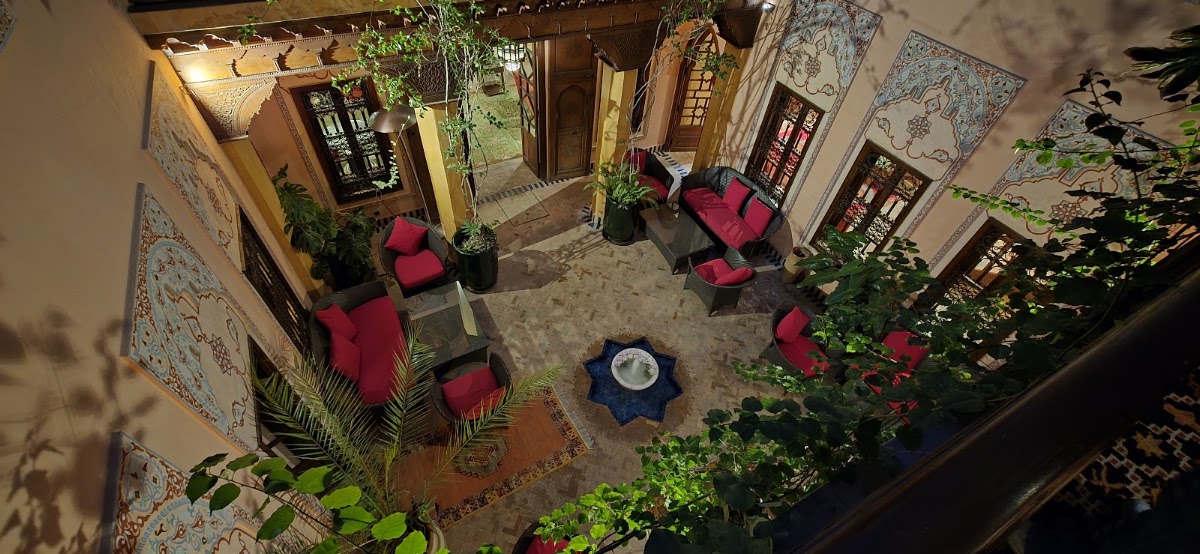
Bab Doukkala is a working quarter on the northwest side of the Marrakech medina, named for its gate. It has few tourists and is at its best from about 07:00, when breakfast counters fry msemen and baghrir and families send bread to the oven. Its great mosque was founded by a woman, Lalla Mas'uda, in about 1558.
Best time07:00
Bab Doukkala at a glance
- Best time
- Early morning, from about 07:00, for the breakfast counters.
- What it feels like
- A working neighbourhood with almost no tourists: grocers, butchers, schoolchildren and the morning bread run.
- Eat here
- Msemen and baghrir at the dawn counters; harira at lunch.
- See
- The Bab Doukkala gate
- The Bab Doukkala mosque (Saadian, begun about 1558)
- The local food market
Breakfast at the counters
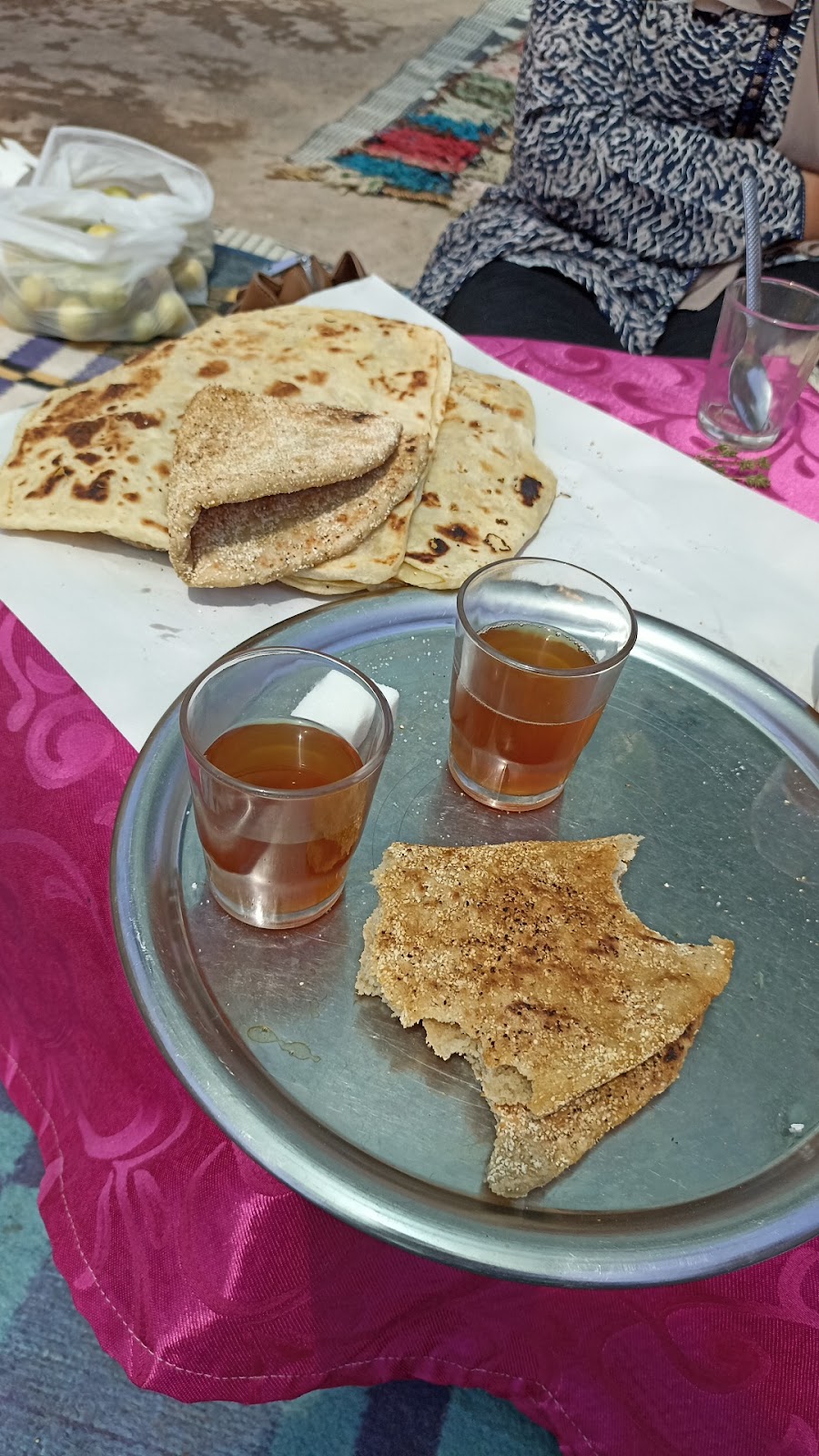
From about 06:00 to midday, breakfast counters near Bab Doukkala fry msemen, a layered square flatbread, and baghrir, a semolina pancake full of tiny holes. Each is MAD 5–10 with honey, paid at the counter.
The bread run
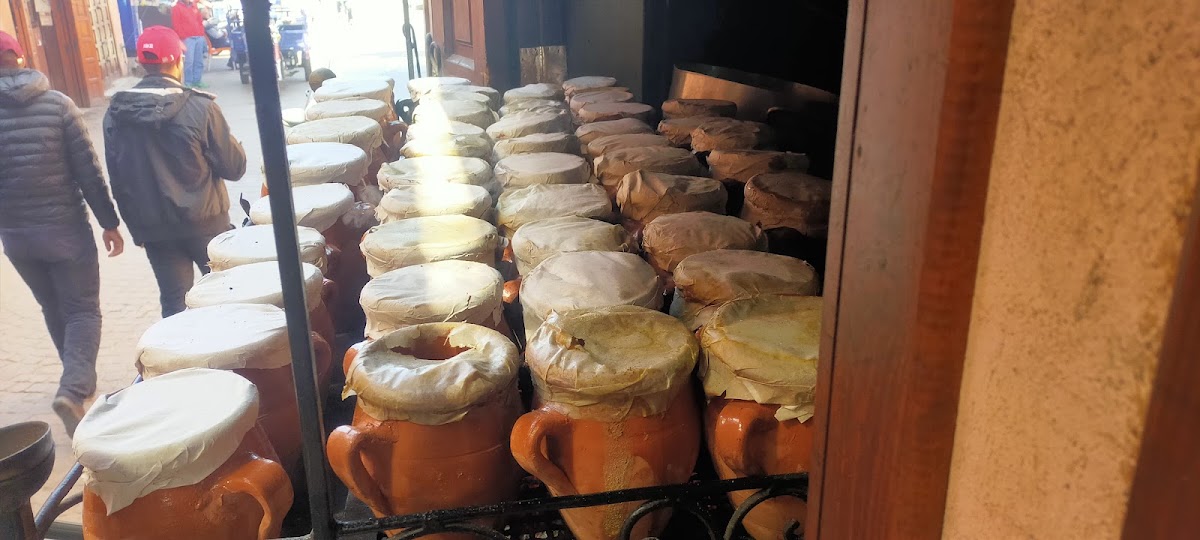
Most old-medina houses have no oven. Each morning, trays of shaped dough go to the neighbourhood ferran, where the baker slides them onto hot bricks and hands them back hours later, knowing each family's loaves by their marks and cloth.
A mosque founded by a woman
The Bab Doukkala mosque was founded by Lalla Mas'uda, wife of the Saadian founder Muhammad al-Sheikh and mother of the sultan Ahmad al-Mansur. It was begun in about 1558, and it is also called Jami' al-Hurra, the Mosque of the Free Woman. Non-Muslims admire it from outside.
Derb life
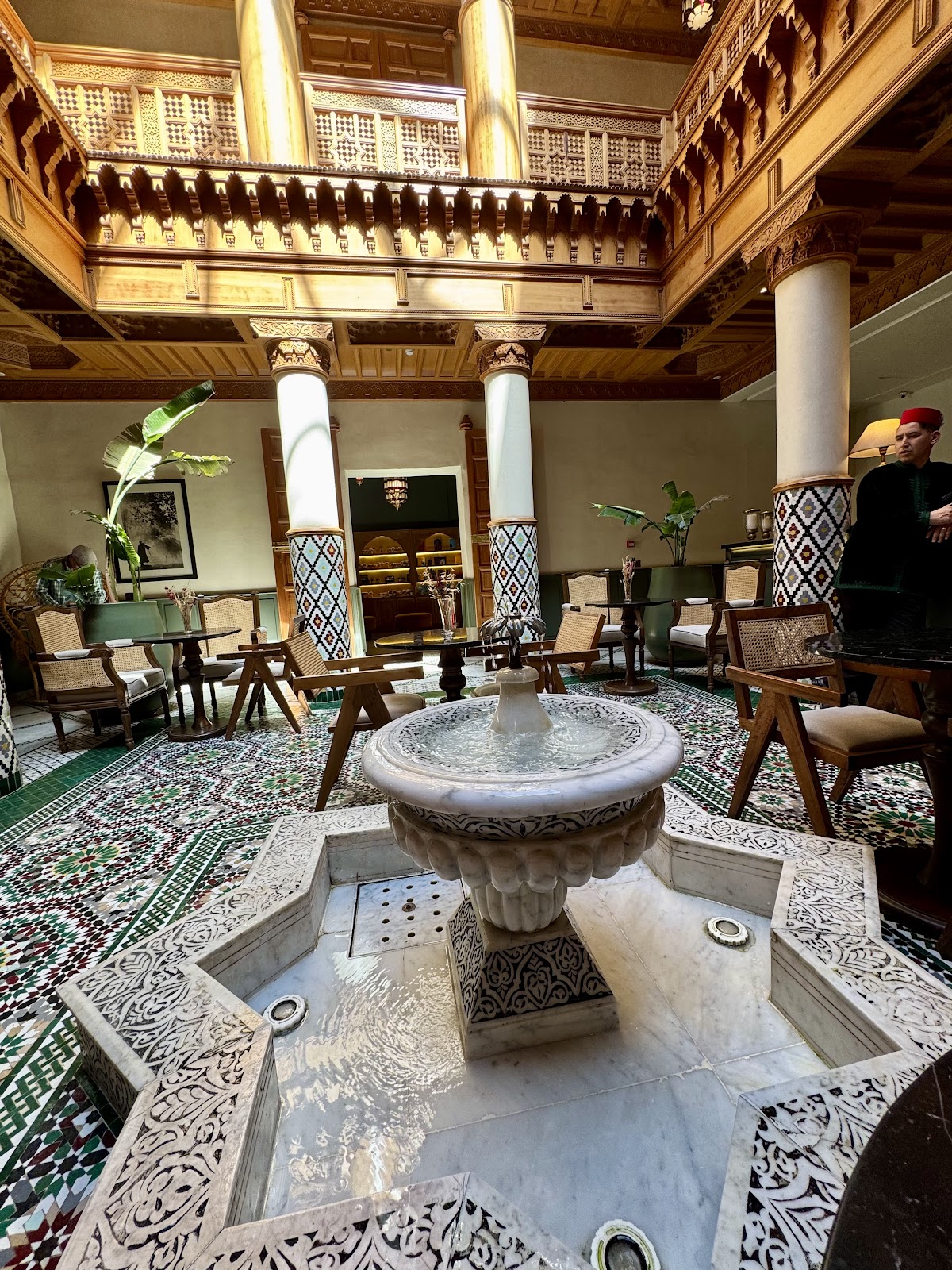
A derb is a lane, often a dead end, and the community living along it. Doors are plain outside and life happens round inner courtyards. Greet with 'salam' and neighbours will greet you back.
Don't miss
- The Bab Doukkala gate
- The Bab Doukkala mosque (Saadian, begun about 1558)
- The local food market
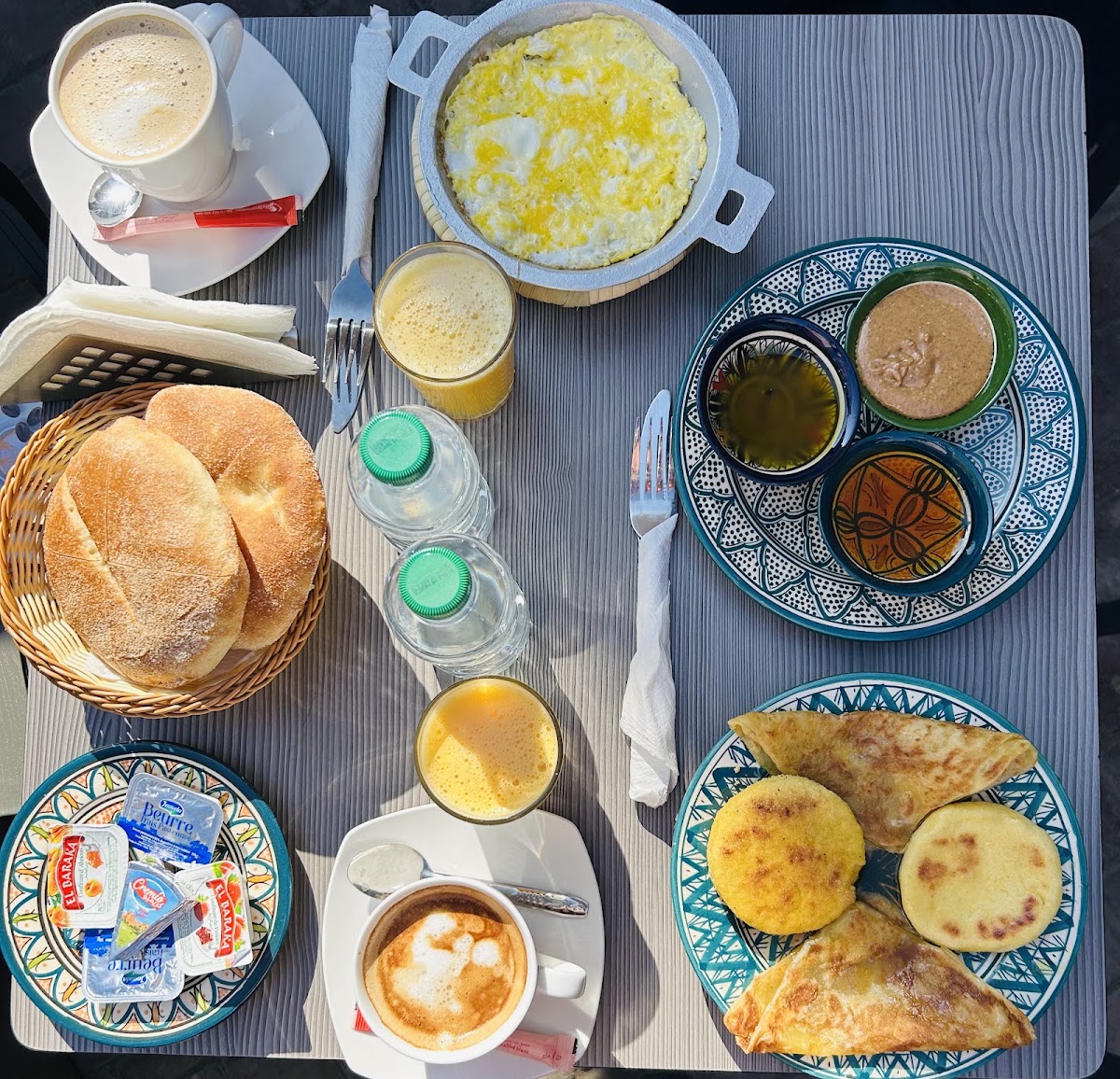 Breakfast at a café by Bab Agnaou
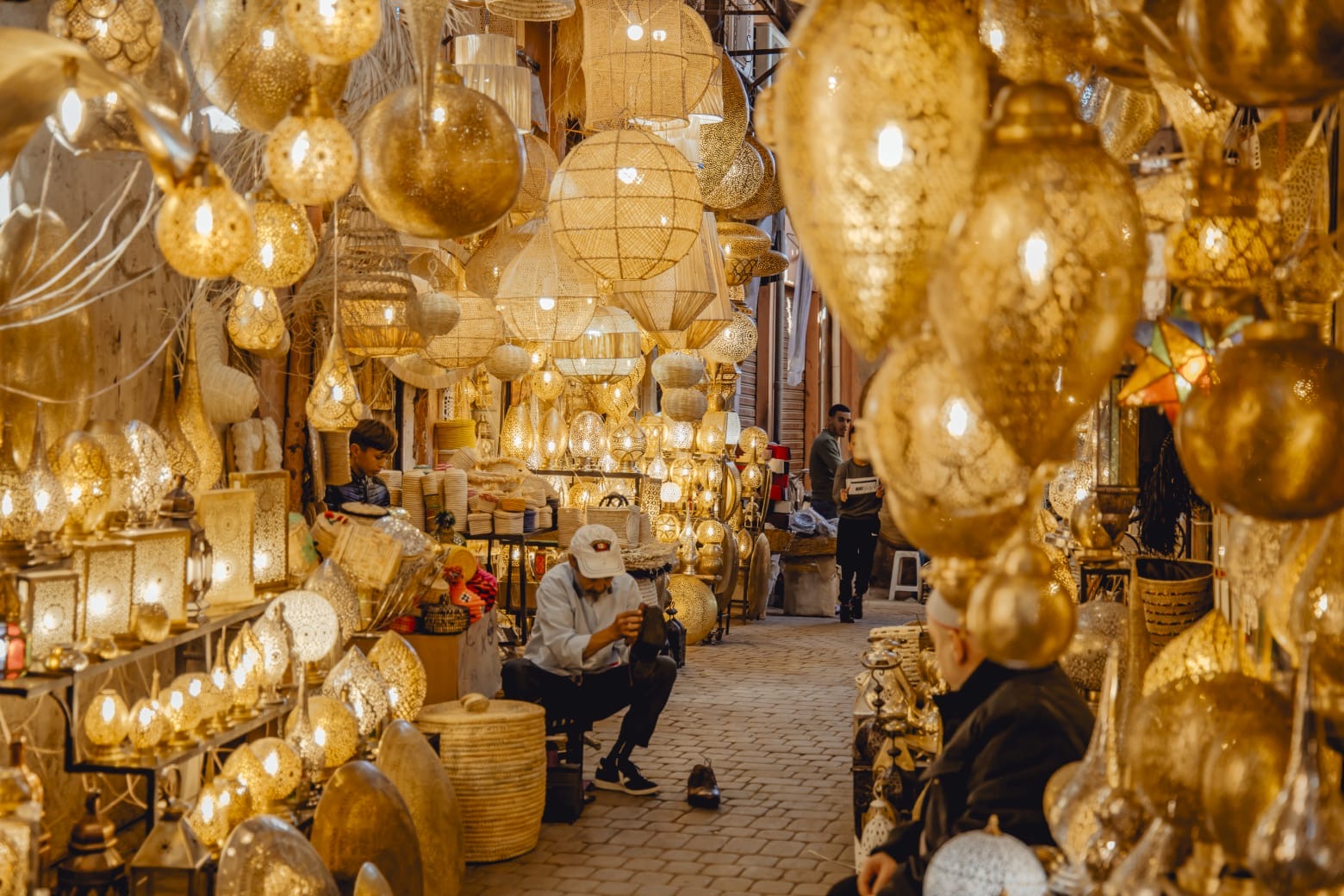 A lantern seller in the souk
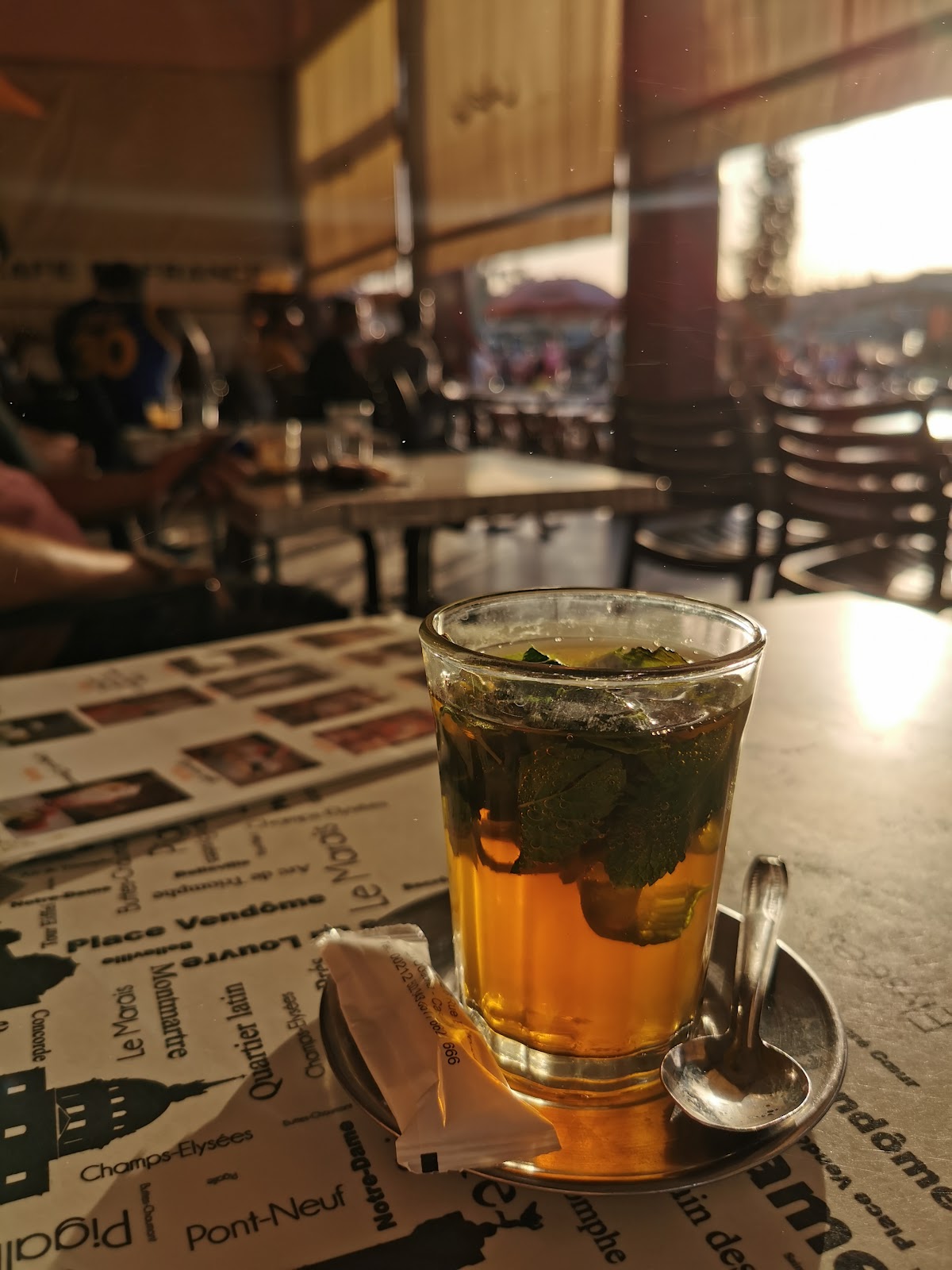 Mint tea at a café on Jemaa el-Fnaa
Worth knowing before you go
- This is a residential area, not a showpiece. Dress modestly, and ask before photographing anyone, especially at the ferran.
- Non-Muslims do not enter working mosques in Marrakech.
See Bab Doukkala with someone who lives here
Tell us your dates and group size. A planner writes back within 24 hours with a plan and a fixed written quote. Asking costs nothing.
Questions people ask
Where can I eat a local breakfast in Marrakech?
At the breakfast counters near Bab Doukkala, from about 06:00 to midday: msemen or baghrir with honey, MAD 5–10 each paid at the counter, and mint tea.
Who built the Bab Doukkala mosque?
Lalla Mas'uda, mother of the Saadian sultan Ahmad al-Mansur, in about 1558. It is also known as the Mosque of the Free Woman.
Can I watch the communal bread oven?
Yes, if you ask the baker first. Mornings are busiest, as families bring their trays.