No. 03, The districts · 01 of 11
Jemaa el-Fnaa: Marrakech's main square, hour by hour
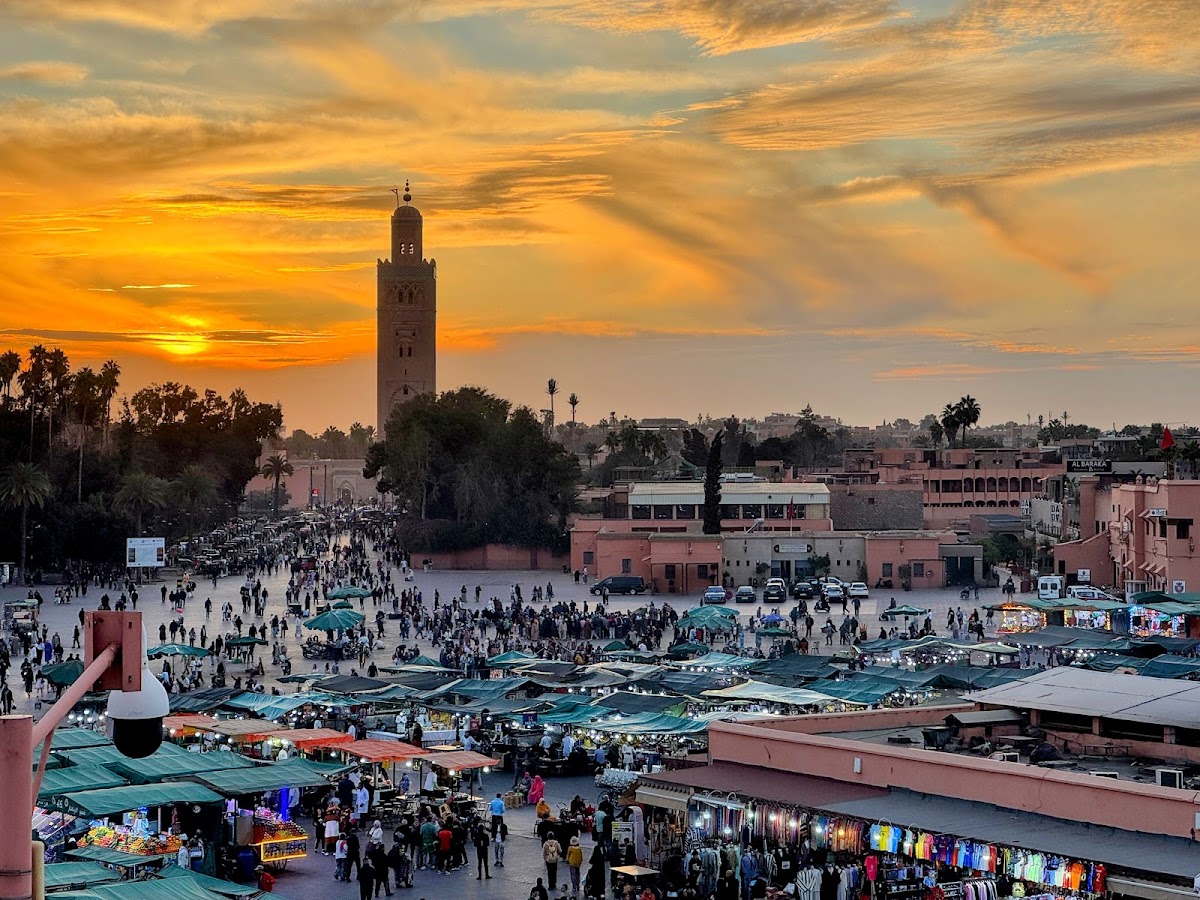
Jemaa el-Fnaa is the open square at the heart of the Marrakech medina. Juice carts work it from morning; from about 16:00 the food stalls are set up and storytellers, Gnawa musicians and acrobats draw circles of listeners until about midnight. In 2026 it is being renovated in sections, and it stays in use.
Best timeLate afternoon into dusk
The square at night, hour by hourHistory and visiting
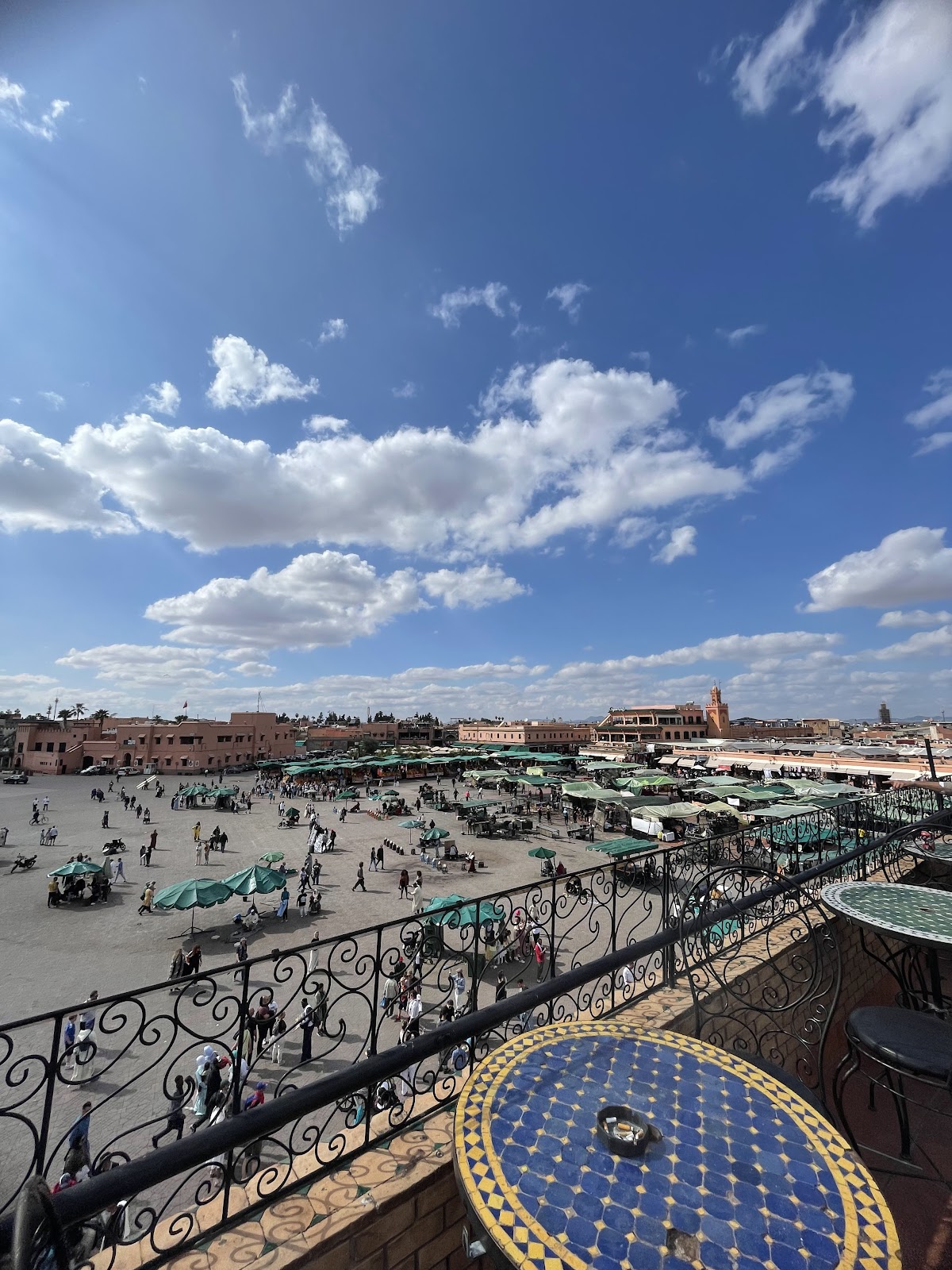
Jemaa el-Fnaa at a glance
- Best time
- Late afternoon into dusk, when the food stalls go up and the circles of performers form; again after 21:00.
- What it feels like
- Juice carts from morning; from about 16:00, grills, Gnawa drums, storytellers' circles and families out walking.
- Eat here
- The night-market stalls, snail soup, harira, orange juice; Mechoui Alley at the northeast corner by midday.
- See
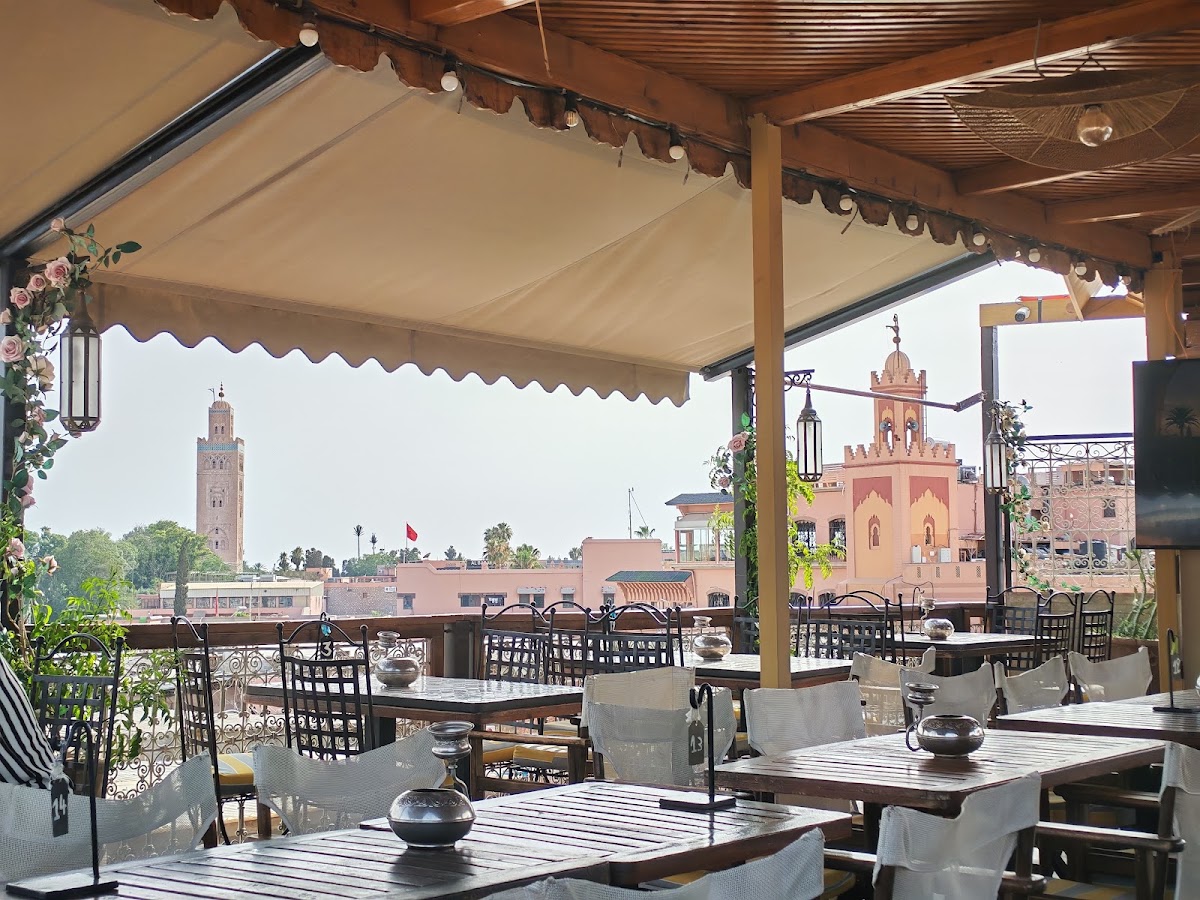
- The Koutoubia minaret, about 77 m with its spire, watching over the square
- Halqa circles round storytellers, Gnawa and acrobats
- The numbered orange-juice carts
- Changing now
- Being renovated in sections in 2026 (final phase as of June): new stone paving, the Arsat El Bilk garden, a calèche station, a tourist kiosk and accessible toilets. Work goes sector by sector so the square stays in use. New juice and food carts arrived in spring 2026, and the restaurant stands are being replaced, so the stall layout is changing.
Morning to night
Orange-juice carts line the square from morning; about MAD 5 a glass, paid at the cart. From about 16:00, handcarts bring in poles, benches and grills, and the numbered food stalls go up. At sunset the call to prayer sounds over the drums. The stalls serve until about midnight and are packed away before morning.
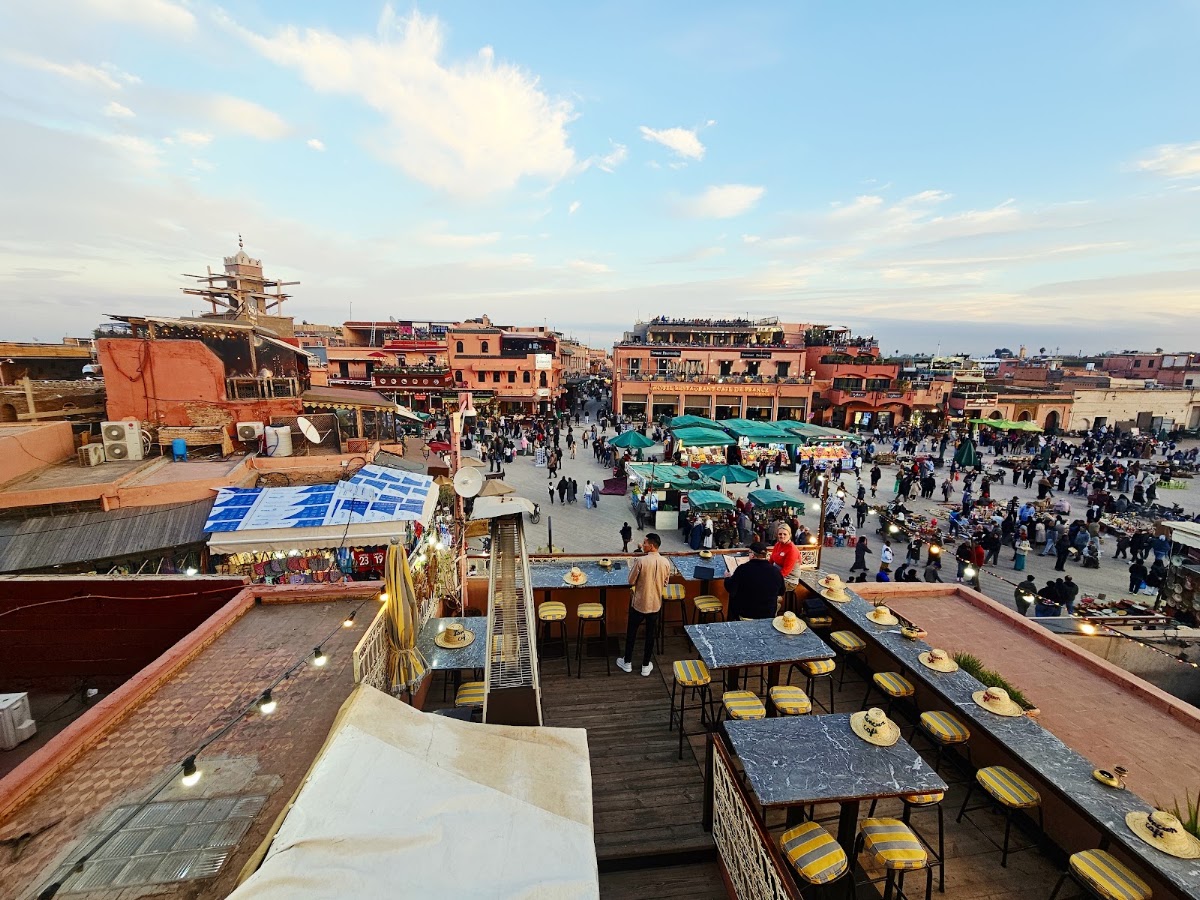
The halqa: circles round the performers
A halqa is the circle a crowd forms round a storyteller, musician or acrobat. Storytelling in Darija is the oldest act in the square. UNESCO proclaimed the square a Masterpiece of the Oral and Intangible Heritage of Humanity in 2001, after the writer Juan Goytisolo campaigned against a plan to build next to it.
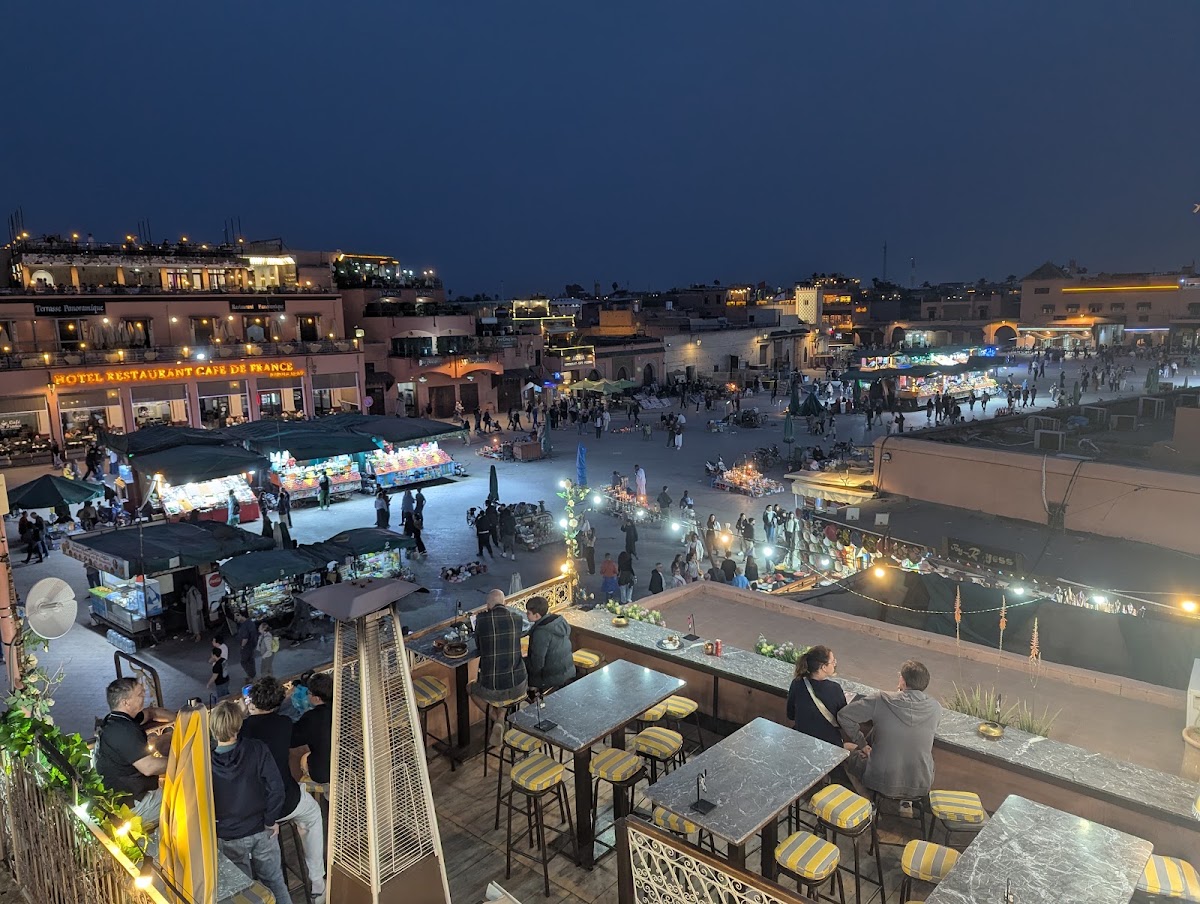
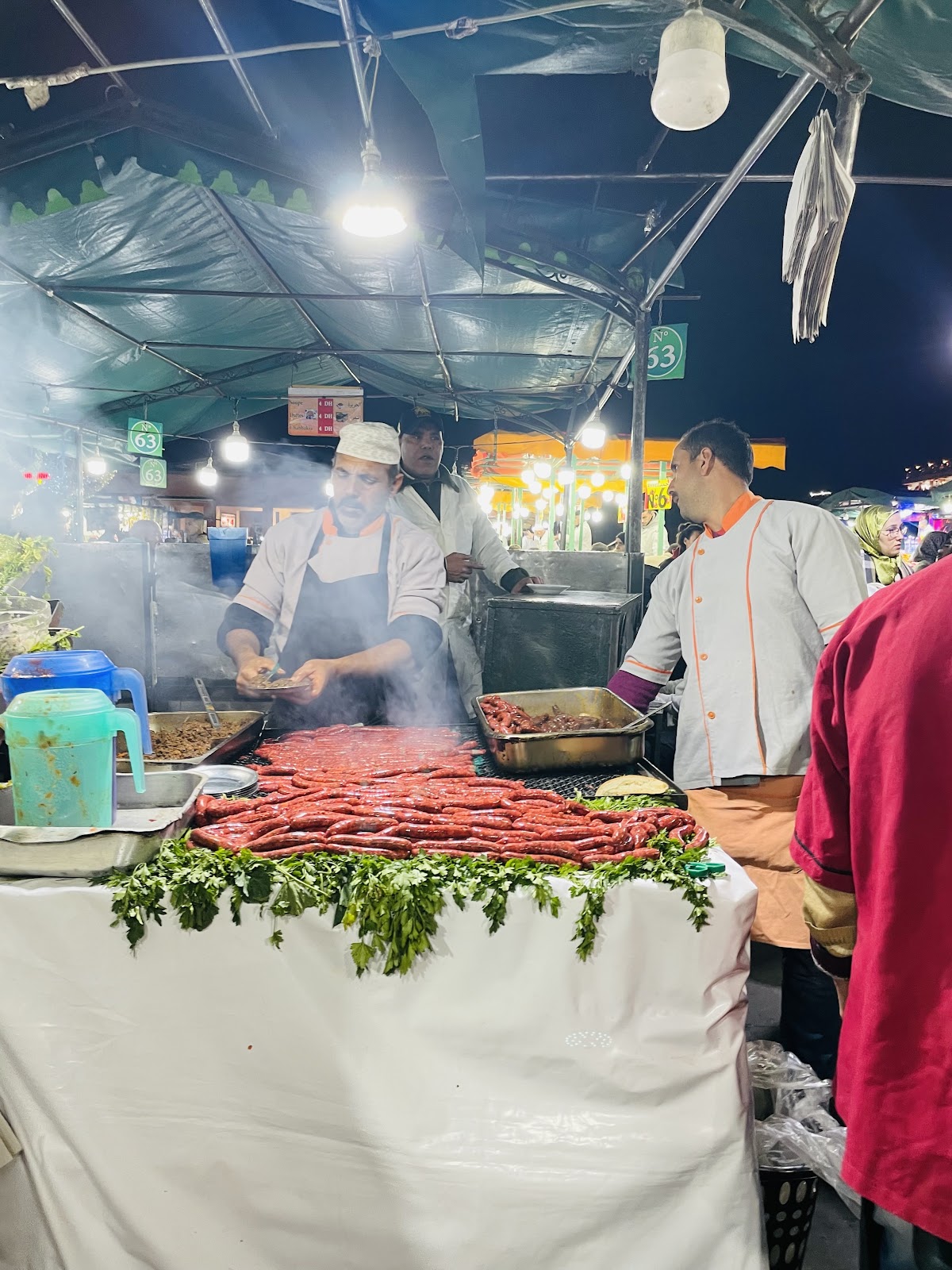
What to eat here
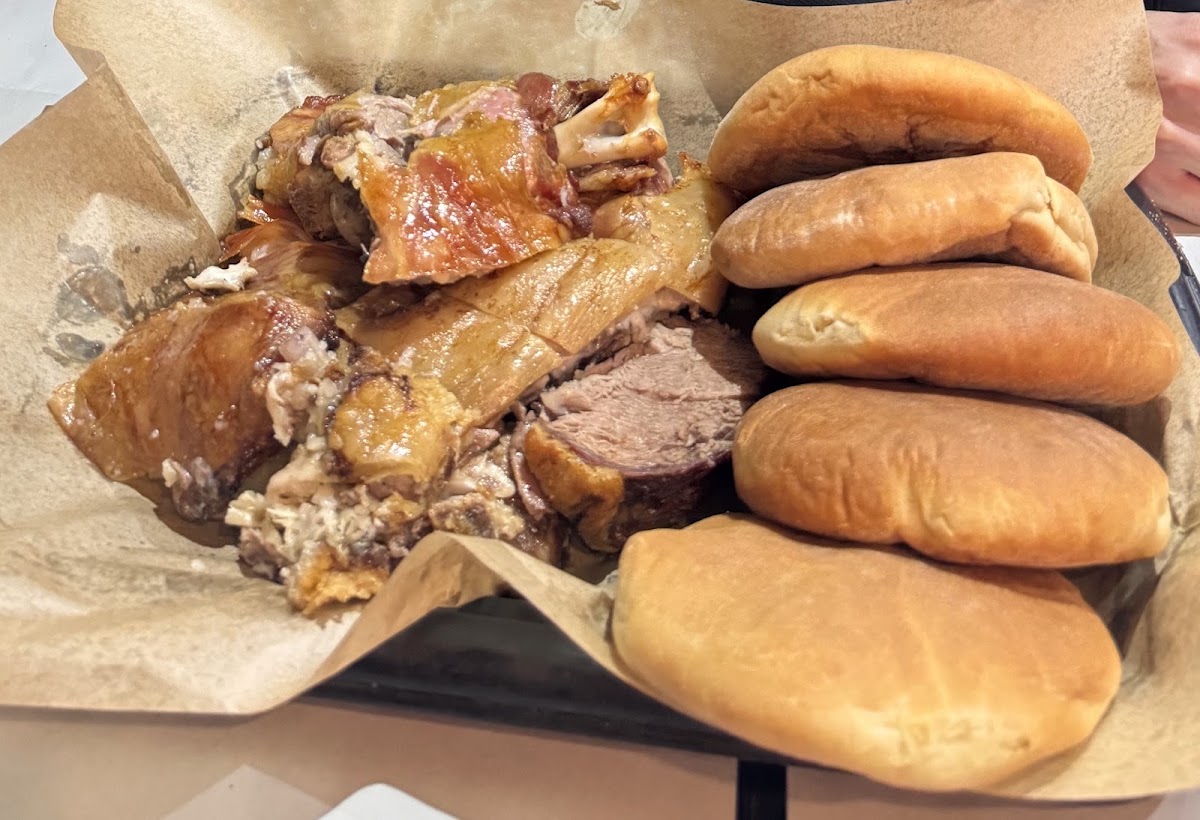
Paid at the stall: harira, the tomato, lentil and chickpea soup, MAD 10–15 a bowl. Snail soup in a broth of aniseed, thyme and liquorice root, MAD 10–20. A full meal at the grill stalls, MAD 40–100. At midday, Mechoui Alley at the northeast corner sells slow-roasted lamb by weight until it runs out, usually by about 14:00.
The 2026 renovation
Al Omrane Marrakech-Safi is redoing the square in sections: natural-stone paving, the Arsat El Bilk garden, a calèche station, a tourist kiosk and accessible toilets. By June 2026 the works were in their final phase. Work goes sector by sector so the square stays in use. New food and juice carts arrived in spring 2026, and in September 2026 Al Omrane put out a tender to replace the restaurant stands, so the stall layout is changing.
Who you will meet
Gnawa musicians play the guembri, a three-string bass lute, and iron castanets called qraqeb. Water sellers (guerrab) in red with tasselled hats and brass cups now earn mostly by posing for photos. Henna artists work at stools and in cafés.
Don't miss
- The Koutoubia minaret, about 77 m with its spire, watching over the square
- Halqa circles round storytellers, Gnawa and acrobats
- The numbered orange-juice carts
 A terrace with the Koutoubia in view
 Mechoui Alley
 Mint tea at a café on Jemaa el-Fnaa
Worth knowing before you go
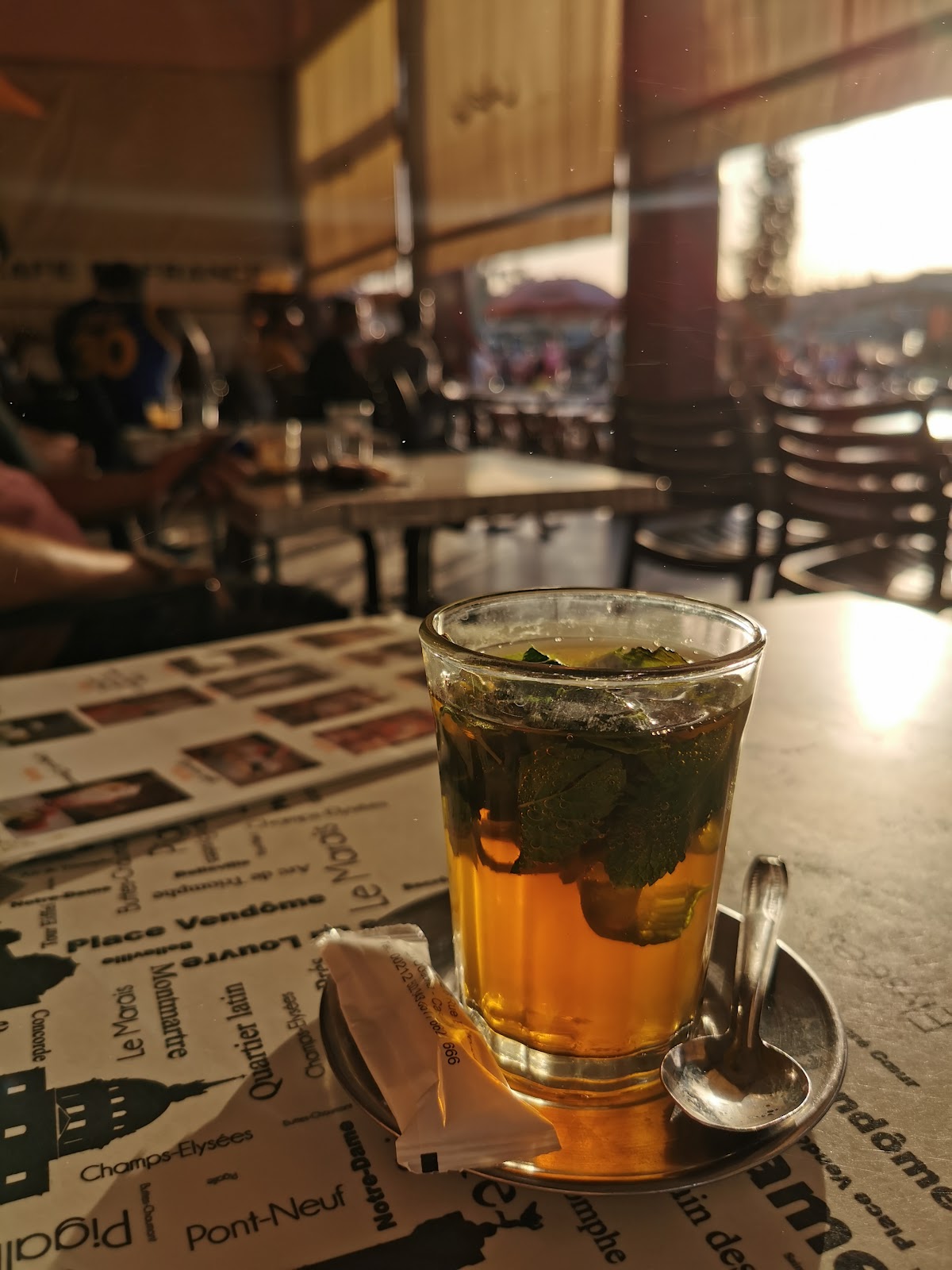
- Henna: some women start drawing before you agree, then ask a large sum. Keep moving, and choose a café with posted prices (from about MAD 50) if you want henna.
- Snake and macaque photos: a handler may put an animal on you and demand payment. Keep your distance. The Barbary macaque is endangered.
- Pickpockets work the crowds; keep your phone in a front pocket. Tourist police patrol the square.
See Jemaa el-Fnaa with someone who lives here
Tell us your dates and group size. A planner writes back within 24 hours with a plan and a fixed written quote. Asking costs nothing.
Questions people ask
When is Jemaa el-Fnaa busiest?
From late afternoon, when the stalls go up at about 16:00, through sunset and into the evening. After about 21:00 it fills again with families out walking.
Is the square closed for the renovation?
No. The 2026 works are done sector by sector so activity continues, but parts may be fenced off and the layout may change.
Do I have to pay to photograph performers?
Yes, performers, Gnawa and water sellers expect a few dirhams for a photo. Agree before you lift the camera.
How do I avoid overpaying at the food stalls?
Ask the price of everything before you sit, say no to bread or olives you didn't order, and check the bill against the board.