The short answer
Yes, in the sense that matters most: violent crime against women tourists is rare, and many women travel Marrakech alone every year. The honest catch is attention. Comments, men attaching themselves as 'guides' and pushy shopkeepers are common in the souks, and it is tiring. It is rarely threatening, and simple habits reduce it a lot.
In more detail
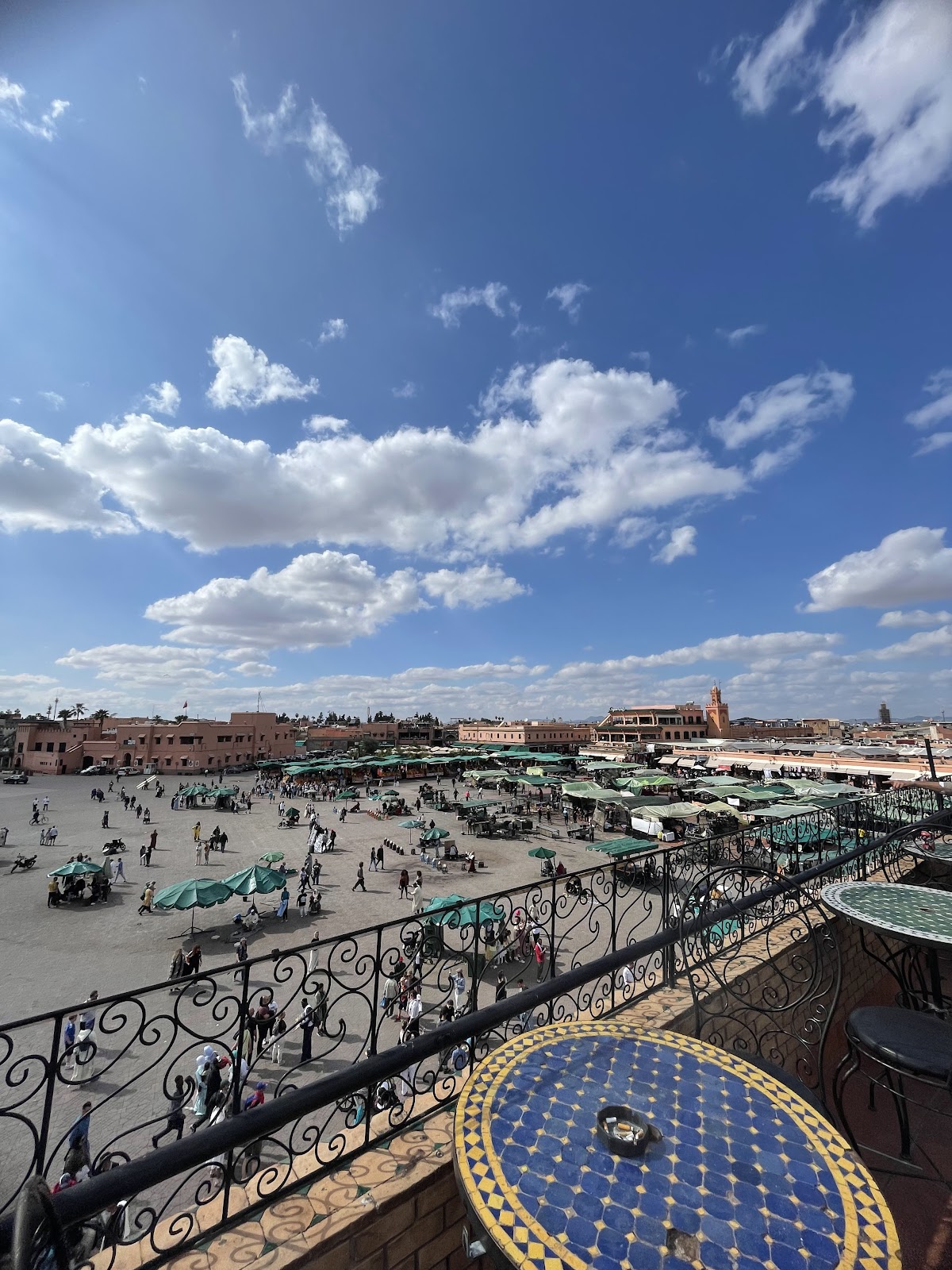
The attention is concentrated in the souks north of Jemaa el-Fna. It is harassment, and it is wearing, but the great majority of Marrakchis are warm and respectful. Gueliz, Hivernage and the medina are safe in terms of violent crime. The aim is to manage expectations, not to avoid the city.
Confidence does most of the work. Walk as if you know where you are going, even when you are lost. Meet eye contact briefly and move on. Say 'la shukran' once, calmly, and keep walking. A long reply, friendly or sharp, tends to keep the conversation going.
Covering shoulders and knees in the medina and in Atlas villages is respectful and noticeably reduces unwanted attention. You do not need to cover your hair, and a light scarf is the most useful thing you can pack. Poolside riads, Agafay camps and Essaouira are more relaxed.
Pre-booked transport removes the airport scrum, the taxi haggling and the false-guide approaches at the souk entrances. Licensed female guides work in Marrakech, and a woman guide can take you into spaces a male guide sometimes cannot, such as a henna workshop or the women's side of a neighbourhood hammam. Ask for one when you book.
Good to know
- After dark, use an arranged car rather than walking unlit residential lanes.
- Choose a riad with staff on the door around the clock.
- First-class train carriages have reserved seats and are easy for women travelling alone.
- Saying you are heading to your riad, or that a guide is waiting, ends most conversations.