The short answer
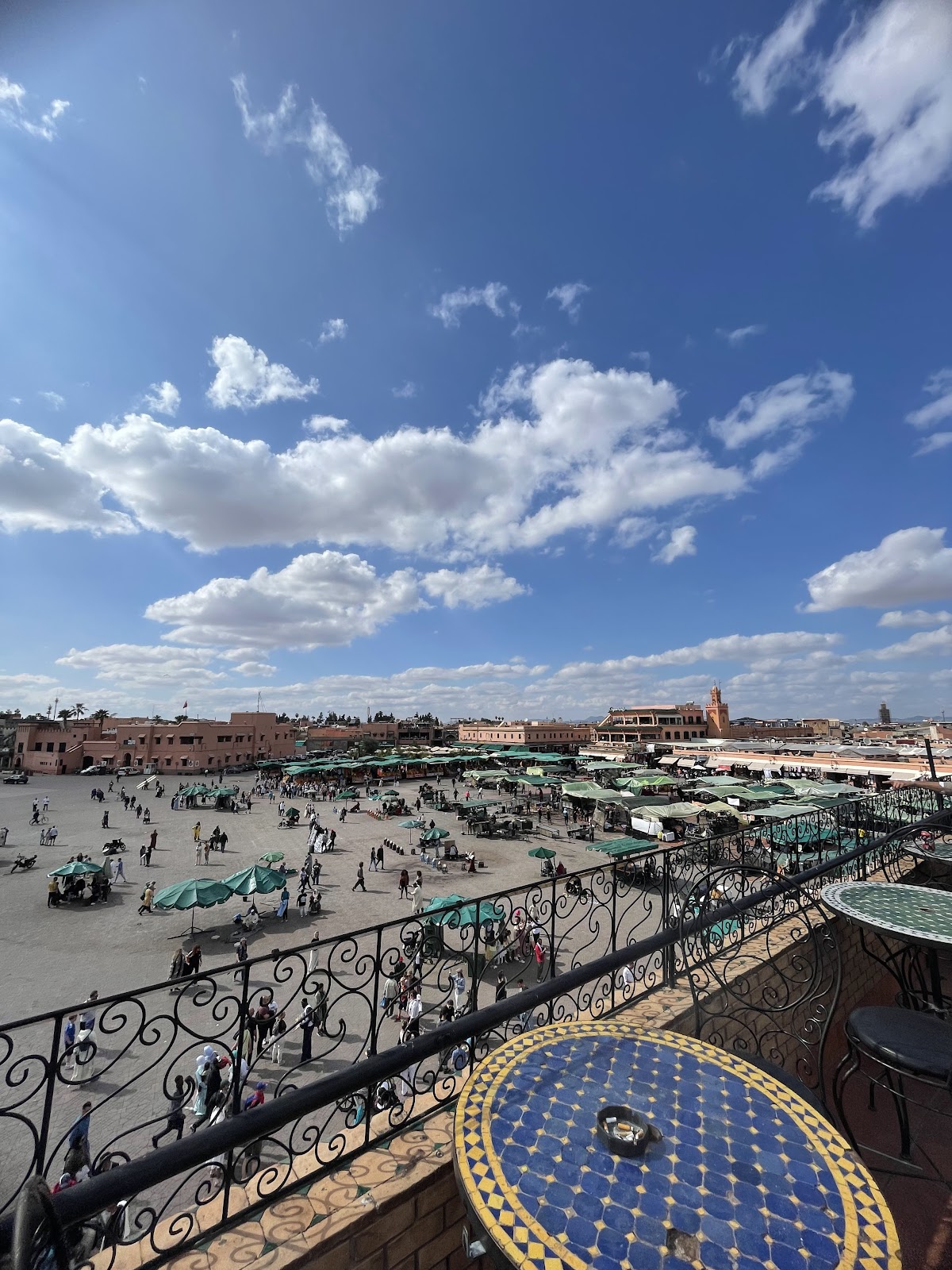
Harira is Morocco's tomato, lentil and chickpea soup, thickened with flour, flavoured with herbs and sometimes a little meat. It is eaten with dates and bread, from a bowl with a wooden spoon. In Ramadan it is the first spoonful after the fast in almost every Marrakech home, and the harira stalls of Jemaa el-Fnaa serve it every evening.
In more detail
The base is simple: tomatoes, lentils and chickpeas, simmered with fresh herbs and thickened with a little flour until the soup is smooth and filling. Some cooks add a little meat. The result is a thick, warming bowl, closer to a meal than a starter, and it is served with a date and a piece of bread on the side.
Harira belongs to Ramadan more than to any other dish. At sunset, the fast is broken with a date and then a bowl of harira, beside chebakia, the honey-soaked sesame pastry, boiled eggs and msemen. The meal is called ftour, and harira is on the table in almost every home in the city.
You do not need to wait for Ramadan to taste it. Soup counters in the residential lanes sell it, some people eat it in the morning, and the harira stalls in Jemaa el-Fnaa ladle it out every evening as the night market goes up. Our evening food tour includes a bowl among its savoury stops.
For vegetarians, ask first: harira is often meat-free, but not always. It is not gluten-free, since flour is what thickens it.